
Lieferung heute & morgen

Qualitätsgarantie
App herunterladen
Kategorien
An oven-safe glass food container is a multifunctional solution for the modern kitchen. It combines the functionality of a glass casserole dish with a lid with that of a classic glass storage container. The key to this versatility is its material: borosilicate glass. Unlike conventional soda-lime glass, it offers higher chemical resistance and significantly better tolerance to temperature fluctuations. This allows for its use in the oven, microwave, refrigerator, and freezer. Another key feature is the lid, which typically includes a silicone seal to create an airtight closure, preserving the freshness of your food.
The decision for the right glass container with a lid should be based on objective technical criteria. The following parameters are crucial for the product's functionality and durability.
The primary characteristic of an oven-safe glass container is its heat resistance. Borosilicate glass containers are engineered for this purpose. Their low thermal expansion minimises the risk of material stress and cracking at high temperatures, such as those in an oven. Pay close attention to the manufacturer's specifications for the maximum oven temperature. An important usage note is to avoid thermal shock—meaning you should not place the container directly from the freezer into a preheated oven.
An effective seal is essential for keeping food fresh. Systems with four-sided locking clips and a full silicone gasket provide a superior seal. This not only prevents liquids from leaking during transport but also protects the contents from air and moisture, extending the shelf life of your food. The gasket should be removable for easy cleaning.
The choice of capacity and shape depends directly on your intended use.
Suitability for the microwave, freezer, and dishwasher significantly enhances practical usability. While the glass body is typically microwave-safe and dishwasher-safe, the plastic lid often has different care instructions. Most lids are not designed for use in the oven or under a grill.
Based on the technical criteria above, we present a selection of containers that stand out for their material properties and functional design.
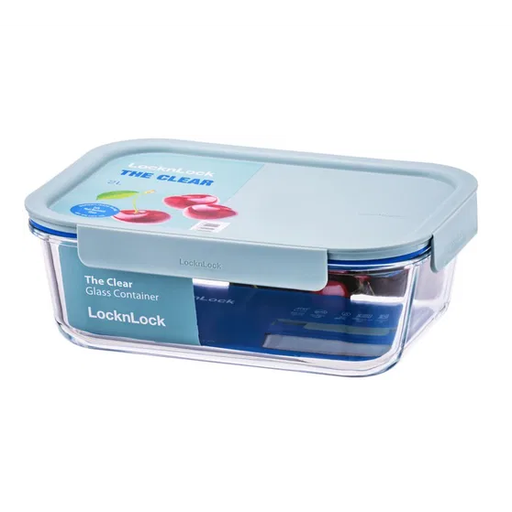
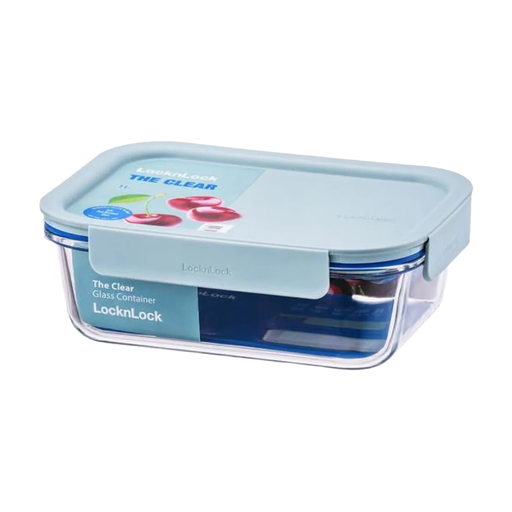
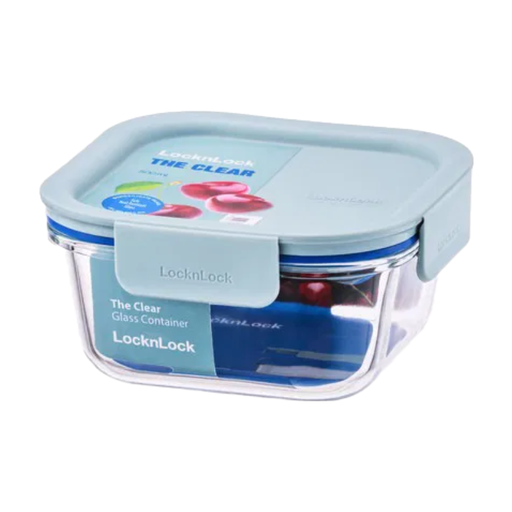
The products featured here cover common use cases. If you are looking for containers with different dimensions or a specific lid colour, you can find more options in our main category that may meet your requirements.
Discover more containers by lid colour
1. What is the difference between regular glass and borosilicate glass? The key difference lies in the chemical composition. Borosilicate glass contains boron trioxide, which gives it a very low coefficient of thermal expansion. This makes it more resistant to sudden temperature changes (thermal shock) than normal soda-lime glass, allowing it to be used safely in the oven.
2. Can I put an oven-safe glass dish directly from the refrigerator into the oven? Although borosilicate glass is durable, it is recommended to avoid extreme temperature changes. It is advisable to let the cold container sit at room temperature for a few minutes before placing it in a preheated oven. Placing it directly from the freezer into a hot oven should be avoided to prevent excessive stress on the material.
3. Are the lids of the glass containers also oven-safe? No, the included lids are typically made of plastic (e.g., polypropylene) with a silicone seal. They are not suitable for use in the oven or under a grill, as they would melt or warp at high temperatures. The lids are designed exclusively for creating an airtight seal for storage and transport.