
Lieferung heute & morgen

Qualitätsgarantie

Willkommens-Angebote freischalten: KOSTENLOSE Lieferung | Bis zu 80 % RABATT | Kostenlose 30-Tage-JoyPlus-Testphase
App herunterladen
A new painting project is on the horizon—motivation is high, and the paint colour is chosen. But often, it's not the paint alone that determines success or failure, but the tools you use. Anyone who's had to pick bristles out of fresh wall paint or dealt with annoying lint in their finish knows how quickly a DIY project can become a test of patience. As your Joybuy Product Recommendation Officer, I'm here to help you navigate the common pitfalls of buying painting supplies and find the right accessories for your project.
Marketing promises can be tempting, but the reality often reveals itself only during application. Watch out for these three common problems to avoid disappointment and unnecessary expenses.
To avoid these problems, you should check a few technical features before buying. These objective criteria will help you assess the quality of painting accessories regardless of advertising claims.
A brush's performance largely depends on two components.
For a flawless finish, the quality of the roller cover is crucial.
The choice of the right tool depends heavily on the planned project. Here are some recommendations tailored to specific user profiles.
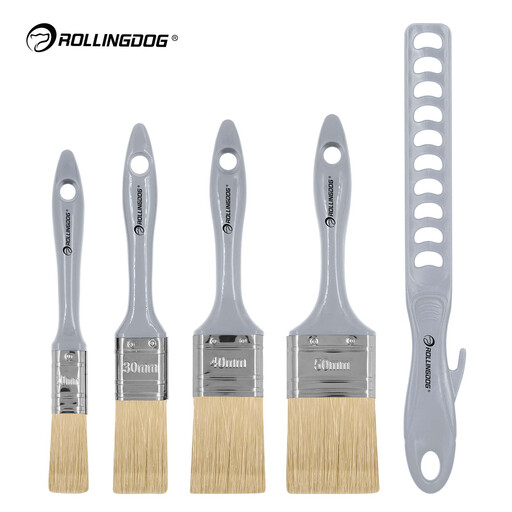
Why it's a good fit: This set provides a solid foundation for a first major painting and renovating project. It includes brushes in four different sizes for walls and details, plus a stir stick—an often-overlooked but essential tool.
The brushes feature stainless steel ferrules and hollow filaments, which prevent typical bristle shedding. The included stir stick closes the gap left by incomplete "all-in-one kits".
A versatile starter kit that combines the most important tools for paint preparation and application.
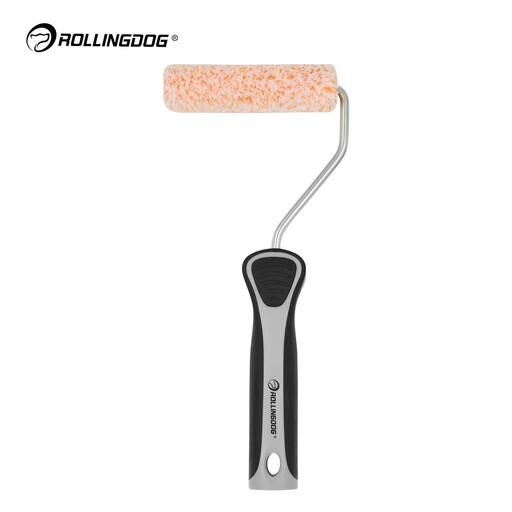
Why it's a good fit: Perfect for DIYers who want to achieve a flawless finish on smooth surfaces like doors, cabinets, or furniture. The small paint roller allows for precise work in corners and on edges.
The high-quality microfibre roller cover minimises the risk of lint shedding, which is especially noticeable on smooth, painted surfaces when using budget rollers.
Its compact size offers excellent control and ensures an even, streak-free result on small to medium-sized areas.
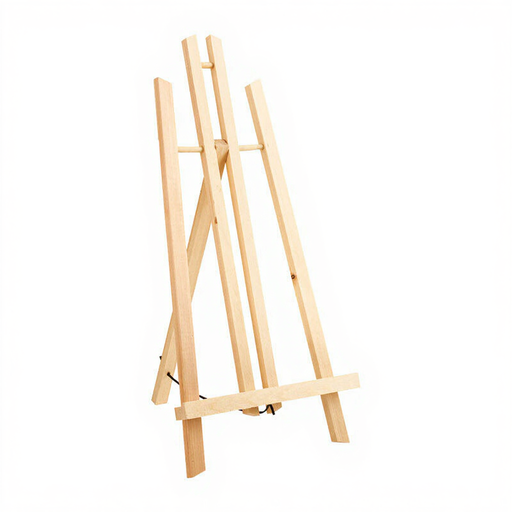
Why it's a good fit: This compact and portable easel is an ideal starting point for hobby artists. It provides a stable support for canvases or sketch pads without taking up much space.
Instead of investing in an oversized, expensive professional model, this easel offers a practical and space-saving solution that covers the core needs of beginners.
Lightweight, foldable, and quick to set up—a practical art supply for beginners that is suitable for use at home or on the go.
We have compiled a comprehensive, up-to-date list of products that meet these strict selection criteria.
Proper cleaning significantly extends the life of your tools. For water-based paints (e.g., emulsion wall paint), wash brushes and rollers thoroughly with lukewarm water and a little soap immediately after use. For solvent-based paints, use the cleaner recommended by the paint manufacturer or mineral spirits. After cleaning, reshape the bristles and let the tools dry completely, either lying flat or hanging.
The choice depends on the surface texture. For smooth, plastered walls, a short-nap roller (up to 10 mm nap height) is suitable as it creates a very fine surface finish. For textured wallpaper or lightly structured plaster, a long-nap roller (from 12 mm nap height) is better, as its longer fibres carry the paint into the recesses.
Look for three features: firmly set bristles that do not come loose even with a gentle pull, a rust-proof ferrule (ideally stainless steel), and an ergonomically shaped handle that fits comfortably in your hand. A good DIY painting accessory set should also include brushes of various widths to handle both large areas and precise edges.