
Lieferung heute & morgen

Qualitätsgarantie

Willkommens-Angebote freischalten: KOSTENLOSE Lieferung | Bis zu 80 % RABATT | Kostenlose 30-Tage-JoyPlus-Testphase
App herunterladen
The range of peanut butter available is vast, with differences that are often subtle. The right choice depends on your personal preferences for taste, texture, and ingredients. This guide breaks down the essential criteria for selecting a peanut butter, helping you find the perfect product to suit your needs.
Product names can vary—from Peanut Butter and Peanut Cream to Natural Peanut Butter. The main differences lie in the ingredients and texture.
Texture is a primary selection criterion and a matter of personal preference.
The composition largely determines the product's nutritional profile and taste.
For athletes and health-conscious individuals, the nutritional values are crucial. Peanut butter is a source of plant-based protein and unsaturated fatty acids. The protein content typically ranges from 20 to 30 g per 100 g. Products with no added sugar have a lower carbohydrate and sugar content.
Based on an analysis of product specifications, here are a few options that cater to different profiles.
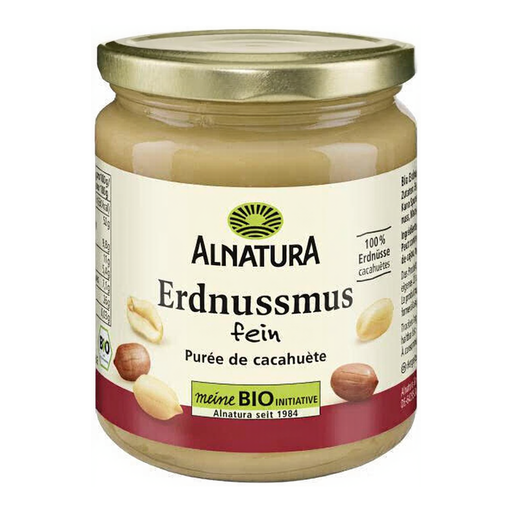
Why we recommend this product: This product is a pure natural peanut butter, consisting exclusively of roasted organic peanuts. It completely avoids additives like sugar, salt, or stabilisers, offering an unadulterated taste experience.
Advantages:
Best for: Ideal for purists, athletes, and health-conscious consumers looking for a natural product with no additives. It is excellently suited for vegan cuisine, cooking, and baking, or as a pure spread.
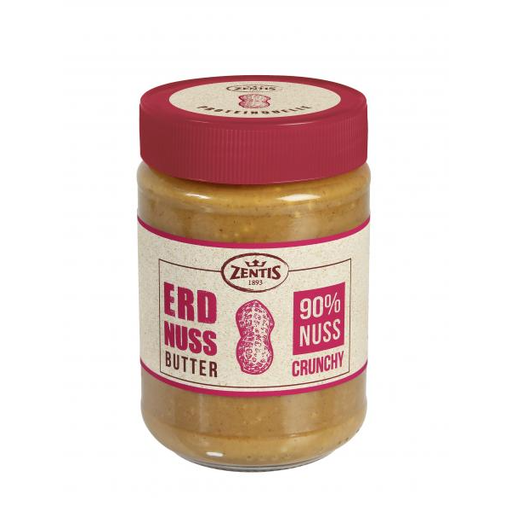
Why we recommend this product: With a 90% peanut content and crunchy pieces, this peanut butter offers a classic, textured taste experience. The recipe is designed for broad appeal as a sandwich spread.
Advantages:
Best for: Suitable for fans of the classic, American-style peanut butter with a crunchy texture. A great choice for families and for use on bread, in desserts, or for baking.
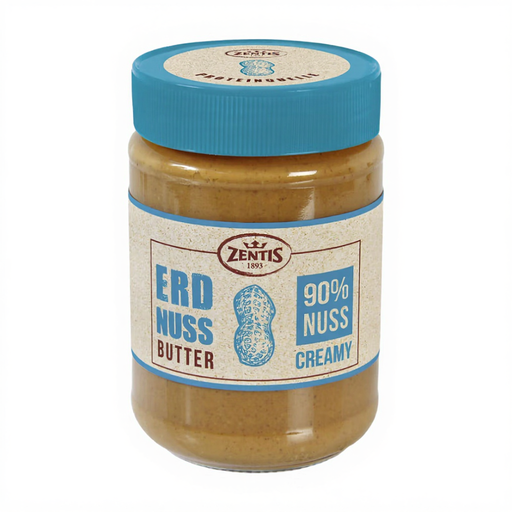
Why we recommend this product: The smooth version from Zentis offers the same core features as the crunchy version but with a silky, spreadable consistency. The high 90% peanut content ensures an intense nutty flavour.
Advantages:
Best for: Perfect for users who prefer a smooth, slightly sweet peanut butter without chunks. It works well in sauces, dips, and as a classic spread.
If our selection doesn't include the right product for your needs, or if you're looking for alternatives like almond or cashew butter, you can find a wider range in our Nut Butter Spreads category.
1. What is the difference between regular peanut butter and natural peanut butter? The main difference is in the ingredients. Natural peanut butter is, by definition, made from 100% peanuts. The term peanut butter or peanut cream, however, allows for the addition of other ingredients like sugar, salt, and fats (stabilisers).
2. Is it normal for oil to separate in peanut butter? Yes, in products without stabilisers (especially pure, natural peanut butter), the separation of the peanuts' own oil is a natural process and a sign of quality. The oil can simply be stirred back in to restore the smooth consistency.
3. Which peanut butter is best for athletes? For athletes, products with a high protein content and no added sugar are often of interest. A pure natural peanut butter with 100% peanuts is an excellent choice for this, as it offers high nutrient density and around 25-30 g of protein per 100 g.
Joybuy Product Recommendation Officer