Hello, I'm Joy, your Product Recommendation Officer at Joybuy. The selection of peanut butter on the shelf can be overwhelming: creamy, crunchy, with or without sugar, organic. This article is designed to help you understand the different options and make an informed decision that suits your needs and preferences. We'll look at the key features to consider when buying peanut butter.
Buyer's Guide: What to Look for When Choosing Peanut Butter
Before you decide on a product, a few key considerations can make the choice easier. Here are three central points to help you find the right jar for your pantry.
1. Texture: Crunchy or Creamy?
The first, and often most personal, decision is about consistency.
- Creamy peanut butter: This version is ground into a completely smooth paste. It's excellent for baking, sauces, or for anyone who prefers a velvety texture on their toast.
- Crunchy peanut butter: Here, small, chopped peanut pieces are added after grinding. This provides a satisfying bite and a more varied texture. Many appreciate this extra crunch in sandwiches or as a topping for porridge.
Both varieties are based on the same core ingredients; the only difference lies in the processing and the mouthfeel.
2. Ingredient List: A Look at the Essentials
The quality of a peanut butter can often be judged by its ingredient list. Products with a few, high-quality ingredients are usually a great choice.
- Peanut content: A high peanut content (often over 90%) is an indicator of an intense, nutty flavour. Products labelled as peanut paste typically consist of 100% peanuts, with no other additives.
- Sugar and salt: Pay attention to the sugar content. Many products are available as peanut butter with no added sugar, getting their subtle sweetness solely from the roasted peanuts. A moderate amount of salt can round out the flavour but shouldn't be overpowering.
- Oils: Some manufacturers use additional vegetable oil (e.g., sunflower or palm oil) to improve spreadability and prevent the natural peanut oil from separating.
- Organic quality: If you value organic farming, an organic peanut butter is worth considering. These products are made from peanuts grown without the use of synthetic chemical pesticides and fertilisers.
3. Nutritional Value: More Than Just a Spread
Peanut butter is not just a delicious spread; it's also a source of nutrients. For athletes and health-conscious individuals, it's often a staple in their diet. With a high protein content, typically 20-27g per 100g, it's a popular protein-rich spread. It also provides unsaturated fatty acids and fibre. A look at the nutrition label reveals the exact protein, fat, and carbohydrate content.
Our Peanut Butter Picks for 2026
Based on objective criteria such as ingredients, nutritional values, and product specifications, we have compiled a selection of peanut butter products.
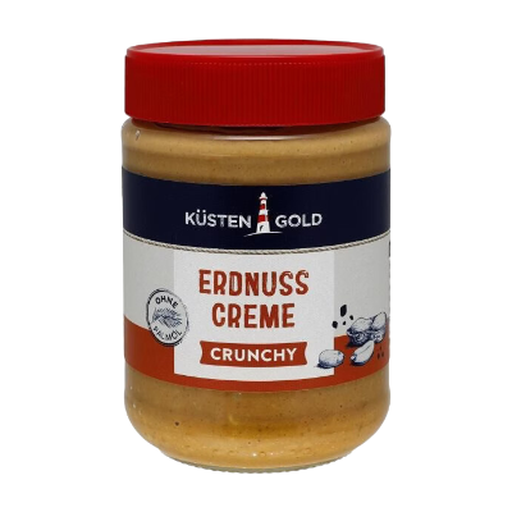
Küstengold Peanut Butter Crunchy 350 g

- What makes this product stand out: This peanut butter combines a creamy base with crunchy peanut pieces. With a high peanut content of 95%, it offers an intense, nutty flavour. The recipe is rounded out with sunflower oil and salt.
- Benefits:
- High protein content of 27g per 100g.
- A pleasant texture thanks to the combination of creamy and crunchy.
- Versatile, from a spread on bread to a dip.
- Who it's for: Ideal for anyone who prefers the classic peanut butter taste with an extra crunch and is looking for a protein-rich spread.
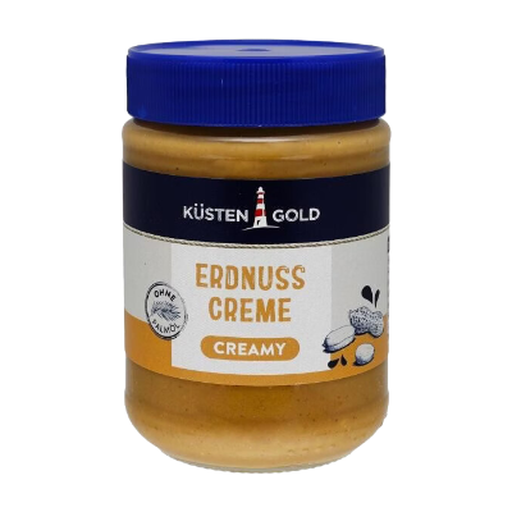
Küstengold Peanut Butter Creamy 350 g

- What makes this product stand out: The creamy version from Küstengold offers an exceptionally smooth and spreadable consistency. The ingredient list is identical to the crunchy version, consisting of 95% roasted peanuts, sunflower oil, and salt.
- Benefits:
- Very smooth texture, ideal for use in recipes.
- Same high protein content of 27g per 100g.
- Classic, pure peanut flavour.
- Who it's for: Perfect for lovers of a velvety consistency, for baking, smoothies, or as a base for Asian sauces.
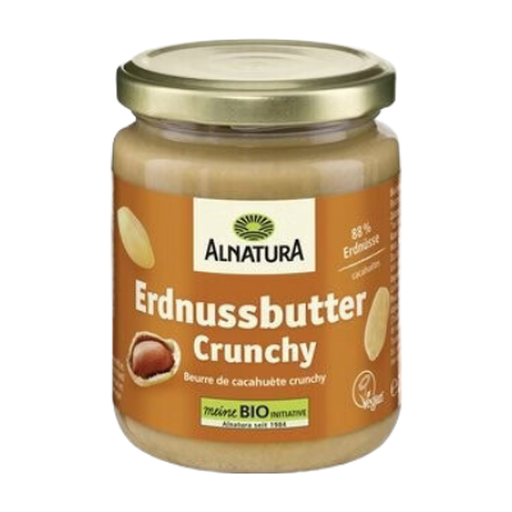
Alnatura Bio Erdnussbutter Crunchy 250g

- What makes this product stand out: The Alnatura peanut butter relies on ingredients from organic farming. It contains 88% roasted peanuts, palm oil, sea salt, and raw cane sugar. The combination creates a balanced, slightly sweet taste with crunchy pieces.
- Benefits:
- All agricultural ingredients are from organic farming.
- Solid protein content of 24g per 100g.
- Also adds a nutty note to savoury dishes and dips.
- Who it's for: A great choice for consumers who prefer organic products and are looking for a crunchy peanut butter with a subtly sweet and salty note.
Looking for More Options?
The products presented here are just a glimpse into the diverse world of spreads. If you're curious about other alternatives or want to discover other nut butters, you can find a wider selection in our category.
? Discover more products in the Buttercream category here
Frequently Asked Questions (FAQ)
1. What is the difference between peanut butter and peanut paste? The main difference is in the ingredients. Peanut paste typically consists of 100% peanuts and contains no other additives like salt, sugar, or additional oils. Peanut butter, on the other hand, is a processed product to which salt, a sweetener, and/or oil are often added to improve taste and consistency.
2. Is peanut butter suitable for a high-protein diet? Yes, peanut butter is a plant-based source of protein and can be a valuable addition to a high-protein diet. With an average of 20-27 grams of protein per 100 grams, it is a popular protein-rich spread among athletes and active people. However, it is advisable to check the nutritional information of the specific product.
3. How do I store peanut butter correctly? Unopened, peanut butter can be stored in a cool, dry place. After opening, storing it in the refrigerator is recommended to maintain freshness and extend its shelf life. With natural products without emulsifiers, the peanut's own oil may separate and rise to the surface. This is a normal process and a sign of quality. Simply stir it back in vigorously before use.