
Lieferung heute & morgen

Qualitätsgarantie

Willkommens-Angebote freischalten: KOSTENLOSE Lieferung | Bis zu 80 % RABATT | Kostenlose 30-Tage-JoyPlus-Testphase
App herunterladen
A peanut protein bar is a convenient solution for many people. It provides a quick energy boost, supports protein intake after a workout, and satisfies hunger between meals in a delicious way. However, the market is flooded with options, and making a choice can be overwhelming. Which bar is the right fit for your goals and dietary needs?
As a Joybuy Product Recommendation Officer, my job is to filter through market information and offer you objective guidance. This article will introduce you to several different models and provide you with clear criteria to help you make an informed decision.
Before you choose a bar, the following points will help you identify the right product for your needs.
The nutrition label is crucial. Pay close attention to the ratio of protein to sugar and carbohydrates.
The ingredients list reveals the quality of the bar and its suitability for specific diets.
Buying a full box of protein bars is often more cost-effective than purchasing individual bars. To compare offers objectively, it's a good idea to calculate the price per 100 grams or per single bar. This is the best way to assess the overall value for money.
Here is a selection of three different peanut-flavoured protein bars, each with its own unique focus.
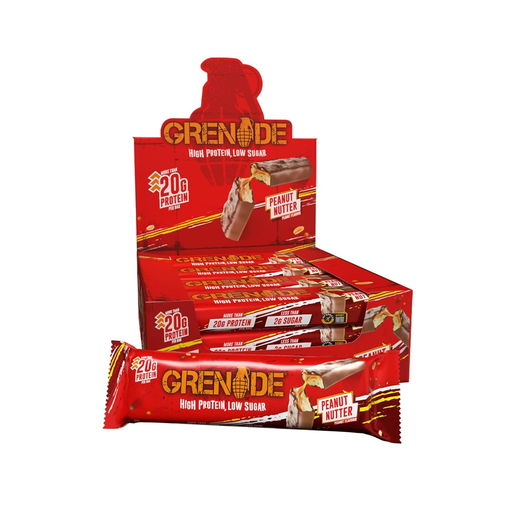
What makes it stand out: The Grenade Carb Killa bar in the "Peanut Nutter" flavour is known for its multi-layered texture. It combines a peanut-flavoured nougat layer, real peanut pieces, and a caramel layer, all coated in milk chocolate. With its high protein and very low sugar content, it is specifically aimed at athletes.
Key Facts:
Who is this bar for? This bar is an excellent option for fitness enthusiasts looking for a high-protein, low-sugar post-workout snack who also appreciate a complex texture.
View Product: Grenade Carb Killa - Peanut Nutter
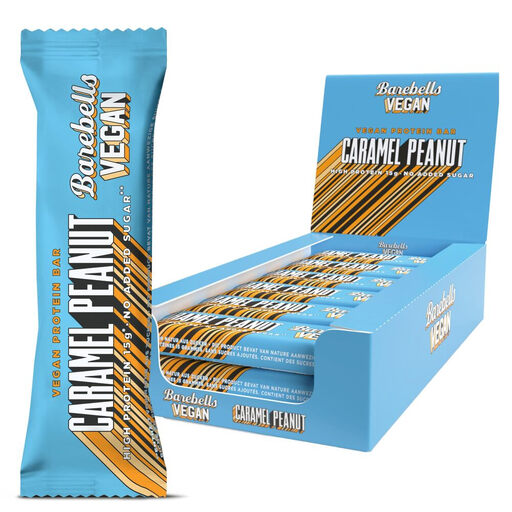
What makes it stand out: The Barebells Vegan Protein Bar offers a purely plant-based alternative. It combines a protein blend of wheat and soy with crunchy peanut pieces and a caramel topping. According to the manufacturer, it contains no added sugar or palm oil.
Key Facts:
Who is this bar for? This peanut protein bar is designed for individuals who follow a vegan diet or consciously avoid animal products and palm oil, without compromising on taste or protein content.
View Product: Barebells Vegan Protein Bar
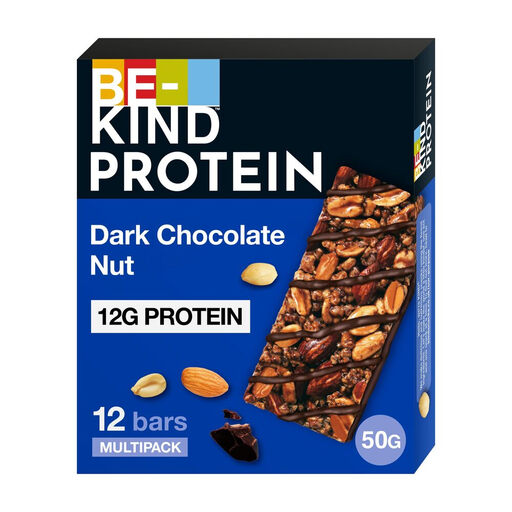
What makes it stand out: The BE-KIND Protein bar features whole nuts as its main ingredient. The combination of peanuts, almonds, and dark chocolate provides a satisfyingly crunchy texture. It is declared gluten-free and, according to the manufacturer, contains no artificial colours, flavours, or preservatives.
Key Facts:
Who is this bar for? This bar is aimed at health-conscious individuals who prefer a snack with recognizable, natural ingredients. With its moderate protein content, it's well-suited for satisfying hunger between meals or as an energy source on the go.
View Product: BE-KIND Protein Dark Chocolate Nut
Haven't found the right bar for you yet, or want to explore a wider range of options? The world of nutritious snacks is vast. Discover more products and flavours in our Snacks & Drinks category.
The optimal time depends on your individual goals. After a workout, a bar can support muscle recovery. As a snack between meals, it helps prevent cravings and provides your body with energy. Some people also use it as an alternative to traditional sweets.
Many peanut protein bars are designed as low-carb bars. The key is to check the nutrition label. Products with a low net carbohydrate count (total carbs minus sugar alcohols/polyols) can fit well into a low-carb diet.
A high-quality peanut protein bar is distinguished by several factors: a clear and understandable ingredients list, a high-quality protein source (e.g., whey protein, casein, or plant-based proteins), a balanced ratio of protein to sugar, and the absence of unnecessary fillers. Ultimately, its suitability depends on your personal dietary goals and preferences.