
Lieferung heute & morgen

Qualitätsgarantie

Willkommens-Angebote freischalten: KOSTENLOSE Lieferung | Bis zu 80 % RABATT | Kostenlose 30-Tage-JoyPlus-Testphase
App herunterladen
The search for the right writing instrument can be unexpectedly complicated. You pick up a promising-looking pen, but disappointment quickly sets in: the ink smudges, your hand cramps up, or the expensive refill is empty after just a few pages. Before you buy pens again, you should know the most common pitfalls that often lead to a bad purchase.
Many users invest in writing instruments that are impressive at first glance but have fundamental flaws:
To avoid these problems, it's helpful to focus on a few key technical parameters instead of being swayed by marketing promises.
The type of pen largely determines the writing feel and its suitability for various applications.
The shape and material of the grip section are crucial for comfort during extended writing. A triangular, ergonomic shape promotes a relaxed pen grip. Rubberised surfaces offer better grip than smooth plastic or cool metal, which is particularly advantageous for those with clammy hands. Pay attention to the pen's diameter and weight—a pen that is too heavy or too thick can unnecessarily strain your hand muscles.
Before buying, check which refill system the pen uses.
Based on these objective criteria, we have put together some products for different user profiles.
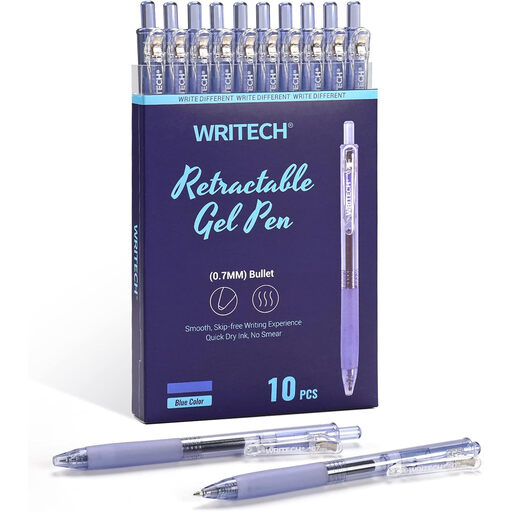
Why This Fits Their Persona: Ideal for prolific writers who need a reliable pen for quick notes. The 10-pack offers excellent value for money for daily needs in lectures or meetings.
The quick-drying ink minimises smudging, which bypasses the ink flow pitfall. The ergonomic, non-slip grip section prevents fatigue.
The 0.7mm medium tip ensures a clear, consistent line. The ink is designed not to bleed through the paper.
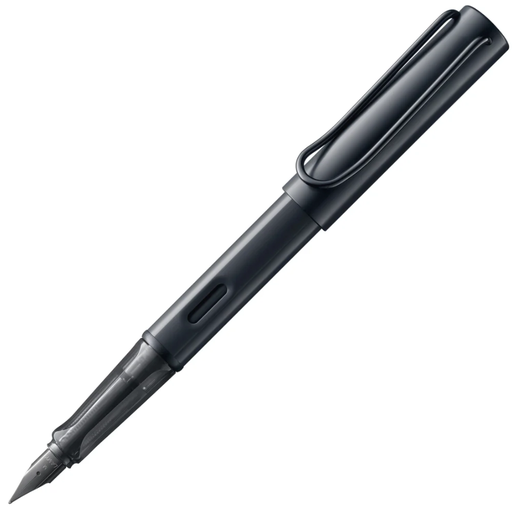
Why This Fits Their Persona: An excellent choice for anyone looking to upgrade from basic pens to a durable fountain pen. The aluminium body is robust yet lightweight, ideal for everyday carry.
Lamy's proven ergonomic grip prevents fatigue. The ink-level window prevents the ink from running out unexpectedly.
The body made of anodized aluminum is highly durable. The steel nib is interchangeable, allowing for customisation to your personal writing style.
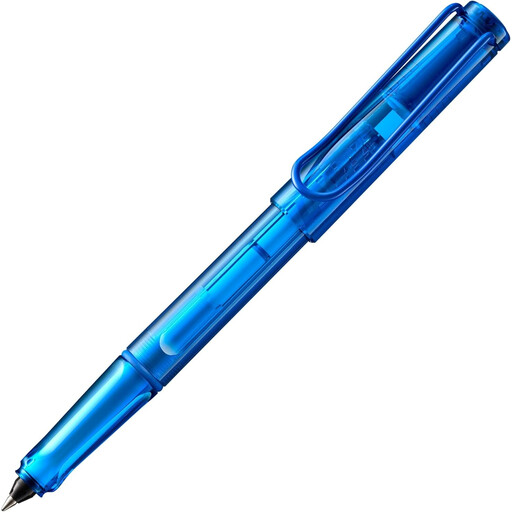
Why This Fits Their Persona: For users who appreciate the fluid, gliding feel of a rollerball but don't want to compromise on a robust and comfortable design. Ideal for journaling or writing longer texts.
The ergonomic triangular grip, inspired by the Safari series, directly counters the pitfall of poor ergonomics and ensures long-lasting writing comfort.
The pen uses the Lamy T 11 rollerball refill, known for its consistent and rich ink flow. The lightweight plastic body makes it an uncomplicated companion.
We've compiled a complete, up-to-date list of products that fully meet these strict selection criteria and UK regulations.
The correct storage method depends on the type of pen. Ballpoint and gel pens should ideally be stored horizontally or with the tip facing down to keep the ink at the ball and prevent it from drying out. Fountain pens are best stored horizontally or with the cap facing up to prevent ink from leaking into the cap. Rollerball pens are the most sensitive and should always be stored horizontally with the cap firmly in place.
No, compatibility is a crucial point. There is a widely used international standard for short ink cartridges, which is used by many brands like Pelikan, Staedtler, and Faber-Castell. However, manufacturers like Lamy and Parker rely on brand-specific (proprietary) cartridges that have a different shape and only fit into their own brand of fountain pens. Therefore, always check which system your fountain pen requires before buying ink cartridges.