
Lieferung heute & morgen

Qualitätsgarantie

Willkommens-Angebote freischalten: KOSTENLOSE Lieferung | Bis zu 80 % RABATT | Kostenlose 30-Tage-JoyPlus-Testphase
App herunterladen
An unsuitable phone mount can be more than just impractical—it can lead to frustration when your device constantly tips over, or in the worst-case scenario, even cause damage to your smartphone. The market is flooded with models whose marketing promises often don't align with real-world performance. This guide will help you identify the crucial features and make an informed decision that meets your needs.
Many buyers only realize their new accessory is flawed after a short period of use. Watch out for these three common problems to avoid making a bad purchase:
To find the right phone mount, you should focus on objective criteria rather than marketing claims. The following three aspects are crucial for durability and functionality.
The material is a direct indicator of stability and durability.
The type of mounting mechanism largely determines its use case.
Depending on your usage profile, specialized mounts can be beneficial.
Instead of a one-size-fits-all recommendation, we present models here that are tailored to specific usage scenarios.
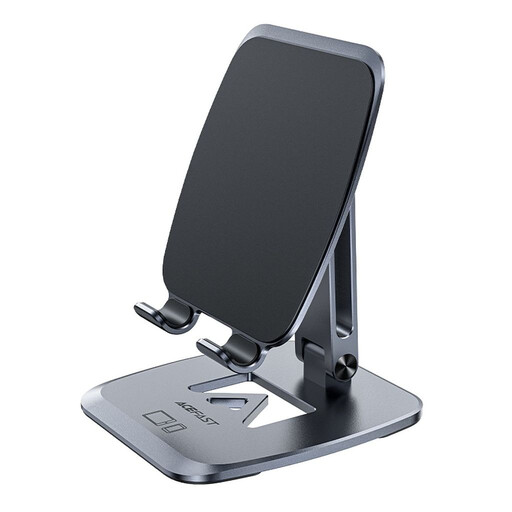
Why This Fits Their Persona: Ideal for the home office or a company desk. The adjustable height and tilt allow for an ergonomic position for video calls and monitoring notifications, while keeping the smartphone easily accessible.
The construction of aluminum alloy and silicone ensures a stable base and prevents tipping. The flexible adjustment options solve the problem of rigid, impractical angles.
Foldable design for easy storage and transport; a cutout for a charging cable keeps the workspace tidy.
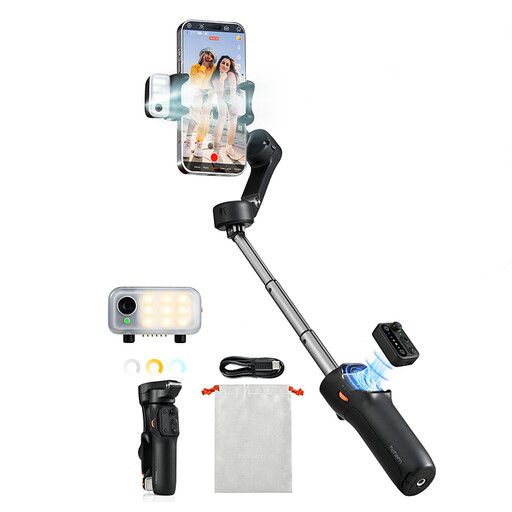
Why This Fits Their Persona: For vloggers and videographers who want to create professional, stable footage directly with their smartphone. The combination of stabilization, tracking, and lighting in one device is designed for mobile production.
The 3-axis stabilization system (iSteady 8.0, according to the manufacturer) actively prevents camera shake during movement. The AI-powered tracking works without needing an app and simplifies recording moving subjects.
Integrated tripod, extension rod, and fill light; detachable remote control for flexible shooting scenarios.
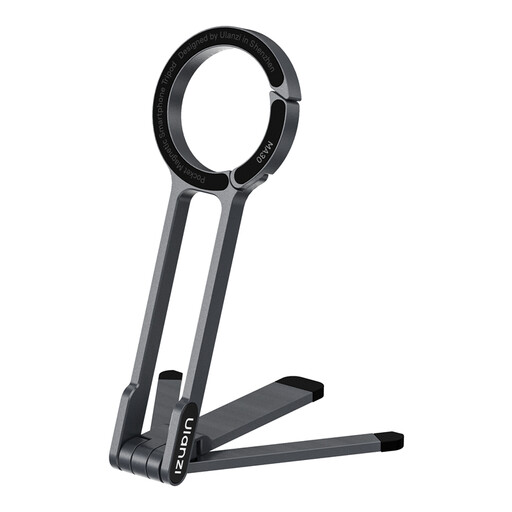
Why This Fits Their Persona: Perfect for tech-savvy users who are always on the go and need an ultra-compact, versatile solution. The design combines a stand, a grip, and a mini-tripod into one tiny, lightweight package.
Solves the problem of bulky equipment with its foldable carabiner design. The magnetic attachment (compatible with MagSafe) bypasses the cumbersome handling of clamps and is ideal for quick snapshots.
Extremely portable and lightweight; 3-in-1 functionality (stand, grip, mini-tripod); quick magnetic mounting for compatible devices.
We have compiled a complete, up-to-date list of products that fully meet these strict selection criteria and all applicable safety regulations.
1. How safe is a magnetic phone mount for my smartphone? Modern magnetic mounts, especially those optimized for MagSafe systems, use strong magnets designed to securely hold a smartphone. The magnetic fields are typically shielded to prevent interference with the phone's electronics. For devices without integrated magnets, a special case or a metal ring is required to ensure a reliable connection.
2. Can I use a phone mount with a protective case? Yes, in most cases, this is possible. For clamp-style mounts, you should check the maximum clamping width to ensure your device fits with its case. For magnetic mounts, the connection works most reliably with a MagSafe-compatible case. Thick, non-magnetic cases can significantly reduce the magnetic force.
3. What is the difference between a phone tripod and a gimbal? A phone tripod provides static stabilization. It holds the smartphone in a fixed position to prevent shake during long exposures, time-lapses, or stationary video recordings. A gimbal, on the other hand, is an active stabilization system. It uses motors and sensors to compensate for movements (like walking or running) in real-time, resulting in smooth, professional-looking video footage.