
Lieferung heute & morgen

Qualitätsgarantie

Willkommens-Angebote freischalten: KOSTENLOSE Lieferung | Bis zu 80 % RABATT | Kostenlose 30-Tage-JoyPlus-Testphase
App herunterladen
Shaky videos, blurry group photos, and unprofessional-looking vlogs—the integrated cameras in modern smartphones are powerful, but without a stable base, their potential often goes untapped. A phone tripod is the solution, but the market is overwhelming. Many products overpromise and underdeliver, leading to frustration instead of better shots.
As your Joybuy Product Recommendation Officer, I'm here to help you identify the common pitfalls and make an informed decision. We'll focus on the objective features that truly matter, so you can find a product that meets your needs and is worth its price.
Before you invest, you should be aware of the most common issues that often only become apparent after the purchase:
To avoid a poor purchase, you should check three core technical aspects. These define the durability, functionality, and safety of your tripod.
A tripod's stability is directly dependent on its material and construction. Look for the following features:
Choosing the right stabilization method is crucial for your intended use case:
The phone mount is the critical link between your tripod and your smartphone.
Based on the criteria above, we have identified several products that represent a suitable solution for specific user groups.
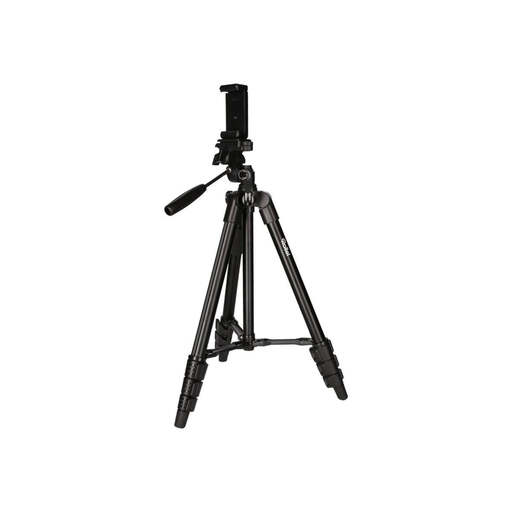
Why This Fits Their Persona: Ideal for vacation photos, family gatherings, and occasional static video recording. It's lightweight, compact, and the included Bluetooth remote shutter is a practical feature for group photos, ensuring no one is left out of the shot.
The legs are made of aluminum, offering significantly more stability than basic plastic models. It doesn't promise motorized stabilization, instead delivering solid performance as a classic travel tripod.
Lightweight (595 g) and a compact packed size (39 cm). Includes a Bluetooth remote shutter and a carrying case.
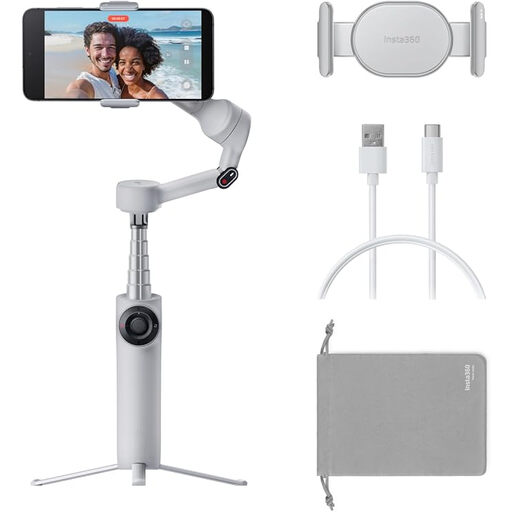
Why This Fits Their Persona: Designed for users who produce professional, smooth videos for social media or vlogs. The combination of 3-axis stabilization and AI tracking enables dynamic shots that would be impossible with a simple tripod solution.
This is a true smartphone gimbal that delivers on its promise of active stabilization. It avoids the "fake stabilizer" trap and provides demonstrably smoother footage while in motion.
AI-powered subject tracking that automatically keeps people centered in the frame. Foldable design with a built-in tripod and selfie stick.
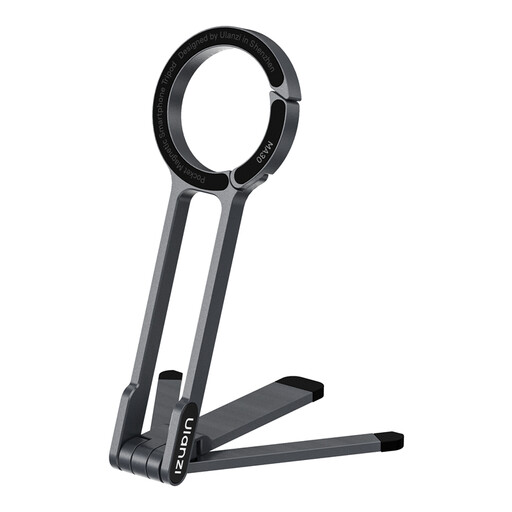
Why This Fits Their Persona: Perfect for anyone seeking maximum portability. Its carabiner-style design allows it to be attached to backpacks or belt loops. Ideal for spontaneous shots, on-the-go video calls, or as a tripod for iPhone with MagSafe compatibility.
The aluminum construction is robust and durable. The magnetic mount is specifically designed for compatible devices, providing a defined, secure hold that bypasses the trap of a universal but wobbly clamp.
Extremely compact and foldable design. Magnetic quick-mount for compatible smartphones and is multifunctional, serving as a grip, mini-tripod, and selfie stick.
We've compiled a complete, up-to-date list of products that fully meet these strict selection criteria and all relevant safety standards.
Not necessarily. The deciding factor is the clamp width of the mount. Measure the width of your smartphone (including its case) and compare it to the tripod's specifications provided by the manufacturer. Most modern mounts are adjustable and fit the most common models, but checking before you buy is always recommended.
A phone tripod provides a fixed, stationary base to position your smartphone for shake-free photos or static videos. A smartphone gimbal is an electronic phone stabilizer. It uses motors and sensors to actively compensate for your movements (e.g., while walking). The result is smooth, professional-looking video footage that would be impossible to achieve without a gimbal.
Prices vary depending on the type and material. Simple yet functional mini phone tripod models are available for as little as €20–€40. A solid travel tripod for phones made of aluminum with good height and stability often costs between €40 and €80. For a high-quality smartphone gimbal with 3-axis stabilization and AI features, you should expect to pay €100 or more. The investment depends on your specific use case.