
Lieferung heute & morgen

Qualitätsgarantie

Willkommens-Angebote freischalten: KOSTENLOSE Lieferung | Bis zu 80 % RABATT | Kostenlose 30-Tage-JoyPlus-Testphase
App herunterladen
By Joybuy Product Recommendation Officer, 9 July 2026
Pickled radish is a key ingredient that gives many Asian dishes their signature crunchy texture and sweet-and-sour flavour. Whether you're preparing authentic kimbap, adding a unique twist to your sushi, or just need a ready-made side for rice dishes, choosing the right product is essential. This guide provides an overview of different types of pickled radish and presents a selection of products to make your decision easier.
With so many options on the market, finding the perfect pickled radish can be a challenge. The following points will help you find a product that meets your needs.
Although the terms are often used interchangeably, there are subtle differences. Takuan is the Japanese name for pickled daikon radish. It's known for its vibrant yellow colour and is traditionally fermented in rice bran and salt, giving it a complex, often sweet, aroma. It's a classic ingredient for sushi. Danmuji is the Korean version. This yellow radish is typically pickled in a vinegar-sugar-salt solution and often tastes slightly more sour. It is an indispensable component of kimbap and is served as a side dish with many Korean meals.
The form factor influences how it's used in the kitchen:
It's always a good idea to check the ingredients list. Products differ in the types of sweeteners (e.g., aspartame, saccharin) and preservatives used. Some varieties, particularly from Chinese cuisine, are enhanced with chilli oil and spices, offering a spicy, savoury experience, whereas classic Japanese radish or Korean radish tends to be sweet and sour.
Here is a curated selection of products that cater to different tastes and uses.
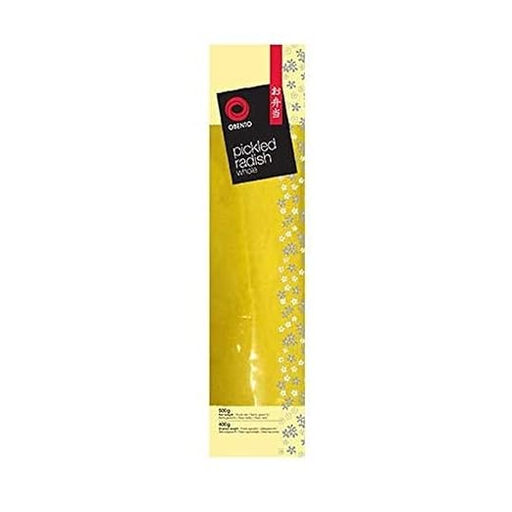
Why it stands out: This product offers a whole, authentic takuan that has retained its natural crunch. The whole form allows for custom preparation for a wide variety of dishes.
Pros:
Who it's for: Home cooks who value flexibility and want to determine the cut of their radish for Japanese or Korean dishes themselves.
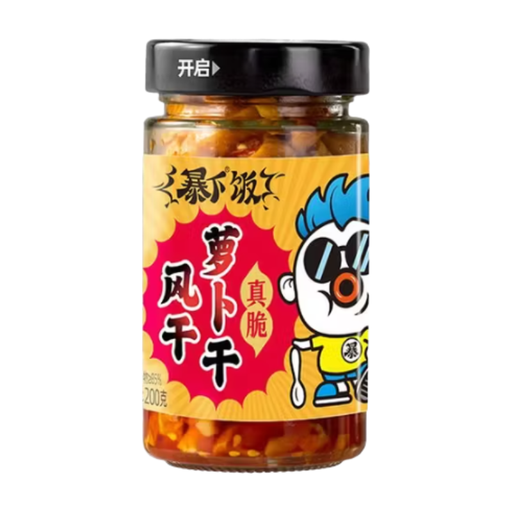
Why it stands out: These air-dried radish strips are distinguished by their spicy and savoury profile. With a radish content of 78% and seasoning from chilli oil and Szechuan pepper, they offer an intense flavour experience.
Pros:
Who it's for: Fans of Chinese cuisine and anyone looking for a spicy, ready-to-eat vegetable side with a complex aroma.
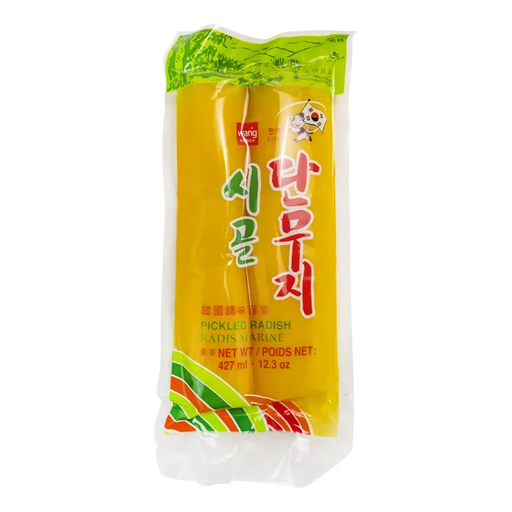
Why it stands out: As a classic danmuji from Korea, this product is specifically designed for Korean cuisine. The halved form is convenient and ideal for preparing kimbap.
Pros:
Who it's for: Anyone who needs authentic Korean radish for making kimbap or as a traditional side for Korean meals.
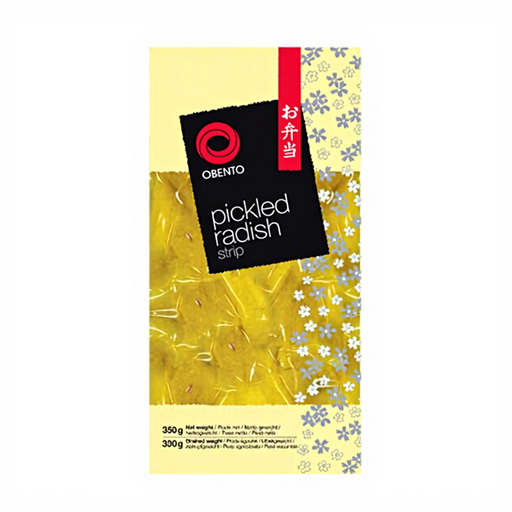
Why it stands out: These pre-cut radish strips offer maximum convenience. They are ready to use immediately, saving valuable prep time in the kitchen.
Pros:
Who it's for: People looking for a quick and easy ingredient for bento boxes, sushi, or as a side dish, who prioritise efficiency.
Haven't found the right variety for your culinary project yet? If you're looking for other versions or different savoury side dishes, you can find a wider range of products in our pickled relish category.
1. What do you eat pickled radish with? Pickled radish is a versatile Asian side dish. In Japan, takuan is often served as an accompaniment to rice, as part of a bento box, or as a filling for sushi rolls. In Korea, danmuji is an essential ingredient for kimbap and a standard side dish (banchan) for many main courses like Jajangmyeon (noodles in black bean sauce).
2. How long does opened pickled radish last? Once opened, pickled radish should be stored in the refrigerator, preferably in its original brine in a sealed container. Under these conditions, it will typically last for several days. Always follow the storage instructions on the product packaging.
3. Do you need to wash pickled radish before eating? This depends on personal preference and the specific product. Some types of radish can be quite salty. If you prefer a milder taste, you can briefly rinse the radish under cold water and pat it dry. For ready-to-eat, seasoned varieties, this is usually not necessary.