
Lieferung heute & morgen

Qualitätsgarantie

Willkommens-Angebote freischalten: KOSTENLOSE Lieferung | Bis zu 80 % RABATT | Kostenlose 30-Tage-JoyPlus-Testphase
App herunterladen
By Joybuy, your Product Recommendation Officer
A restful night's sleep is the foundation for an energetic day. Yet, for many people, mornings begin with tension and pain in the neck and shoulder area. The cause is often a pillow that fails to provide the right support, forcing the spine into an unnatural position.
This article serves as your practical guide. Instead of overwhelming you with marketing promises, we focus on objective criteria and product features. Our goal is to give you the information you need to make an informed decision on a pillow for neck pain and improve your quality of sleep.
Choosing the right pillow depends on individual factors. Pay attention to the following features to identify the best option for your needs.
A pillow's material is crucial for its comfort and support. Memory foam pillows (viscoelastic foam) are a popular choice because they react to body heat and pressure. The material conforms to the contours of your head and neck and slowly returns to its original shape (the slow-rebound effect). This ensures even pressure distribution and prevents your head from sinking too deeply. A good pillow strikes a balance between soft cushioning and firm support.
An ergonomic neck pillow is shaped to support the natural curve of the cervical spine. The shape should match your preferred sleeping position:
Modern orthopedic pillows often feature a multi-layer design. A combination of a soft top layer for comfort, a supportive middle layer for stabilization, and a firm base layer can create the optimal balance of relief and support. Also, look for breathable and washable covers to ensure a comfortable sleeping environment.
Based on the criteria above, we have curated a selection of pillows that cater to different needs.
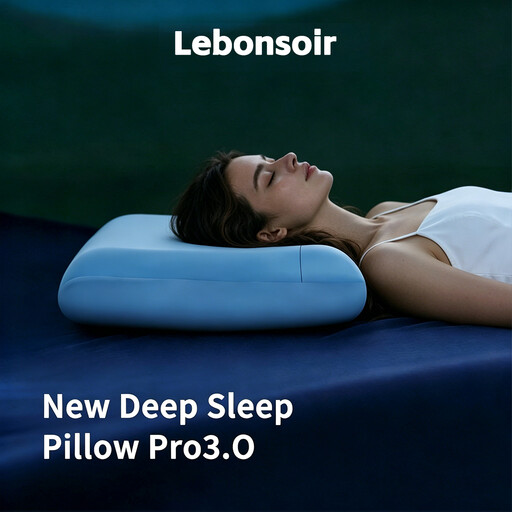
Why It Stands Out: This pillow is a thoughtful alternative to the Atour Planet pillow and is specifically designed to alleviate neck and shoulder pain. Its core feature is the 3-layer design, which provides precisely calibrated support.
Benefits:
Who It's For: Individuals seeking targeted orthopedic support to reduce sleep-related pain. It's an excellent choice for all sleeper types and for buyers looking for a functionally comparable alternative to well-known brands.
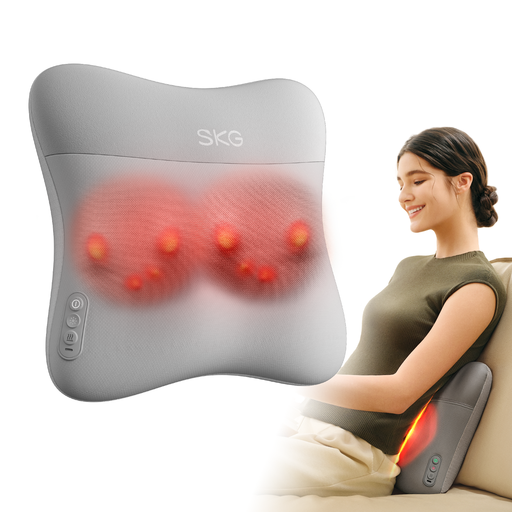
Why It Stands Out: The SKG VS500 is more than just a pillow—it's a multifunctional device that combines supportive comfort with an active massage and heat function.
Benefits:
Who It's For: Users who suffer from acute muscle tension and are looking for an active solution for pain relief. It's ideal for office workers or individuals who sit for long periods and want a combination of a support pillow and a massager.
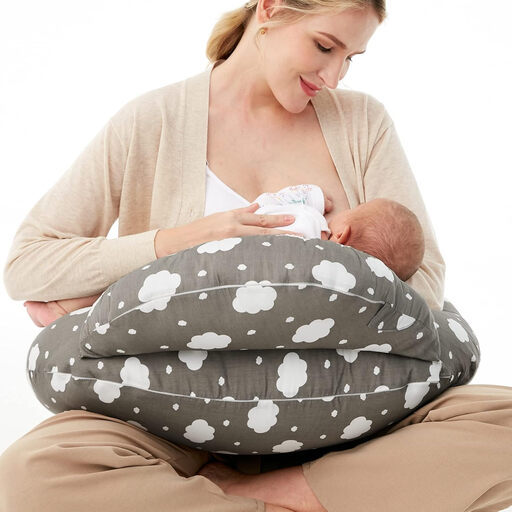
Why It Stands Out: Although originally designed as a nursing pillow, its U-shape and firm structure make it an extremely versatile support pillow for various everyday situations.
Benefits:
Who It's For: Besides its primary function as a nursing pillow, it's a practical solution for anyone needing extra support while sitting. It helps maintain an ergonomic posture when reading or working on a laptop in bed or on the sofa, which can prevent neck tension.
Didn't find the right pillow? Sometimes, the search for ideal comfort requires a wider selection. Discover more affordable lounge chair cushions and find the perfect support for your needs.
An orthopedic pillow with an ergonomic shape is often a great choice. It should support the natural curve of your cervical spine and keep your head in a neutral position. Materials like memory foam adapt to your unique shape and can reduce pressure on sensitive areas.
It's all about the right balance. A pillow that's too soft will let your head sink, straining your neck muscles. A pillow that's too firm can create pressure points. The ideal pillow is firm enough to support the spine but soft enough to be comfortable. A memory foam pillow often provides this balanced quality.
As a rule of thumb: side sleepers need a higher pillow to compensate for the width of their shoulders. Back sleepers need a medium-height pillow that supports the neck without pushing the head forward. Stomach sleepers should use a very thin pillow, or none at all, to avoid hyperextending the neck. Pay attention to product descriptions that specify which sleeping positions a pillow is suitable for.