
Lieferung heute & morgen

Qualitätsgarantie

Willkommens-Angebote freischalten: KOSTENLOSE Lieferung | Bis zu 80 % RABATT | Kostenlose 30-Tage-JoyPlus-Testphase
App herunterladen
As your Joybuy Product Recommendation Officer, I understand the quest for authentic Asian sweets. Finding high-quality pineapple cake, also known as Feng Li Su, can be particularly challenging. The market is filled with options, and the differences often lie in the subtle details.
This guide is designed to provide clear direction. We'll explore what to look for when making your selection and introduce a range of products that cater to different preferences—from traditional flavours to reduced-sugar varieties. Our goal is to equip you with the information you need to make an informed choice, helping you find the perfect pineapple pastry for your tea time or as a special indulgence.
To find the perfect pineapple cake, several criteria are key. Here are three practical factors to guide your selection.
The heart of any pineapple cake is its filling. Traditional Taiwanese Pineapple Cake often features a blend of pineapple and winter melon. The winter melon contributes to a softer texture and a milder sweetness. In contrast, more modern varieties frequently use a higher percentage of pure pineapple pulp, which delivers a more intense, fruity, and slightly tart flavour.
Pay close attention to the ingredients list and the declared fruit content. A specification like Pineapple Pulp ≥22% points to a bold, authentic pineapple taste, whereas a lower percentage or winter melon listed as a primary filling ingredient suggests a more traditional, milder recipe.
Asian sweets are renowned for their balanced sweetness. However, pineapple cakes can vary significantly in this regard. Classic recipes use sugar and maltose syrup to create a rich sweetness that perfectly complements the buttery pastry.
For health-conscious consumers, reduced-sugar alternatives are now widely available. These products often use sweeteners like sorbitol (E420) to lower the calorie and sugar content while still providing a pleasantly sweet flavour. A quick look at the nutritional information and ingredients list will tell you whether you're getting a classic or a lighter option.
A good pineapple cake should have a tender and buttery pastry that isn't overly dry or crumbly. The exact texture can vary by brand and regional style. Brands like Hsu Fu Chi are known for their signature, melt-in-your-mouth shortbread-style pastry. Others, such as the prestigious Guangzhou Restaurant, embrace the Cantonese style, which also favours a delicate, crumbly crust. The individual wrapping of each small cake is a standard practice that preserves the pastry's freshness and texture.
Here is a curated selection of pineapple cakes designed to suit various taste profiles and preferences.
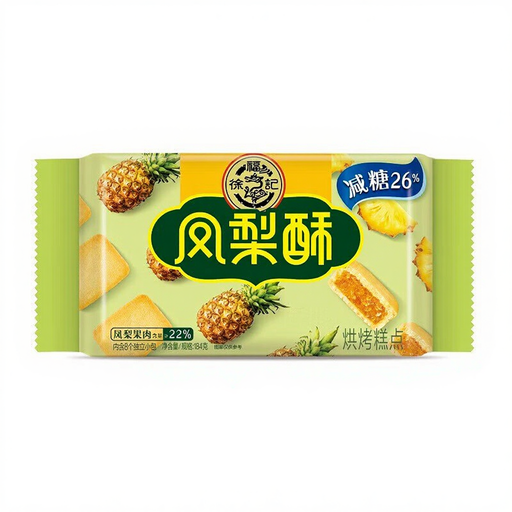
What sets it apart: This version from Hsu Fu Chi is crafted for those who want to enjoy the full flavour of Pineapple Cake with less sugar. Made with ≥22% real pineapple pulp, it delivers an intensely fruity experience. The reduced-sugar recipe uses sweeteners to provide a gentle sweetness that doesn't overwhelm the natural fruit taste. The pastry is signature Hsu Fu Chi: tender and buttery.
Pros:
Best for: Health-conscious foodies and anyone who prefers a less sweet, yet still fruity, take on the classic pineapple pastry. Perfect as a tea-time snack or a light dessert.
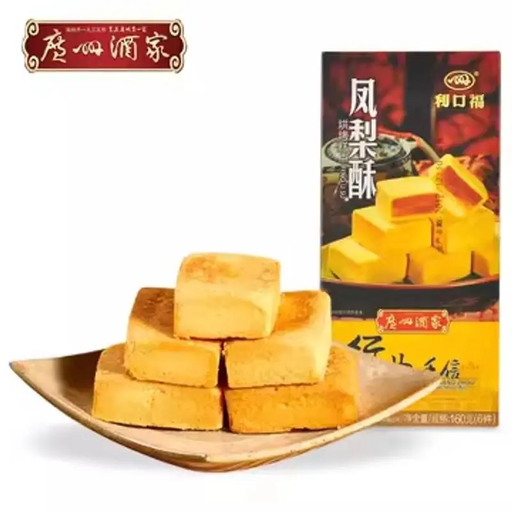
What sets it apart: This pineapple pastry comes from Guangzhou Restaurant, a time-honoured Chinese brand. It represents the classic Cantonese style, featuring a tender crust and a sweet-and-sour filling made from specially selected pineapples. The focus is on a balanced flavour profile and traditional craftsmanship.
Pros:
Best for: Fans of Cantonese cuisine and anyone looking for an authentic, traditional flavour experience. It's an excellent choice as a gift or for bringing a touch of authentic tea culture into your home.
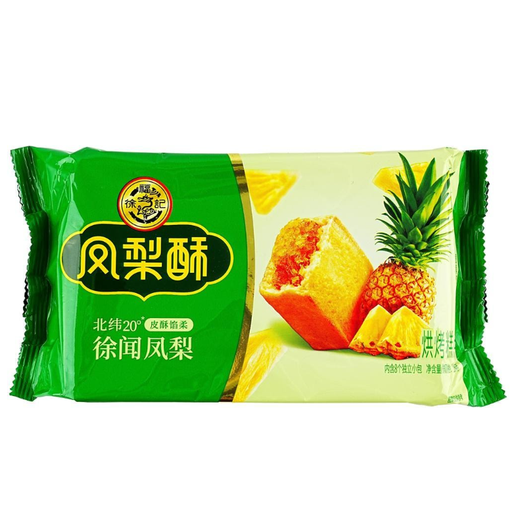
What sets it apart: This is the classic version of the pineapple cake from Hsu Fuchi. It combines a filling of winter melon and pineapple (pineapple pulp content ≥13%) for a traditionally mild and sweet flavour profile. The pastry is just as buttery and tender as you'd expect from the brand. The use of sweeteners provides a pleasant sweetness that is never overwhelming.
Pros:
Best for: Anyone who appreciates the traditional, mildly sweet flavour of Feng Li Su. It's an excellent choice for those new to Asian sweets and is perfect for pairing with a cup of tea.
The world of Asian baked goods is rich and diverse. If you'd like to explore other specialities beyond pineapple cake, or if you're looking for a variety not featured here, we invite you to browse our broader collection.
? Explore our entire range of Chinese Cakes.
1. What's the difference between Pineapple Cake and Feng Li Su? There is no essential difference. "Feng Li Su" (鳳梨酥) is the Chinese (specifically, Taiwanese) name for pineapple cake. The terms are often used interchangeably. "Pineapple Cake" is the common English translation that has gained international recognition.
2. How should I store pineapple cakes? Pineapple cakes should be stored in a cool, dry place, away from direct sunlight. Most products are individually sealed in airtight packets to preserve freshness. Once an individual packet is opened, the cake should be consumed soon after to enjoy its best texture.
3. Do pineapple cakes always contain winter melon? Not necessarily. Traditional Taiwanese recipes often include winter melon to make the filling smoother and less tart. However, many modern or "purist" varieties omit it, using 100% pineapple to achieve a more intense fruit flavour. Checking the product's ingredients list is the best way to know for sure.