
Lieferung heute & morgen

Qualitätsgarantie

Willkommens-Angebote freischalten: KOSTENLOSE Lieferung | Bis zu 80 % RABATT | Kostenlose 30-Tage-JoyPlus-Testphase
App herunterladen
The search for the perfect pineapple juice can quickly become overwhelming. The shelves are filled with bottles and cartons, all promising a refreshing, tropical delight. But the differences are in the details, and they can determine whether you get a high-quality product or a sugary disappointment. As your Joybuy Product Recommendation Officer, I'll help you navigate the common pitfalls and make an informed choice.
Before you decide on a product, it's helpful to know the most common points of confusion that often lead to a poor purchase.
To ensure you find the exact product that meets your needs, you should check three core parameters.
The German Fruit Juice and Soft Drink Regulations (Fruchtsaft- und Erfrischungsgetr?nkeverordnung) establish clear rules that help with orientation.
A close look at the ingredient list is essential. Watch out for terms like fructose, glucose syrup, or cane sugar, which indicate added sugar. Additives like stabilisers (e.g., pectin, gellan gum) or acidity regulators (e.g., citric acid) are not inherently negative—they ensure consistent texture and shelf life. However, with a tropical fruit juice, how natural the product should be is a matter of personal preference.
The intended use determines the ideal packaging.
Here are some recommendations tailored to different needs and preferences.
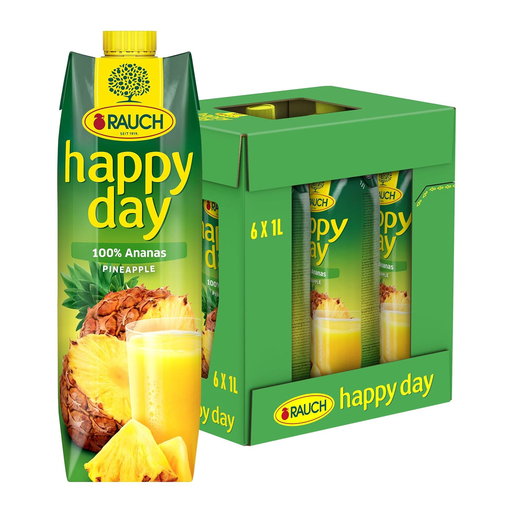
Why This Fits Their Persona: Ideal for anyone seeking a pure, unadulterated pineapple flavour without compromise. The 6x1L value pack is perfect for regular consumption in families or for stocking up.
This product avoids the juice-vs-nectar confusion by being clearly declared as 100% pineapple juice from concentrate. It contains no added sugar and delivers pure fruit flavour.
Pure juice with no preservatives. Certified vegan, vegetarian, halal, and kosher, making it suitable for a wide audience.
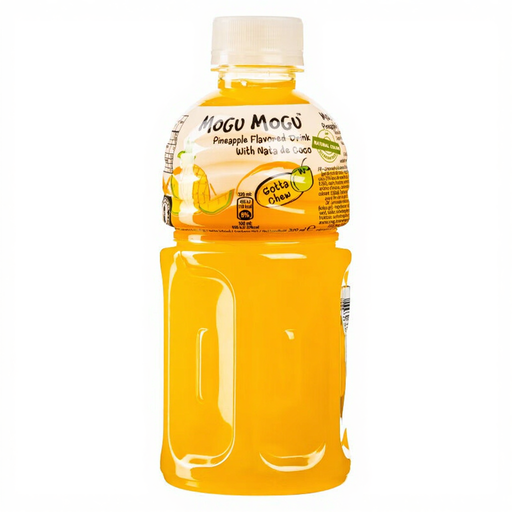
Why This Fits Their Persona: Perfect for anyone looking for a drink with a special twist. The combination of pineapple flavour and chewy coconut jelly pieces (Nata de Coco) offers a unique drinking experience on the go.
This product is clearly positioned as a pineapple drink with a special texture. It doesn't pretend to be pure juice and specifically targets consumers looking for a fun and novel product.
Unique combination of a beverage and chewy pieces (25% Nata de Coco). Convenient 320 ml bottle for immediate enjoyment.
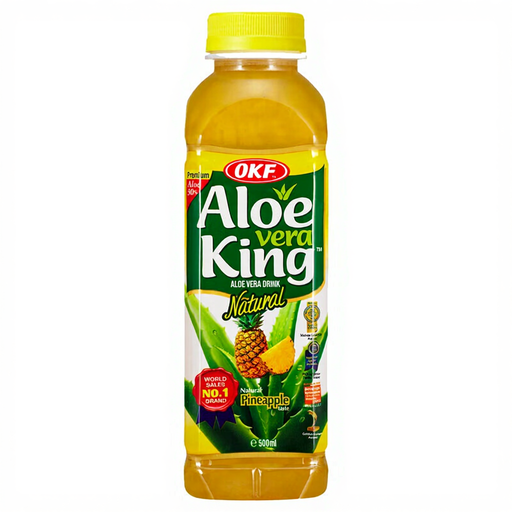
Why This Fits Their Persona: An excellent choice for consumers seeking a refreshing drink with a functional bonus. The combination of pineapple and aloe vera offers a hydrating and tastefully interesting alternative.
This product is transparently labelled as an Aloe Vera Pineapple drink. The focus is clearly on the high aloe vera content (30%), not on pure juice content, thus avoiding false expectations.
High content of real aloe vera gel and pulp for a pleasant texture. Enriched with Vitamin C and naturally fat-free.
We have compiled a complete, up-to-date list of products that fully meet these strict selection criteria and German regulations.
1. What is the exact difference between pineapple juice and pineapple nectar? The main difference is the fruit content. Pineapple juice must consist of 100% fruit, with no added sugar. Pineapple nectar has a lower minimum fruit content (50% for pineapple) and may contain added sugar and water. Nectar is often sweeter and less intense in flavour.
2. How long does opened pineapple juice last? Once opened, pineapple juice should always be stored in the refrigerator. It generally lasts for about 3 to 5 days. Products in cartons should be consumed quickly after opening, as they are more susceptible to quality loss than products in resealable bottles. Always follow the manufacturer's instructions on the packaging.
3. Is every pineapple drink suitable for cocktails? Not necessarily. For classic cocktails like the Pi?a Colada, a 100% pineapple juice is often the best choice as it provides an intense, authentic fruit flavour. However, a sweeter pineapple nectar or a pineapple fruit juice drink can be advantageous in mixed drinks where less acidity or pre-existing sweetness is desired. Drinks with pieces, like Mogu Mogu, are less suitable for traditionally mixed cocktails but can be a creative ingredient for novel drinks.