
Lieferung heute & morgen

Qualitätsgarantie

Willkommens-Angebote freischalten: KOSTENLOSE Lieferung | Bis zu 80 % RABATT | Kostenlose 30-Tage-JoyPlus-Testphase
App herunterladen
Pitted prunes, also known as dried plums, are a versatile and nutritious pantry staple. Whether as a fiber-rich snack, a natural sweetener in muesli, or a juicy ingredient in cooking and baking, their uses are endless. But when it comes to buying prunes, there are several pitfalls that can lead to disappointment. Not every product lives up to its packaging promises.
As your Joybuy Product Recommendation Officer, I'm here to help you separate the wheat from the chaff. In this guide, I'll show you what to look for to find the right pitted prunes for your needs and avoid common purchasing mistakes.
Many consumers grab a product that seems healthy and convenient at first glance, only to find it doesn't meet their expectations. Pay attention to these three points to avoid falling into the same trap:
To find the right prunes, you should focus on objective features. These three parameters will help you make your decision.
Checking the back of the package is essential.
Prunes are a well-known healthy, high-fibre snack and are often used to support normal digestion.
The origin can give a clue about the flavour profile. Plums from California are known worldwide for their size and sweetness. Products from established brands like Seeberger Prunes often represent a consistent quality standard. Asian dried plums, on the other hand, are in a category of their own. They are often marinated and dried according to special recipes, resulting in a unique, often complex sweet, salty, and sour taste.
Here are some recommendations tailored to different user profiles.

Why This Fits Their Persona: Ideal for anyone seeking a pure, unadulterated prune flavour. The large pack is perfect for regular use in the family kitchen, for baking cakes, or as an ingredient in savoury dishes like pot roast.
This product bypasses the hidden sugar trap as it is explicitly made without added sugar. The ingredients list is short and transparent, consisting only of prunes and the preservative potassium sorbate to ensure shelf life.
Natural sweetness, versatile for both sweet and savoury dishes. The renowned brand quality of Seeberger offers reliable consistency and a full-bodied flavour.
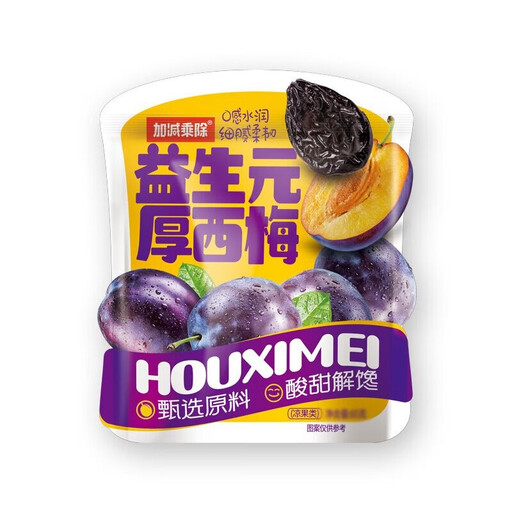
Why This Fits Their Persona: Perfect for individuals who specifically want to support their digestion and are looking for a convenient snack for work or on the go. The formulation with prebiotics directly appeals to the health-oriented user.
This product is transparent about its additives. It contains fructose syrup and oligofructose (a prebiotic) but clearly communicates this as part of its functional formula to support digestive health, rather than hiding it.
Contains oligofructose, a prebiotic that can promote gut health. The convenient 65g single-serving pack is ideal for daily needs and easy portion control.
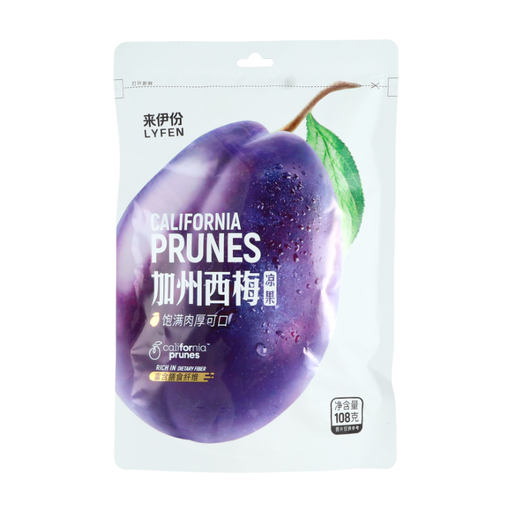
Why This Fits Their Persona: For adventurous palates looking for a change from the classic prune. This product offers the typical Asian flavour experience: a balanced mix of sweet, sour, and salty that makes it an exciting snack.
It avoids the pitfall of mismatched expectations regarding texture and taste. The description "sweet and sour with a lingering sweetness" and the ingredients list (including sugar, salt, acidity regulators) make it clear that this is a seasoned snack.
A unique, complex flavour profile that stands out from European prunes. The individual packaging makes them a hygienic and convenient snack for on the go.
We've compiled a complete, up-to-date list of products that fully meet these strict selection criteria.
1. How many prunes are recommended per day? There's no one-size-fits-all rule, but a common recommendation for adults is a small handful, which is about 4-5 prunes (approx. 40 grams). Due to their high fibre content, it's wise to start with a smaller amount and see how your body reacts, especially if you're eating them to aid digestion.
2. How can I identify high-quality prunes? You can recognise good quality by several characteristics. The prunes should have a deep dark, almost black, but shiny colour. Their skin will be wrinkled, but they should still feel plump and soft, not hard or dried out. A key indicator is the ingredients list: less is often more. Ensure they don't contain any unwanted additives.
3. Can prunes go bad, and how should I store them correctly? Yes, prunes can spoil, although they have a very long shelf life. It's best to store them in an airtight container in a cool, dry, and dark place. This way, they can last for several months. Signs of spoilage include mould or an unpleasant, sour smell. Sometimes, white crystals may form on the surface. This is usually crystallised sugar, which is a natural process and not a sign of spoilage.