
Lieferung heute & morgen

Qualitätsgarantie

Willkommens-Angebote freischalten: KOSTENLOSE Lieferung | Bis zu 80 % RABATT | Kostenlose 30-Tage-JoyPlus-Testphase
App herunterladen
The range of milk alternatives on supermarket shelves is constantly growing. But with more choice comes more uncertainty. Many products don't live up to their packaging's promises, leading to disappointment. As your Joybuy Product Recommendation Officer, I'm here to help you spot the common pitfalls and make an informed decision.
The most common problems when buying plant-based drinks are:
To avoid these issues, you should check three key parameters before buying.
A good vegan milk or lactose-free milk isn't defined by marketing slogans, but by verifiable facts. Pay attention to the following three points to make the right choice for your needs.
Your first look should always be at the ingredient list and the nutritional information table. Check the total sugar content per 100 ml. Values over 5g often indicate added sugar. Terms like glucose syrup, fructose, or maltodextrin are also indicators. A short ingredient list is often a good sign. Water, the main plant-based ingredient (e.g., oats, soy), a little oil for creaminess, and possibly added vitamins and minerals form a solid base. Thickeners like gellan gum or carrageenan aren't inherently bad, but in some products, they can make the texture feel unnatural.
Each plant base has its own properties, making it more or less suitable for specific uses:
For lovers of cappuccino or latte macchiato, the ability to froth is crucial. A good plant-based drink for coffee needs a higher fat content (usually around 3%) and often an acidity regulator like dipotassium phosphate. This ingredient prevents the drink from curdling in hot, acidic coffee and stabilises the foam. Products labelled as a "Barista Edition" are specifically formulated for this purpose.
To make your decision easier, we have selected products for three typical user profiles.
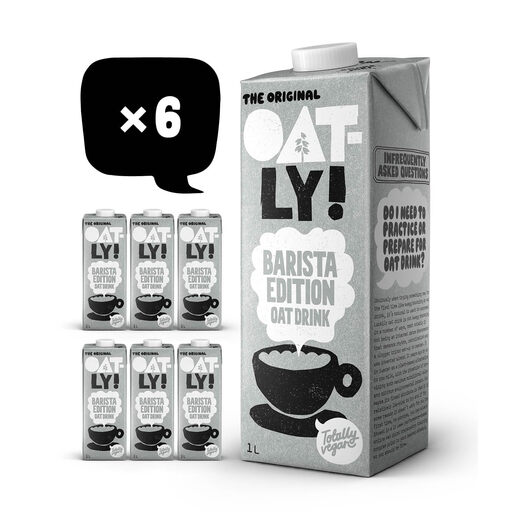
Why This Fits Their Persona: Specifically developed for coffee preparation to create a stable and fine-pored microfoam that is also suitable for latte art. A reliable choice for consistent results.
Avoids the "Barista Disappointment" with a formula containing 3% fat and an acidity regulator, ensuring high foam stability.
Consistent foam quality; enriched with vitamins (D2, B2, B12) and calcium.
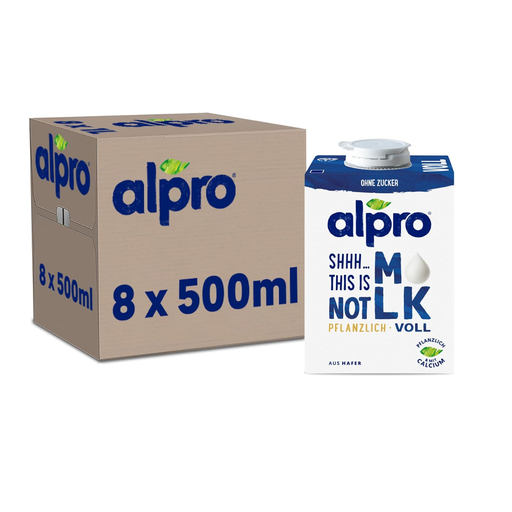
Why This Fits Their Persona: Ideal for users seeking a full-bodied, creamy taste without added sugar. This drink is versatile enough for cereal, cooking, or enjoying on its own.
Avoids the sugar trap as, according to the manufacturer, no sugar is added. The base of oat and pea protein provides a rich texture and prevents a watery taste.
Rich in fibre and a source of calcium and vitamin D2. The 3.5% fat content ensures a full flavour.
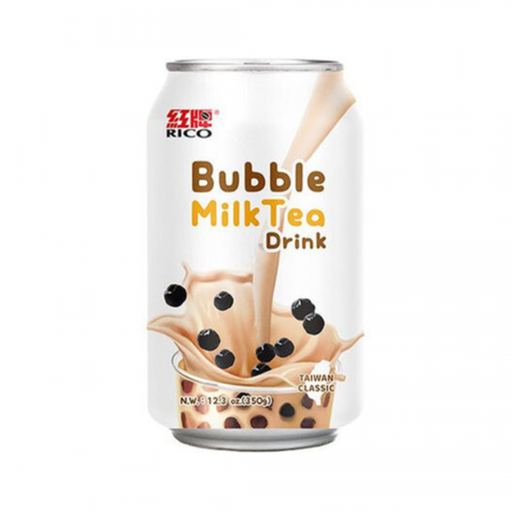
Why This Fits Their Persona: For anyone who wants to enjoy the taste of Taiwanese milk tea without the preparation effort. Ideal for on-the-go or as a quick, refreshing treat.
Delivers a ready-made taste experience that meets the expectations of a classic bubble tea, saving you from the disappointment of poorly balanced instant mixes.
Ready to drink in a can; contains starch balls (boba) for an authentic feel. Anyone specifically looking to buy bubble tea will find this a convenient solution.
We have compiled a complete, up-to-date list of products that fully meet these strict selection criteria and German regulations.
You can identify a good barista oat milk by several features. Look for the "Barista" label on the packaging. Check the ingredient list for a fat content of around 3% and the presence of an acidity regulator like dipotassium phosphate. These components are crucial for a stable, fine-pored foam that doesn't collapse immediately.
After opening, most plant-based drinks should be stored in the refrigerator and consumed within 3 to 5 days. The exact shelf life can vary depending on the manufacturer and product. A look at the packaging will provide reliable information. If the drink smells sour or its consistency has changed, it should no longer be used.
Whether a milk alternative is healthier depends on the specific product and individual dietary needs. Many plant-based drinks are naturally lactose-free milk and have fewer saturated fats. However, they can also contain added sugar and often have a lower protein content than cow's milk. A soy drink is often an exception here with its high protein content. It is advisable to compare the nutritional information to find the product that best suits your lifestyle.