
Lieferung heute & morgen

Qualitätsgarantie

Willkommens-Angebote freischalten: KOSTENLOSE Lieferung | Bis zu 80 % RABATT | Kostenlose 30-Tage-JoyPlus-Testphase
App herunterladen
Choosing the right planter is crucial for the health of your plants and the aesthetic of your home. A suitable container not only provides enough space for root growth but also blends harmoniously into your surroundings. However, with the vast array of materials, shapes, and sizes available, the decision can be overwhelming. This guide presents objective criteria and a selection of models to make your choice for your garden, balcony, or patio easier.
Before making a decision, several functional and design aspects should be considered. These criteria will help you find a durable and suitable product.
The material is a key factor in a planter's durability and maintenance requirements, especially for outdoor use.
A planter that is declared weatherproof should be able to withstand extreme temperatures as well as precipitation and sun exposure.
A critical feature for plant health is proper water drainage. Waterlogging leads to root rot and must be avoided at all costs.
Here is a curated selection of planters that stand out for their materials, design, and functionality.
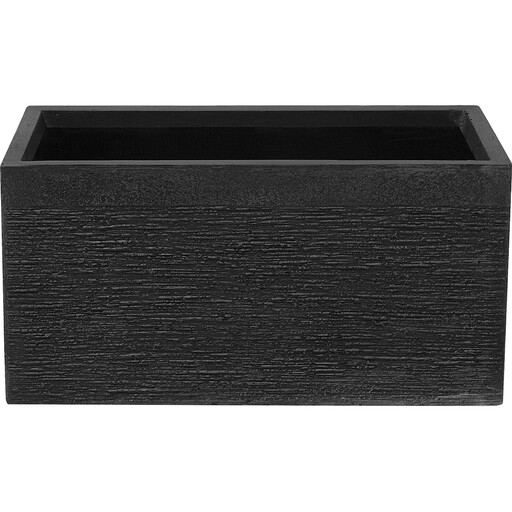
Why it stands out: The Beliani MYRA is a versatile planter distinguished by its clean lines and robust material. Its long, rectangular shape makes it an excellent choice as a privacy screen on a patio or as a stylish room divider indoors.
Advantages:
Who is it for? For users looking for a durable, low-maintenance planter for both indoor and outdoor use. It is especially suitable for balconies and patios where a modern and rectangular pot can serve as a design feature.
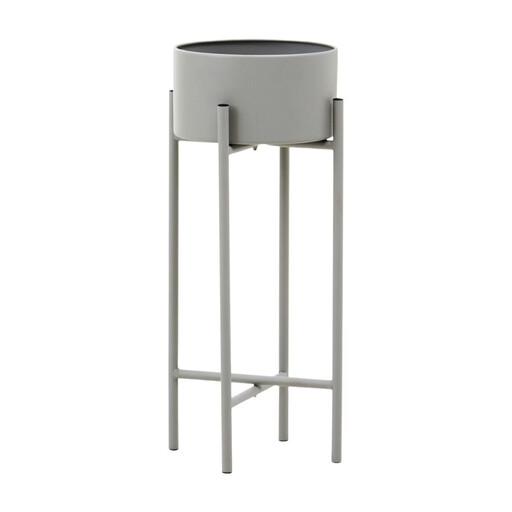
Why it stands out: This planter from Premier Housewares combines a simple pot with a delicate, crossed metal frame. The elevated design puts the plant centre stage, giving it a floating appearance.
Advantages:
Who is it for? For design enthusiasts looking for a stylish eye-catcher for their indoor space. It is perfect for single ornamental plants in living rooms, hallways, or offices.
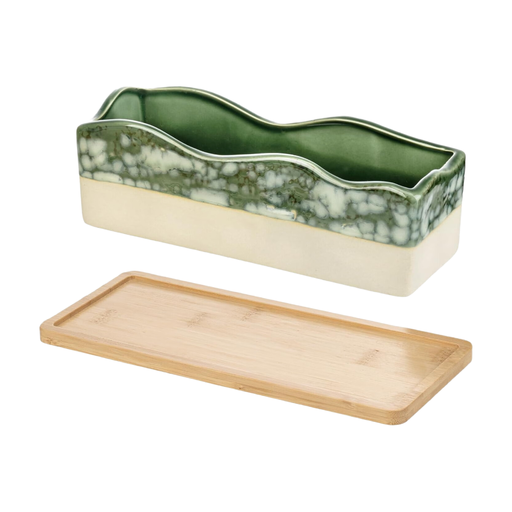
Why it stands out: This compact planter is specially designed for smaller plants like succulents or herbs. The combination of glazed ceramic and a bamboo saucer creates a look that is both natural and modern.
Advantages:
Who is it for? For anyone looking for a stylish solution for small houseplants, succulents, or a kitchen herb garden. It is an excellent choice for limited spaces.
If the models presented here don't exactly match what you're looking for, you can find a wider range of planters in our category. Discover more sizes, materials, and designs to find the perfect addition to your home.
Discover more outdoor potted plants for growing here
1. What is the best material for outdoor planters? For year-round outdoor use, materials like fibreglass, fibreclay composites, or high-quality, rust-proof plastic are often a great choice. These materials are typically designated as frost-proof and UV-resistant, making them resilient to cracking from frost and fading from the sun. Always check the manufacturer's specific information on weather resistance.
2. Does every planter need a drainage hole? For outdoor use, a drainage hole is essential to prevent waterlogging from rain. For indoor planters, you can go without one if you water very carefully and create a drainage layer of expanded clay or gravel at the bottom of the pot. However, a pot with a hole and a matching saucer is the safer option to prevent root rot.
3. How can I ensure my planter is frost-proof? Choose a model that is explicitly labelled as frost-proof by the manufacturer. Materials like terracotta are often susceptible to frost damage. To increase longevity, you can also place the planter on small "pot feet" in winter to avoid direct contact with the frozen ground and ensure proper drainage. Allowing the soil to dry out completely before the first hard frost can also help.