
Lieferung heute & morgen

Qualitätsgarantie

Willkommens-Angebote freischalten: KOSTENLOSE Lieferung | Bis zu 80 % RABATT | Kostenlose 30-Tage-JoyPlus-Testphase
App herunterladen
Selecting a mattress is a decision that should be based on technical specifications and individual physical needs. A pocket spring mattress in the 140x200 cm size is a popular choice for both individuals and couples. Its popularity stems from its unique construction: individual steel springs, each sewn into its own fabric pocket, provide high point elasticity. This means the mattress yields only where pressure is applied. This helps maintain proper spinal alignment and reduces motion transfer. Another inherent design benefit is the excellent air circulation through the spaces between the springs, which contributes to a dry and comfortable sleep environment.
When choosing a 140x200 cm pocket spring mattress, several technical specifications should be considered to make an informed decision.
A 7-zone mattress is engineered to provide targeted support to different areas of the body. The firmness of the springs varies along the length of the mattress to accommodate the weight and contours of the head, shoulders, lumbar region, pelvis, thighs, lower legs, and feet.
Such an orthopaedic mattress 140x200 aims to optimise pressure distribution and relieve muscle tension during sleep.
The firmness level indicates how firm a mattress is. The scale is not standardised, but H3 generally denotes a medium-firm to firm level. It is typically suitable for individuals with a body weight of approximately 80 to 110 kg. However, the choice of firmness also depends on your preferred sleeping position and personal preference. A 140x200 H3 mattress offers a balance between supportive firmness and responsive comfort.
While the core of a pocket spring mattress consists of steel springs, the comfort layers above it are what largely determine the feel and functional properties.
A breathable mattress is crucial for a comfortable sleep climate. The mattress cover plays a significant role in this. Materials like microfibre, Tencel, or Lyocell have moisture-wicking properties. They can absorb sweat and release it into the ambient air. For people with allergies, a removable cover that is washable at 60°C or higher is an important feature, as this helps reduce dust mites and other allergens. A mattress for allergy sufferers should therefore always have an easy-care cover.
Based on technical specifications and practical benefits, we present three models that feature properties relevant to our target audience.

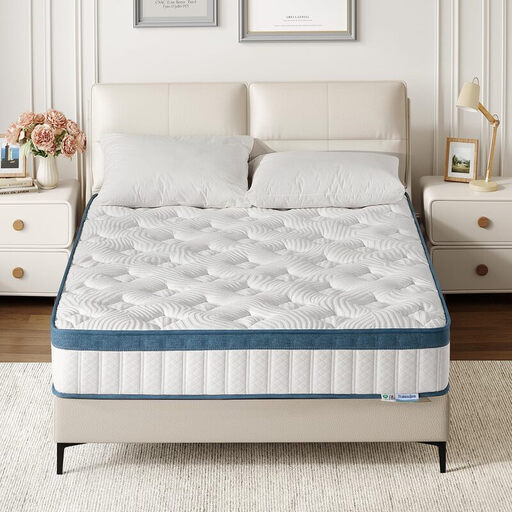

If the models presented do not exactly meet your requirements, or if you are considering other sizes and mattress types, a broader selection of sleep products may offer the right solution. You can find more options in our Bedroom Furniture and Beds category.
1. How long does a 140x200 pocket spring mattress last? The lifespan of a pocket spring mattress depends on the quality of the materials (especially the steel springs and padding), as well as its use and care. Generally, a lifespan of 7 to 10 years is considered realistic. Regularly rotating and flipping the mattress can help extend its life by preventing one-sided wear.
2. Is a pocket spring mattress suitable for side sleepers? Yes, models with a 7-zone structure are particularly well-suited for side sleepers. The softer shoulder zone allows the shoulder to sink deeper into the mattress, keeping the spine in a straight, ergonomically correct position. A hybrid mattress with an additional foam layer can further enhance comfort for side sleepers by providing extra pressure relief for the hips and shoulders.
3. What does firmness level H3 mean for a mattress? The H3 firmness level indicates a firm mattress. It is typically recommended for individuals with a body weight of approximately 80 to 110 kg. An H3 mattress provides strong support and prevents the body from sinking in too deeply. This is especially important for spinal support but may be perceived as too hard by lighter individuals or those who prefer a softer feel.