
Lieferung heute & morgen

Qualitätsgarantie

Willkommens-Angebote freischalten: KOSTENLOSE Lieferung | Bis zu 80 % RABATT | Kostenlose 30-Tage-JoyPlus-Testphase
App herunterladen
When temperatures drop, a single cold room can quickly become an uncomfortable space. Whether it's a basement home office, a drafty bedroom, or a workshop, central heating isn't always the most efficient or fastest solution. A portable heater offers a flexible and targeted source of warmth.
However, the market is vast, and the choices can be overwhelming. Which device is right for your needs? As your Joybuy Product Recommendation Officer, I've compiled the relevant information for you. This guide will help you understand the technical features and make an informed decision, steering clear of marketing hype.
To find the right small electric heater, three criteria are particularly important: heating technology, energy efficiency, and safety features.
The type of heating element is a key factor in how quickly and effectively a room is heated.
An energy-saving electric heater is not only good for the environment but also for your wallet. A crucial feature here is an integrated thermostat.
A fan heater with a thermostat automatically shuts off once the desired room temperature is reached and turns back on when the temperature drops. This prevents unnecessary continuous operation and reduces electricity consumption. Models with an additional ECO mode automatically adjust their power output based on the ambient temperature to further optimise energy use. Features like a timer also allow for scheduled operation, such as pre-heating the bathroom in the morning.
When operating an electric space heater, safety is the top priority. Look for two essential protection mechanisms:
All models featured here include these fundamental safety features.
Based on the criteria mentioned, we have curated a selection of devices that cater to different needs.
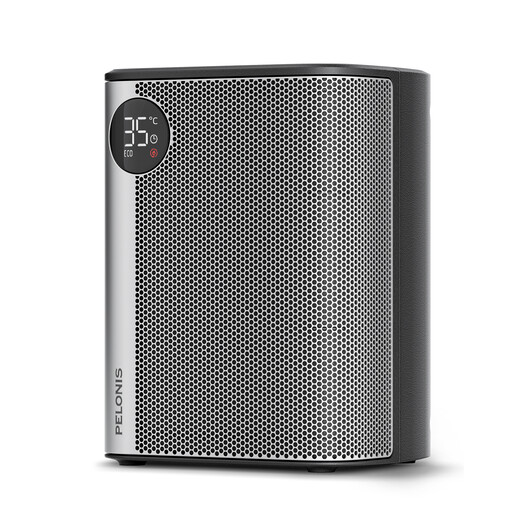
Why it stands out: This model combines rapid PTC ceramic heating technology with modern convenience features. With a 2000W output, it heats rooms quickly and is easy to operate thanks to its touch control panel and precise temperature display.
Pros:
Who is it for? Ideal for users seeking a fast and flexible heating solution for various spaces like living rooms, offices, or basements, who also value energy efficiency and modern controls.
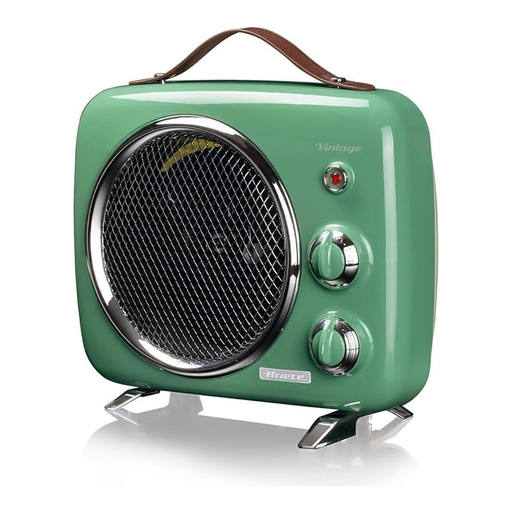
Why it stands out: The Ariete 808 combines functionality with a distinctive 1950s-style retro design. It's not just a heat source but also a visual accent for any room.
Pros:
Who is it for? Perfect for design-conscious users who need a compact small electric heater for smaller spaces like a bathroom or study and want a device that is also visually appealing.
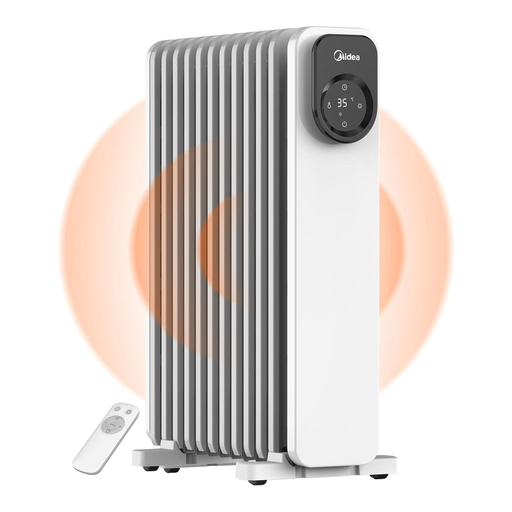
Why it stands out: As a mobile oil-filled radiator, this Midea model provides completely silent and long-lasting warmth. The remote control and LED touch panel make operation especially convenient.
Pros:
Who is it for? For anyone who prefers a constant, silent heat source for well-insulated rooms and appreciates the convenience of a remote control.
Didn't find the perfect model for your needs? There are many other types of portable heaters that vary in size, power, and features. Browse our entire collection to find the ideal solution for your home.
Discover More Portable Heaters
A device with a 2000-watt (W) output consumes 2 kilowatt-hours (kWh) per hour at full power. Assuming an electricity price of 35 cents per kWh, the running cost would be approximately 70 cents per hour. However, a fan heater with a thermostat or ECO mode does not run continuously at full power, so the actual consumption is lower in practice.
Ceramic fan heaters with PTC technology have the advantage of self-regulating heating elements that don't get as extremely hot as traditional heating coils. This can reduce the risk of overheating. However, the most critical factor for safety is certified protection features like functional tip-over and overheat protection, which every high-quality device should have.
Caution is generally advised. If you plan to run an electric space heater overnight, be sure to choose a model with a reliable thermostat, timer, and all necessary safety certifications (tip-over/overheat protection). Place the unit on a clear, stable, and non-flammable surface, and maintain sufficient distance from textiles like curtains, duvets, or furniture. Always follow the manufacturer's safety instructions.