
Lieferung heute & morgen

Qualitätsgarantie

Willkommens-Angebote freischalten: KOSTENLOSE Lieferung | Bis zu 80 % RABATT | Kostenlose 30-Tage-JoyPlus-Testphase
App herunterladen
Burnt-on milk in a stainless steel pot, stubborn crusts in a casserole dish—anyone who cooks regularly knows the battle against tough grime. A good pot scrubber seems like the simple solution. But the market is flooded with products whose promises often outweigh their actual performance. The wrong choice not only leads to frustration but can permanently ruin expensive cookware.
As your Joybuy Product Recommendation Officer, I'm here to help you navigate the common pitfalls. Instead of falling for marketing hype, you should focus on the crucial material and functional properties. This is how you'll find a cleaning sponge that truly suits your pots, pans, and cleaning habits.
Before we get to the solutions, it's important to understand the most common issues that lead to bad buys.
To find the right pot sponge, focus on three objective criteria that determine cleaning performance and durability.
The most important component is the abrasive side. The material determines which surfaces and types of dirt the scrubber is suitable for.
A good kitchen sponge should not only clean well but also stay clean itself.
Daily use should be comfortable and safe.
Instead of making a blanket recommendation, we have selected products for specific user profiles that take the above criteria into account.
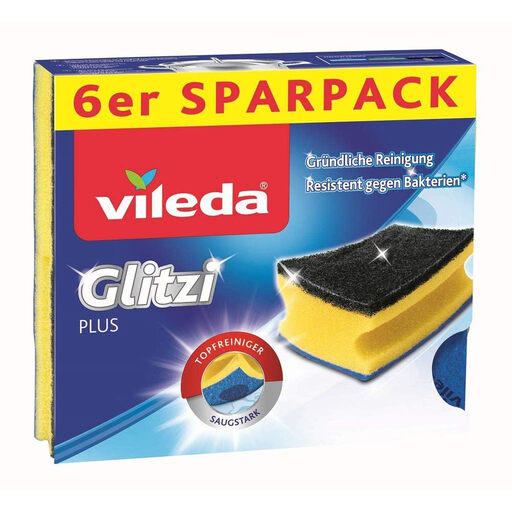
Why this product is a fit: Ideal for households looking for a reliable all-round solution for daily dishwashing—from plates to pots with normal soiling.
The dual-sided system (black scouring side, blue cloth) prevents incorrect use. The antibacterial treatment of the scouring surface (according to Vileda) counteracts the hygiene problem.
The ergonomic grip ridge protects hands and nails. The combination of strong scouring power and a gentle wiping side makes it versatile.
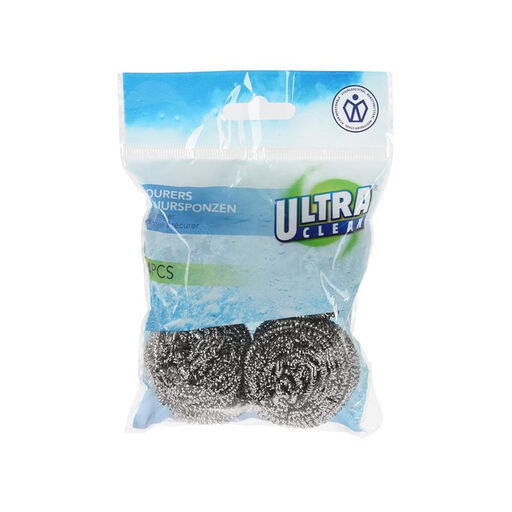
Why this product is a fit: For home chefs and grill masters who regularly work with cast iron, uncoated stainless steel, or grill grates and need maximum, uncompromising cleaning power for burnt-on messes.
This product is clearly positioned as a specialised tool. It doesn't pretend to be universally applicable, thus preventing the accidental destruction of delicate surfaces.
Maximum abrasiveness for extremely stubborn grime. According to the manufacturer, the material is tear-resistant, reusable, and rust-proof, which promises a long lifespan.
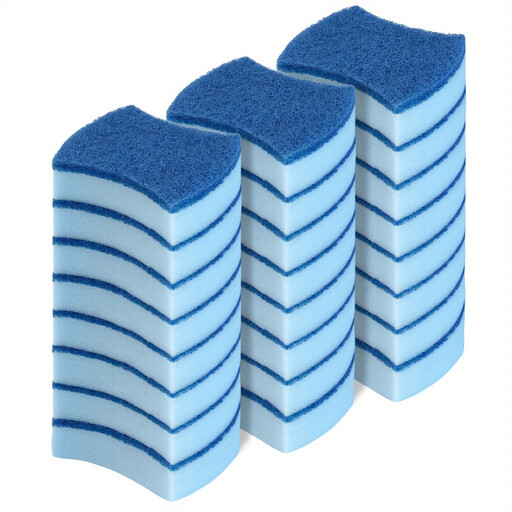
Why this product is a fit: For anyone who owns expensive non-stick pans, glass-ceramic hobs, or delicate glassware and for whom surface protection is the top priority.
This sponge resolves the "scratch-free" misconception, as it was explicitly developed for delicate surfaces. The soft scouring side cleans effectively without damaging the coating.
Safe cleaning for non-stick cookware and other delicate surfaces. The cellulose side is highly absorbent and ideal for wiping up spills.
We have compiled a complete, up-to-date list of products that fully meet these strict selection criteria.
For hygiene reasons, it is recommended to replace a conventional dish sponge every one to two weeks, especially with daily use. An unmistakable sign that it's time for a change is an unpleasant musty odour, permanent discolouration, or if the sponge begins to disintegrate. More durable models like a stainless steel pot scrubber can simply be rinsed thoroughly and last significantly longer.
No, absolutely not. The steel fibres would immediately and permanently scratch the non-stick coating (e.g., Teflon, ceramic), rendering the pan unusable. For coated cookware, only use sponges explicitly labelled as "scratch-free" or "safe for non-stick coatings".
The "antibacterial" label usually refers to a special treatment of the material, most often the scouring fibres. This treatment, for example with zinc pyrithione, inhibits the growth of bacteria within the scouring surface. This helps to reduce the formation of unpleasant odours in the sponge. However, it does not mean that the sponge disinfects dishes or surfaces. A thorough cleaning of the sponge after use remains essential.