
Lieferung heute & morgen

Qualitätsgarantie

Willkommens-Angebote freischalten: KOSTENLOSE Lieferung | Bis zu 80 % RABATT | Kostenlose 30-Tage-JoyPlus-Testphase
App herunterladen
By a Joybuy Product Recommendation Officer, August 30, 2026
Your printer flashes "Ink Almost Empty"—a notification that often comes at the worst possible time. The subsequent search for a replacement can quickly become overwhelming. Faced with a multitude of original cartridges, compatible alternatives, and remanufactured options, it's difficult to keep track. Making an uninformed decision here often means you'll pay more than necessary or, in the worst-case scenario, even risk the functionality of your device.
Before you buy new printer cartridges, you should be aware of the most common pitfalls that lead to unnecessary expenses or frustration:
To avoid these mistakes, you only need to check three basic parameters. These will help you make an informed decision based on facts, not marketing promises.
The most important step is to identify the correct cartridge number. Every printer uses a specific series of cartridges. The wrong cartridge won't fit or will be blocked by the device's software.
You can find the required number in several places:
With the correct number, you can specifically search for deals on HP printer cartridges, Canon cartridges, or Brother toner and avoid making the wrong purchase.
There are three main types of cartridges on the market, and their differences are relevant to your budget and needs.
The cost of a cartridge should always be considered in relation to its performance. The crucial metric here is the page yield, which is usually specified according to the ISO/IEC 24711 standard. It indicates how many pages (at a standard 5% coverage) can be printed with one cartridge.
This is where XL printer cartridges come into play. They contain more ink or toner than the standard version, thus offering a higher page yield. Although the initial purchase price is higher, the cost per printed page is usually much lower with XL cartridges. For users who print regularly, this is almost always the more economical choice. Anyone looking for affordable toner will find that toner cartridges for laser printers naturally offer a very high page yield, making them particularly suitable for offices and high-volume users.
To make the selection easier, we have matched some products to different user profiles.
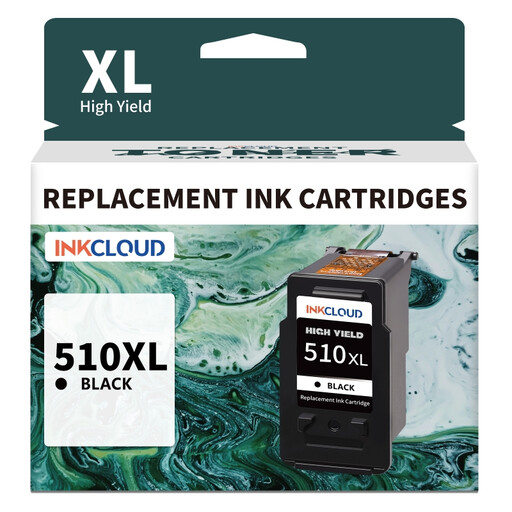
Why This Fits Their Persona: Ideal for users of common Canon PIXMA printers who only occasionally print documents like letters or homework. The focus is on low initial cost without compromising on basic functionality.
This remanufactured cartridge bypasses the high price of OEM products. As an XL version, it also offers a higher page yield than standard cartridges, thus lowering the cost per page.
A cost-effective solution for everyday document printing. Reusing original casings also reduces plastic waste.
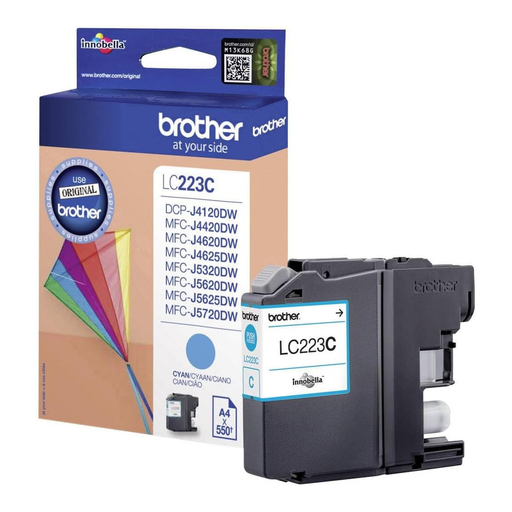
Why This Fits Their Persona: For users who value precise color reproduction, maximum reliability, and protecting their printer's warranty. Ideal for printing photos, presentations, or important business documents.
As an original Brother product, this cartridge completely avoids the compatibility trap. It is perfectly matched to the printer's hardware and software, ensuring smooth operation.
Guaranteed high print quality and reliability. According to Brother, the PTS certification for document permanence is only maintained when using genuine supplies.
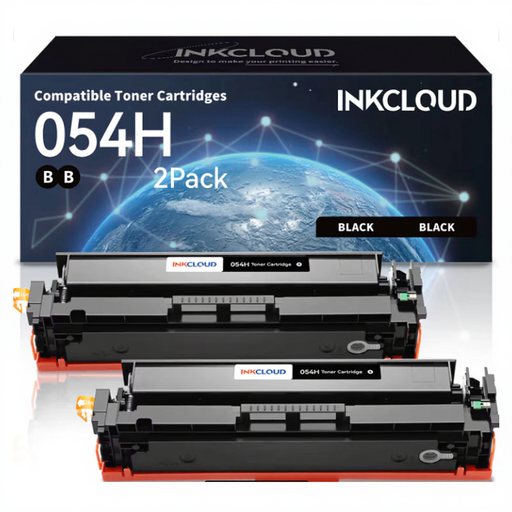
Why This Fits Their Persona: Perfect for small businesses or home offices with high printing volumes. The focus is on maximum page yield and minimal cost per page to optimize operating expenses.
This high-yield compatible toner cartridge (indicated by the "H") avoids the page yield fallacy. It is designed for high volumes and offers a significantly lower cost per page than ink cartridges.
High efficiency for professional-quality text printing. Compatibility with common Canon i-SENSYS laser printers ensures smooth integration into daily office workflows.
We've compiled a full, up-to-date list of products that fully meet these strict selection criteria and German safety regulations.
The surest way is to read the model designation directly from the old cartridge you are replacing. Alternatively, you can find this information in your printer's manual or on a sticker inside the device. Search online for this exact number (e.g., "Canon PG-545") to avoid incorrect purchases.
With products from reputable third-party manufacturers, the risk of damage is very low. These manufacturers invest in quality assurance to ensure a correct fit and function. However, it is advisable to pay attention to customer reviews and the provider's reputation. Using original cartridges is the only way to preserve the printer's manufacturer warranty in all cases.
It's best to store ink and toner cartridges in their sealed original packaging in a cool, dry place away from direct sunlight. Extreme temperatures can damage the ink or toner powder. Storing them upright or flat according to the packaging instructions helps maintain quality until installation. Opened cartridges should be used promptly.