
Lieferung heute & morgen

Qualitätsgarantie

Willkommens-Angebote freischalten: KOSTENLOSE Lieferung | Bis zu 80 % RABATT | Kostenlose 30-Tage-JoyPlus-Testphase
App herunterladen
Finding a convenient snack that's both nutritious and fits an active lifestyle can be a challenge. Protein bars offer a convenient way to fuel your body between meals or around your workouts. However, the market is vast, and the differences in ingredients can be significant.
This guide is designed to help you understand the various options available. We provide objective information on nutritional values, ingredients, and specific features so you can make an informed decision that meets your needs.
To find the right bar for your goals, paying attention to the details is crucial. Three criteria can help guide your choice.
Protein content is a key feature. A typical fitness bar often contains between 15 and 25 grams of protein per serving. The protein sources vary widely: whey and milk protein are common, while soy, pea, or rice protein are frequently found in plant-based alternatives. The choice depends on personal preferences and any potential intolerances.
Many bars are labelled as low-sugar. This means their content of simple and double sugars is minimal. Instead, sugar alcohols (polyols) like maltitol or erythritol are often used as sweeteners. These have fewer calories than sugar but can have a laxative effect if consumed in excess. A look at the nutrition facts table will reveal the exact sugar and polyol content.
The ingredient list provides insight into the bar's quality. A nut bar, for example, is primarily based on nuts, delivering healthy fats and fibre alongside protein. For those who prioritise sustainability, look for products with an organic certification. For individuals with coeliac disease or gluten sensitivity, the gluten-free label is a key selection criterion.
Based on the criteria above, we have curated a selection of bars that cater to a variety of needs.
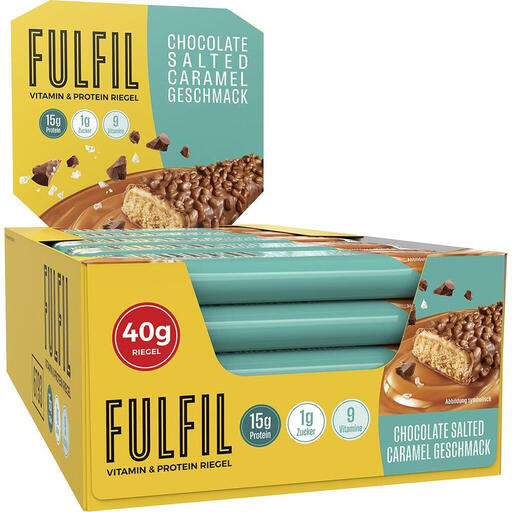
This bar combines high protein content with an added vitamin blend. The Salted Caramel flavour is a popular choice among consumers.
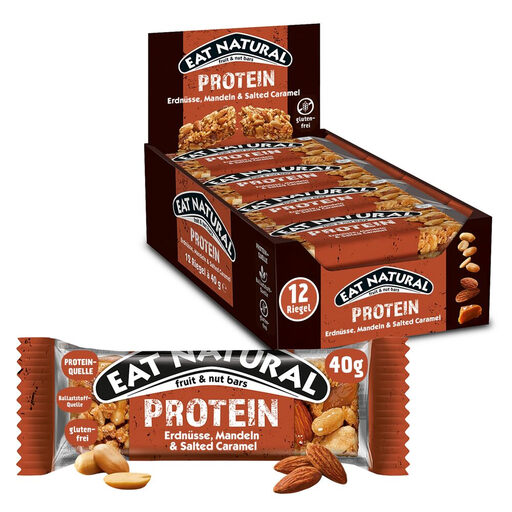
This nut bar is built on a foundation of natural ingredients and has a crunchy texture. It is certified gluten-free.
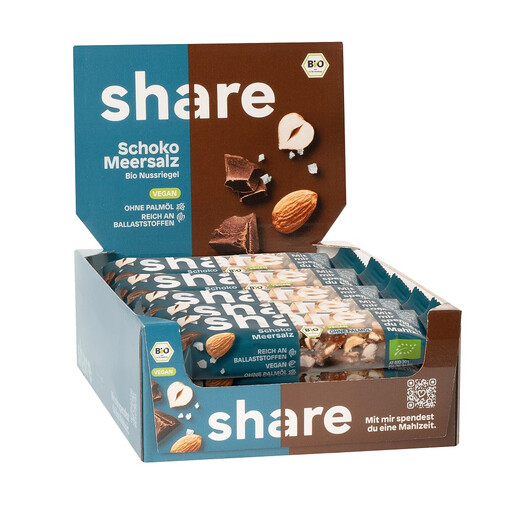
This organic nut bar combines high-quality ingredients with a social mission. It is high in fibre and vegan.
The world of snacks is diverse. If you want to explore more flavours or bars with different nutritional profiles, you can find a wider selection in our category.
? Discover More Sweet and Savoury Nut Bars Here
1. When is the right time to eat a protein bar? A protein bar can be used flexibly. Many people consume one within 30 to 60 minutes of a workout to support muscle recovery. It also works well as a filling snack between meals to prevent cravings, or as a quick source of nutrition when there's no time for a full meal.
2. Are protein bars suitable for daily consumption? Protein bars can be a supplement to a balanced diet, but they should not replace it. It is advisable to check the nutrition facts and ingredient lists and to factor consumption into your total daily intake of calories, protein, and sugar. Products with a high content of sugar alcohols should be consumed in moderation.
3. What should I look for when buying protein bars in bulk packs? A bulk pack is often more cost-effective and convenient. Before buying, check the best-before date to ensure you can consume the bars in time. They should be stored in a cool, dry place, as recommended by the manufacturer, to preserve their quality and taste.