
Lieferung heute & morgen

Qualitätsgarantie

Willkommens-Angebote freischalten: KOSTENLOSE Lieferung | Bis zu 80 % RABATT | Kostenlose 30-Tage-JoyPlus-Testphase
App herunterladen
With a huge selection on the market, finding the right protein bar can be a complicated task. Many products advertise a high protein content, but a closer look at the ingredients often reveals an unexpectedly high amount of sugar or hard-to-understand components. This guide is here to help. It outlines objective criteria for making your choice and presents a selection of bars that meet different needs—from low-sugar snacks to vegan alternatives.
To make an informed decision, it's helpful to consider a few fundamental aspects. The following points will help you correctly interpret nutrition facts and ingredient lists.
A high-protein bar should live up to its name. Pay close attention to the ratio of protein to carbohydrates and sugar. A product with 20 grams of protein but also 25 grams of sugar is more of a candy bar than a functional fitness bar. Specifically look for a low-sugar protein bar. A value of under 5 grams of sugar per bar is a good benchmark. The total carbohydrate content is also relevant, especially if you need a low-carb bar for a carbohydrate-reduced diet.
Not all protein is created equal. Most bars are based on milk protein (whey or casein) or collagen hydrolysate. These animal-based sources are efficiently absorbed by the body. However, for those following a plant-based diet, there are numerous vegan protein bars available. These use proteins from peas, soy, hemp, or rice. When choosing, make sure the protein source is right for you, also considering potential allergies or intolerances.
A short and understandable ingredient list is often a good sign. Many bars use sugar alcohols like maltitol, xylitol, or erythritol to reduce the sugar content. These can have a laxative effect if consumed in excess, which must be noted on the packaging. Fibres like polydextrose or oligofructose contribute to satiety but can also lead to digestive issues in sensitive individuals.
Based on the criteria above, we have compiled a selection of products that cater to various needs.
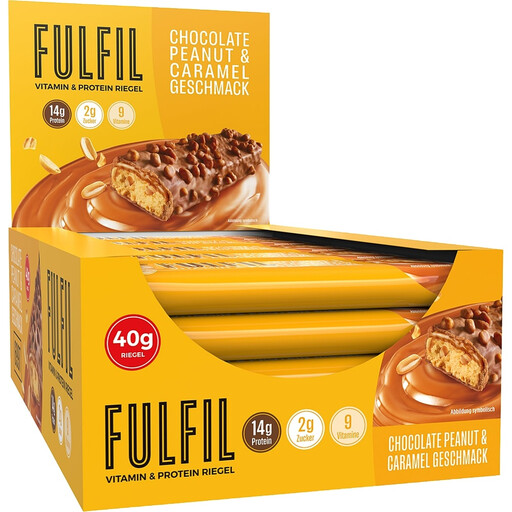
Why it stands out: The Fulfil bar combines protein with an additional function. According to the manufacturer, it not only delivers over 14 grams of protein per 40-gram bar but also 9 different vitamins, including Vitamin C, E, and several B vitamins.
Pros:
Who it's for: Individuals looking for a snack that is not only rich in protein but also fortified with vitamins. Ideal for an active lifestyle where convenient nutrition is a priority.

Why it stands out: This bar is specifically designed for a low-carbohydrate diet. With 20 grams of protein and, according to the manufacturer, under 3 grams of net carbs per bar, it fits well into a keto or low-carb eating plan.
Pros:
Who it's for: Fitness enthusiasts and individuals following a ketogenic or low-carb diet who need a snack to support muscle growth and blood sugar stabilization. The convenient box of 12 protein bars is ideal for stocking up.
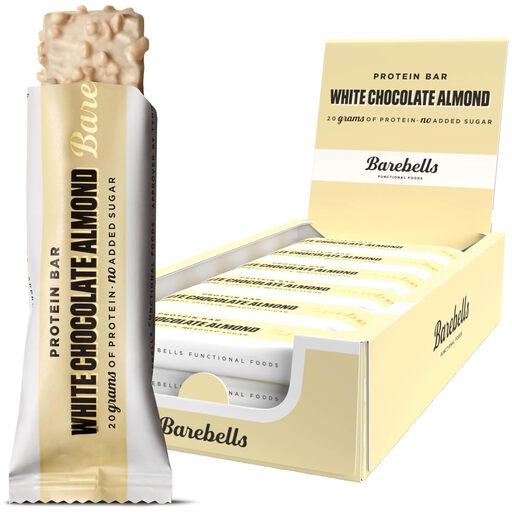
Why it stands out: Barebells bars are known for their taste, which is often compared to that of conventional chocolate bars, yet they have an extremely low sugar content.
Pros:
Who it's for: Anyone who doesn't want to compromise on taste but still wants a functional, high-protein, low-sugar snack. Suitable as a post-workout reward or as a satisfying healthy snack between meals.

Why it stands out: This bar is a purely plant-based option. It uses a protein blend of pea and hemp protein, making it a great choice for vegans or individuals with lactose intolerance.
Pros:
Who it's for: Vegans, vegetarians, and anyone who prefers a plant-based protein source. It serves as a convenient, high-protein snack for on the go or to supplement a plant-based diet.
This selection represents just a small fraction of the available range. Tastes and dietary requirements are individual. If you are looking for other varieties or different flavours, you can find additional alternatives in our broader product category.
Explore our full range of Chocolate Protein Bars and find more options that fit your goals.
A protein bar can be used flexibly. Many athletes consume it within 30 to 60 minutes after a workout to support muscle recovery. However, it also works well as a filling snack between meals to prevent cravings, or as a quick source of protein when there's no time for a full meal.
Whether a protein bar can be considered a healthy snack largely depends on its composition. A bar with high protein content, low sugar, and few artificial additives can be a functional addition to a balanced diet. However, it should not serve as a complete replacement for nutrient-dense, whole foods like fruits, vegetables, or lean protein.
For a low-carb bar, it's not just the sugar content that matters, but the total "net carbs." This is often calculated by subtracting polyols (sugar alcohols) and a portion of the fibre from the total carbohydrates. Pay attention to the type of sweeteners used (e.g., erythritol instead of maltitol, as it has less impact on blood sugar) and an adequate fibre content to promote satiety.