
Lieferung heute & morgen

Qualitätsgarantie

Willkommens-Angebote freischalten: KOSTENLOSE Lieferung | Bis zu 80 % RABATT | Kostenlose 30-Tage-JoyPlus-Testphase
App herunterladen
The selection of protein bars in supermarkets and online can be overwhelming. Whether as a quick post-workout snack, an alternative to candy, or a supplement to a healthy diet, the right bar can be a convenient addition. However, the differences in nutritional values, ingredients, and protein sources are significant.
This guide is designed to give you objective information and clear criteria. The goal is to simplify your decision and help you find a bar that suits your individual needs, without being swayed by marketing claims.
To find the right protein bar, checking the label is crucial. The following three points will help you navigate your options.
The main purpose of a protein bar is to provide a boost of protein. A good bar should have a significant protein content, typically between 15 and 25 grams. Pay attention to the protein-to-calorie ratio.
Another key aspect is the sugar content. Many bars are marketed as healthy snacks but contain high amounts of added sugar. Look for sugar-free protein bars or those with a very low sugar content, often under 3 grams per bar. These typically use sugar alcohols (polyols) like maltitol or erythritol as sweeteners. For a low-carb diet, special low-carb bars are designed to have not only minimal sugar but also a low total carbohydrate count.
Not all protein is created equal. The origin of the protein affects both its nutritional quality and its suitability for different dietary needs.
A short, easy-to-understand ingredient list is often a good sign. Watch out for fillers like polydextrose or collagen hydrolysate, which are used to add bulk. The type of fat used is also relevant; some bars are specifically formulated without palm oil.
A note on sweeteners: Products containing more than 10g of polyols per 100g must include a warning that excessive consumption may have a laxative effect. This is a normal characteristic of these sugar alcohols and is harmless for most people in moderate amounts.
Based on the criteria above, we've curated a selection of bars that stand out for their unique features.
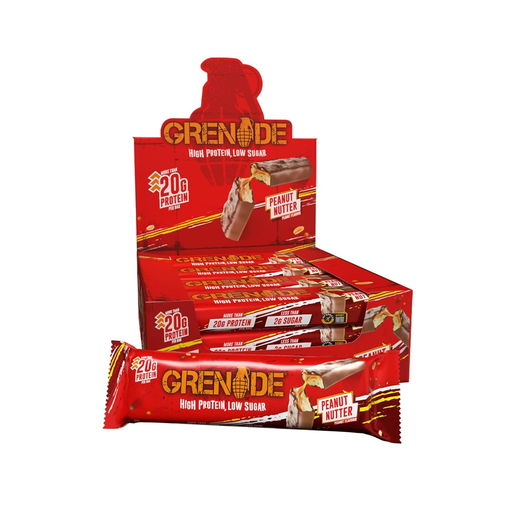
This bar is famous for its unique texture. It combines a soft base with a layer of caramel and real peanut pieces, all coated in milk chocolate.
Why It Stands Out: The Grenade Carb Killa is distinguished by its high protein content and exceptionally low sugar. Its multi-layered structure delivers a taste experience reminiscent of a classic candy bar.
Pros:
Who It's For: For athletes and fitness enthusiasts who want a high-protein, low-sugar bar without sacrificing intense flavour and a crunchy texture.
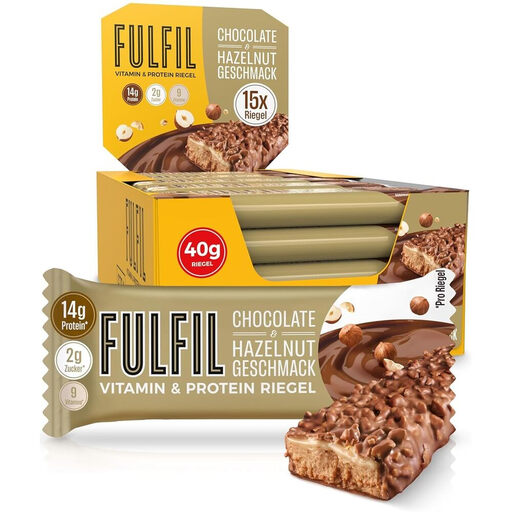
The FULFIL bar is positioned as a functional snack that not only delivers protein but is also fortified with vitamins.
Why It Stands Out: This bar's unique feature is its combination of protein and a vitamin blend. According to the manufacturer, each 40g bar provides 30% of the nutrient reference value for 9 different vitamins.
Pros:
Who It's For: For health-conscious individuals looking for a light, low-calorie snack for in-between meals who also value the added nutritional boost from vitamins.
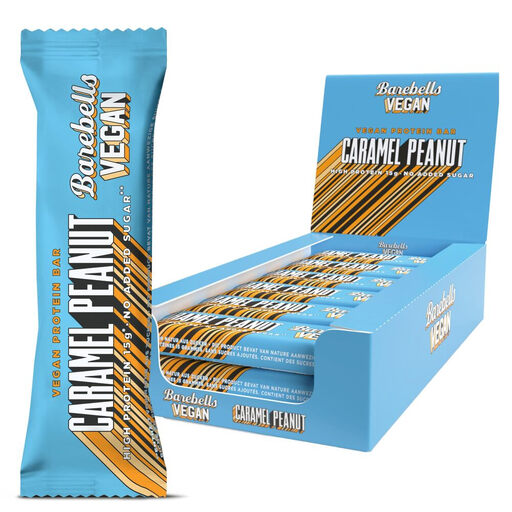
This bar from Barebells offers a purely plant-based alternative without compromising on taste or protein content.
Why It Stands Out: As a vegan protein bar, it is completely free of animal-derived ingredients and palm oil. The protein base is a blend of wheat and soy protein.
Pros:
Who It's For: For anyone following a vegan diet or who prefers a plant-based protein source. It's also an excellent choice for those who want to avoid palm oil and are looking for a peanut-caramel flavoured snack.
Didn't see your favourite flavour or brand? The world of fitness bars is diverse, with the perfect solution for every need.
? Explore our full range of Protein Bar Snacks to compare more flavours, brands, and nutritional profiles.
A good protein bar is defined by a balanced nutritional profile. This includes a high protein content (typically over 15g), a low sugar content (under 5g), and a clean ingredient list without unnecessary fillers. The choice of protein source (animal or plant-based) depends on your personal dietary preferences.
Protein bars are primarily designed as a healthy snack, not a complete meal replacement. While they can be filling, they lack the variety of micronutrients (vitamins, minerals, fibre) that a balanced meal made from whole foods provides. They can bridge the gap in exceptional situations but should not be used as a regular substitute.
A protein bar can be eaten at various times. Many athletes consume one within 30 to 60 minutes post-workout to support muscle recovery. However, it also works perfectly as a high-protein snack between meals to curb cravings, or as a healthier alternative to a conventional candy bar in the afternoon.