
Lieferung heute & morgen

Qualitätsgarantie

Willkommens-Angebote freischalten: KOSTENLOSE Lieferung | Bis zu 80 % RABATT | Kostenlose 30-Tage-JoyPlus-Testphase
App herunterladen
The selection of protein bars on the market can be overwhelming. Whether as a quick post-workout snack, a high-protein supplement for muscle growth, or a convenient on-the-go snack for daily life—the right bar should align with your individual goals and dietary needs.
This guide is designed to provide you with clear, objective information. We will introduce various criteria to help you make an informed decision and present a selection of products with different specialisations. This way, you can purchase a protein bar that truly meets your requirements.
To find the right protein bar, it's helpful to compare a few basic product features. The following points offer guidance for your selection.
Protein content is a key criterion, especially if you're looking for protein bars for muscle building. Products on the market typically contain between 10 and 25 grams of protein per bar. According to Regulation (EU) No 432/2012, protein contributes to the growth and maintenance of muscle mass.
The protein sources also vary:
Many health-conscious consumers specifically look for low-sugar snacks. A protein bar with no sugar or a very low sugar content can be a great choice to help keep blood sugar levels stable and avoid unnecessary calories.
Pay attention to the nutrition facts and the ingredients list. Sugar alcohols (polyols) like maltitol or erythritol are often used as sweeteners. These have fewer calories than sugar but can have a laxative effect if consumed in excess.
Besides protein and sugar, other ingredients may be relevant to your decision:
Here you will find a curated selection of protein bars that stand out for their specific features. The descriptions are based on information provided by the manufacturers.
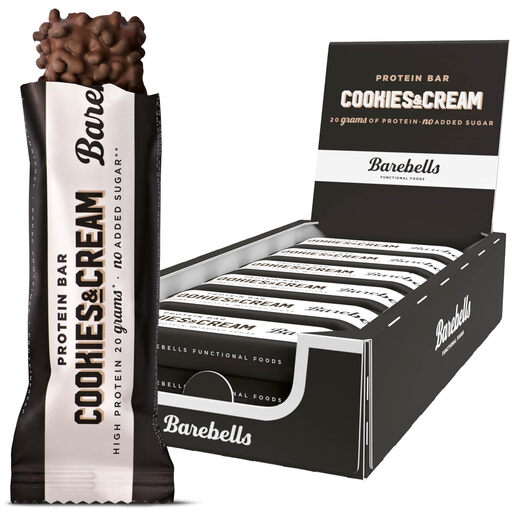
Why It Stands Out: This bar combines high protein content with very low sugar and is also palm oil-free. The Cookies & Cream flavour, coated in milk chocolate, makes it a popular choice for anyone looking for a delicious fitness bar.
Benefits:
Who Is It For? Individuals looking for a high-protein, low-sugar snack for post-workout or between meals, who also value great taste.
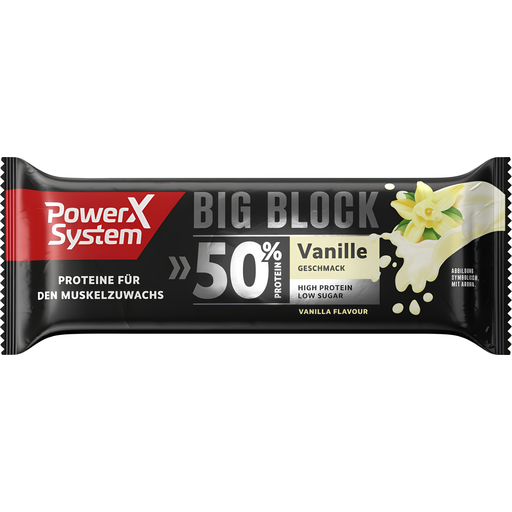
Why It Stands Out: With a 50% protein content, the Big Block from Power System is designed for maximum protein intake. This 100 g bar delivers a substantial amount of protein, making it ideal for intense training sessions.
Benefits:
Who Is It For? Athletes and fitness enthusiasts with very high protein needs who are looking for a bar to support intensive muscle-building phases.
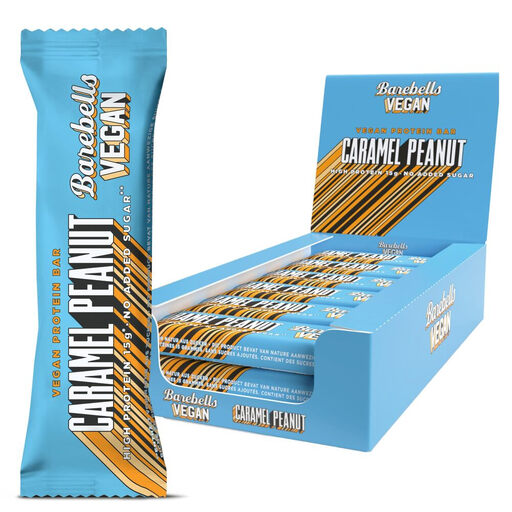
Why It Stands Out: This bar offers a purely plant-based protein source, making it an ideal vegan protein bar. It combines a protein blend of wheat and soy with the taste of peanuts and caramel, all with no added sugar.
Benefits:
Who Is It For? Individuals who follow a vegan diet or prefer a plant-based protein alternative without compromising on taste and a solid protein content.
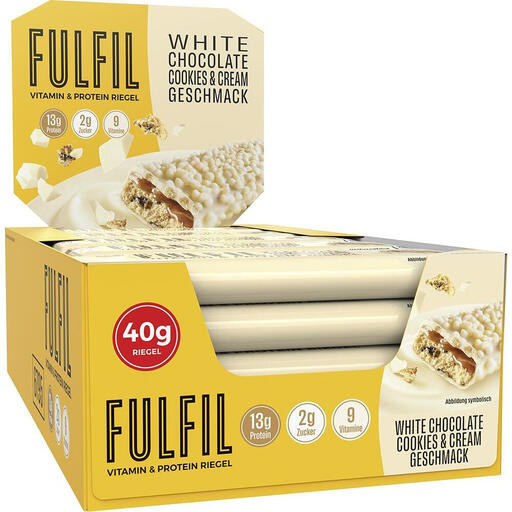
Why It Stands Out: The FULFIL bar stands out from other products by being fortified with nine different vitamins. It offers a moderate amount of protein and is also low in sugar, making it a multifunctional snack.
Benefits:
Who Is It For? Anyone looking not just for a protein boost but also an extra supply of vitamins in their snack, who prefers a light, calorie-conscious bar.
The products featured here already cover a broad spectrum. However, if you are looking for other flavours, specific protein sources, or different product formats like powders, you can find more alternatives in our comprehensive category.
Explore the full range of products for Muscle Building & Protein.
A protein bar can be used flexibly. Many athletes consume one within 30 to 60 minutes post-workout to support muscle recovery. However, it also works well as a high-protein snack to bridge hunger gaps or as a convenient on-the-go option.
Protein bars are a convenient source of protein. According to the EU Health Claims Regulation, protein is proven to contribute to the growth and maintenance of muscle mass (EU Register ID: 1288). A bar alone does not lead to muscle growth; it must be part of a balanced diet and a suitable training programme.