
Lieferung heute & morgen

Qualitätsgarantie

Willkommens-Angebote freischalten: KOSTENLOSE Lieferung | Bis zu 80 % RABATT | Kostenlose 30-Tage-JoyPlus-Testphase
App herunterladen
Whether for post-workout recovery, a quick office snack, or a healthier alternative to candy, the demand for convenient and nutritious snacks is high. Protein bars have emerged as a popular solution. However, the market is flooded with an overwhelming variety of products that differ significantly in taste, price, and, most importantly, nutritional content.
This guide is designed to give you clear direction. We'll outline objective criteria to help you choose and present a curated selection of products so you can buy the right protein bar for your needs.
To find the right fitness bar for your goals, it helps to understand a few key features. The following points will help you objectively compare products.
Protein content is often the deciding factor. Bars can contain anywhere from 10 to over 20 grams of protein.
The protein comes from various sources, such as whey, casein, soy, or plant-based blends (e.g., from peas or rice).
The sugar content is a frequently overlooked aspect. Many bars marketed as healthy contain a significant amount of sugar. A close look at the nutrition label is therefore essential.
Pay attention to the "of which sugars" line. A low-sugar bar is often the better choice. Many manufacturers use sugar alcohols (polyols) like maltitol or erythritol instead. These have fewer calories than sugar but can have a laxative effect if consumed in excess, as noted on some product packaging. A sugar-free protein bar or one with very little sugar is usually preferable for a health-conscious diet.
A short, understandable ingredient list can be an indicator of a less processed product. Bars with whole-food ingredients like nuts as their primary component are a great option. These nut bars provide healthy fats and fibre in addition to protein. Fibre also contributes to satiety and supports digestion.
Based on the criteria above, we have compiled a selection of different protein bars that cater to various needs.
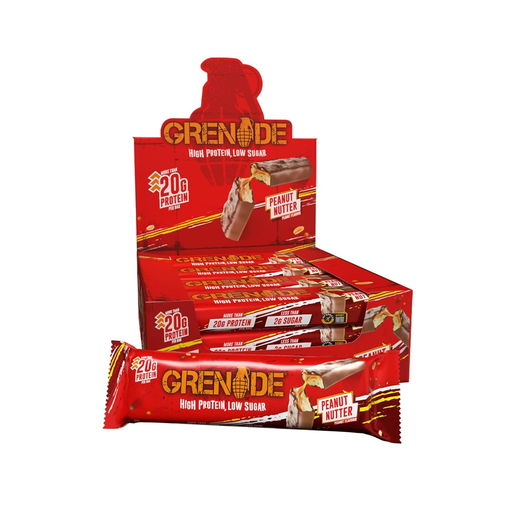
Why it stands out: The Grenade Carb Killa bar is known for its complex, multi-layered texture, reminiscent of a traditional candy bar. It combines a soft core with a layer of caramel, peanut pieces, and a milk chocolate coating.
Benefits:
Who is it for? Ideal for those seeking a high-protein, post-workout snack that tastes like a classic candy bar but has an optimised nutritional profile.
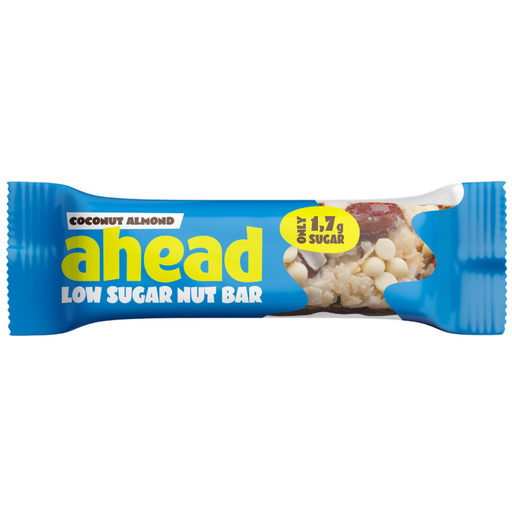
Why it stands out: This nut bar clearly focuses on natural ingredients like almonds and coconut, combined with sugar-free chocolate. It's designed as a snack to provide sustained energy.
Benefits:
Who is it for? Perfect for health-conscious individuals looking for a nut-based healthy snack with minimal sugar to enjoy at the office or to beat the afternoon slump.
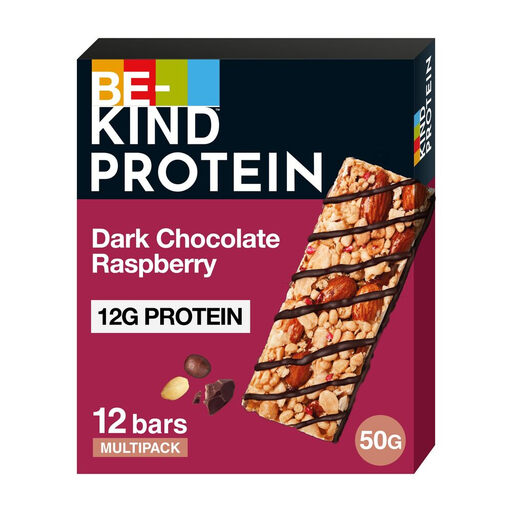
Why it stands out: The BE-KIND Protein bar is distinguished by having nuts as its main ingredient. The combination of dark chocolate, whole nuts, and raspberries creates a balanced flavour profile.
Benefits:
Who is it for? For those who prefer a balanced protein bar with recognisable ingredients and a fruity, tart flavour as a nutritious snack.
The world of snacks is vast. If the products featured here don't quite match what you're looking for, or if you're searching for different flavours and bar types, you might find the perfect fit in our wider selection.
Discover our entire range of snack bars here.
The ideal time depends on your personal goals. Many athletes consume a protein bar within 30 to 60 minutes after a workout to support muscle recovery. However, it can also serve as a filling snack to bridge the gap until your next meal or as a smarter choice when a craving for sweets hits.
Whether a protein bar can be classified as a healthy snack largely depends on its composition. A sugar-free protein bar or one that's low in sugar, contains high-quality protein, fibre, and unsaturated fats from nuts can be a valuable addition to a balanced diet. However, it's important to check the nutrition facts and ingredient list, as it is a processed food and should not replace a whole-food meal.
Protein bars alone do not cause weight loss. However, they can be a supportive tool within a calorie-controlled diet. Protein has a high satiety effect, which can help control overall calorie intake and prevent cravings. A low-sugar bar is preferable in this case, as excess sugar can hinder weight loss. The key is always maintaining a calorie deficit throughout the day.