
Lieferung heute & morgen

Qualitätsgarantie

Willkommens-Angebote freischalten: KOSTENLOSE Lieferung | Bis zu 80 % RABATT | Kostenlose 30-Tage-JoyPlus-Testphase
App herunterladen
The market for protein bars is vast and confusing. Whether it's a quick protein bar after a workout, a low-carb bar for a midday snack, or a supposedly healthy protein snack, the packaging makes big promises. But not every bar marketed as a "fitness bar" delivers on its claims. Upon closer inspection, many products turn out to be candy bars with added protein. To help you avoid the common marketing traps when buying protein bars, we'll show you what to look for.
Before you decide on a box of protein bars, you should be aware of the typical weaknesses often hidden behind appealing packaging.
To find the right protein bar for your goals, you should check three core parameters. These will help you objectively evaluate a product's quality.
A good benchmark for a functional protein bar is at least 15 grams of protein per bar. Check the ingredients list to identify the protein source. High-quality sources include whey protein, casein, and milk protein. For a plant-based diet, combinations of pea, rice, or hemp protein are a good choice as they complement each other's amino acid profiles. Collagen should not be the primary protein source if your goal is muscle growth.
A high-quality sugar-free protein bar should ideally contain less than 5 grams of sugar per bar. Many manufacturers replace sugar with sugar alcohols (polyols) like maltitol, sorbitol, or xylitol. These have fewer calories and a lower impact on blood sugar levels. However, be aware of the warning that excessive consumption can have a laxative effect. This is particularly relevant if you consume several bars a day.
Fiber contributes to satiety and supports healthy digestion. A content of 5 to 10 grams per bar is a good amount. The total calorie count should match your goal: a 200 kcal bar is a great snack, while a bar with over 350 kcal is more suitable as a meal replacement after an intense workout.
Based on these objective criteria, we have compiled a selection of protein bars suitable for different needs and goals.
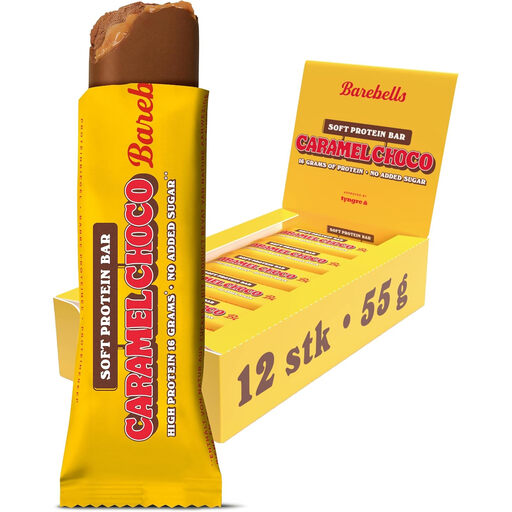
Why This Fits Their Persona: Ideal for those seeking a delicious snack that rivals a traditional candy bar but offers better nutritional value. Perfect for a guilt-free afternoon treat.
This bar bypasses the sugar trap by containing only 2g of sugar per bar despite its sweet taste, relying on sweeteners instead.
Offers a soft texture with creamy caramel and a chocolate coating. Delivers 16g of protein per bar, making it a well-balanced protein snack.
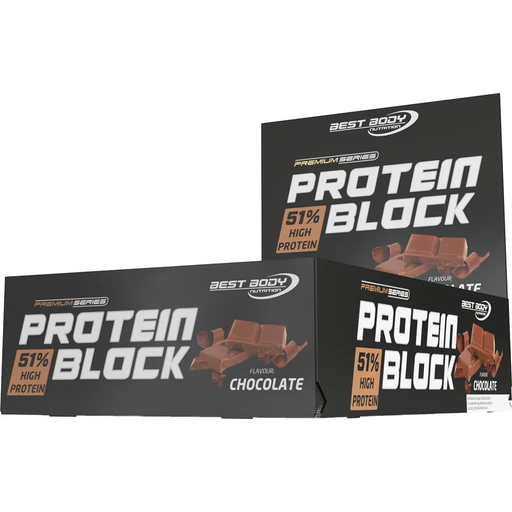
Why This Fits Their Persona: Designed for athletes with high protein needs who are looking for a functional post-workout protein bar to support muscle growth and recovery. The focus is clearly on nutrient delivery.
This bar avoids the low-quality protein pitfall by using a blend of collagen hydrolysate, milk protein concentrate, and calcium caseinate to achieve a very high total protein content.
Extremely high protein content of 51% (45g per 90g bar). The soft texture and chocolate coating make it enjoyable to eat despite its high protein density.
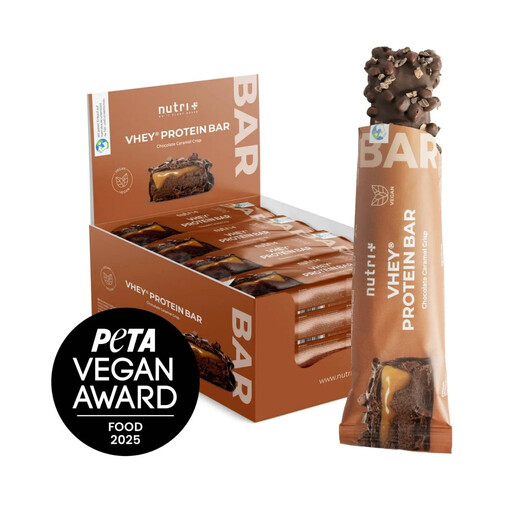
Why This Fits Their Persona: Specifically for individuals following a vegan diet who are looking for a purely plant-based protein snack. It's suitable for anyone who values conscious ingredient selection.
This bar transparently relies on a blend of pea and hemp protein, thus avoiding the trap of hiding animal-based proteins like collagen in a bar marketed as 'healthy'.
Purely plant-based protein sources with 13g of protein per bar. The bar is also enriched with fiber and offers a balanced alternative to conventional bars.

Why This Fits Their Persona: Perfect for individuals following a low-carb or ketogenic diet. This bar delivers high protein with minimal carbs and sugar, without compromising on taste.
It addresses the 'hidden carbs' trap by being explicitly designed as a low-carb bar with less than 3g of net carbs and sugar per bar.
Provides 20g of protein per bar and a crunchy, multi-layered texture. The combination of dark chocolate and peanut butter ensures an intense flavor experience.
We've compiled a complete, up-to-date list of products that fully meet these strict selection criteria.
A protein bar is designed as a supplement, not a complete meal replacement. Although some bars are higher in calories, they typically lack the variety of micronutrients (vitamins, minerals) and the balanced macronutrient distribution of a complete meal. They are excellent for bridging the gap between meals or for a quick nutrient boost after a workout.
The timing depends on your goal. Consumed as a post-workout protein bar, it can support muscle recovery. As a snack between meals, it helps control hunger and prevent cravings for sweets. It can also be a useful protein-rich addition to a meal, such as a salad.
Check three things on the nutrition label and ingredients list: