
Lieferung heute & morgen

Qualitätsgarantie

Willkommens-Angebote freischalten: KOSTENLOSE Lieferung | Bis zu 80 % RABATT | Kostenlose 30-Tage-JoyPlus-Testphase
App herunterladen
With such a vast selection available, finding the right protein bar can be a challenge. Many products advertise a high protein content, but they often hide large amounts of sugar or unwanted additives. This guide is designed to help you make an informed decision that aligns with your goals—whether that's muscle building, a low-sugar diet, or simply a nutritious on-the-go snack. We'll introduce you to a selection of products and explain what you should look for when making a purchase.
To find the right protein bar for your needs, it helps to understand a few basic criteria. Instead of being swayed by marketing claims, you can focus on objective features.
The primary purpose of a protein bar is to supply the body with protein. A high protein content is therefore a crucial feature. According to the EU's Health Claims Regulation, protein contributes to the growth and maintenance of muscle mass. A good muscle-building snack should therefore provide a significant amount of protein per serving, often around 20 grams.
At the same time, sugar content is a key factor. Many people specifically look for a low-sugar protein bar or a sugar-free protein bar to avoid undermining their fitness goals. Pay close attention to the total sugar content in the nutritional table. Products that use sweeteners like maltitol or sucralose can be a good alternative.
A look at the ingredients list reveals the quality of the bar. In addition to the protein source (often milk, whey, or soy protein), it also lists fillers, fats, and sweeteners. For those following a low-carbohydrate diet, a low-carb bar is ideal. In this case, it's not just the sugar but the total carbohydrate count that matters.
Also, take note of any mention of sweeteners like polyols (sugar alcohols). These are often used in reduced-sugar products. A warning such as "excessive consumption may have a laxative effect" is common with these ingredients and required by law.
Protein bars are often available individually or in larger packs. If you regularly use a fitness bar after your workout or as a snack, it can be convenient and cost-effective to buy a 12-pack. This ensures you always have a supply on hand, whether for your gym bag, the office, or on the go.
Here is a selection of protein bars that are worth considering for various purposes, based on their nutritional values and ingredients.
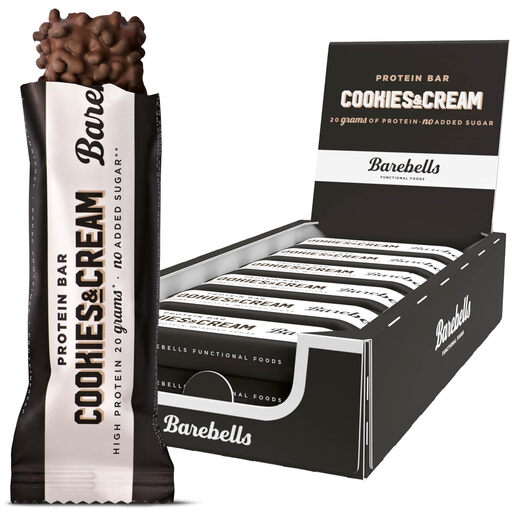
Why it stands out: The Barebells Protein Bar in Cookies & Cream flavour combines high protein content with very low sugar. A key feature is that it is palm oil-free, making it an attractive option for environmentally and health-conscious consumers. The flavour is inspired by the popular cookies and cream dessert and is coated in milk chocolate.
Benefits:
Who is it for? This bar is suitable for athletes to support post-workout recovery, as well as for anyone looking for a sweet but low-sugar snack. Being palm oil-free, it also appeals to a target audience that values specific manufacturing practices.
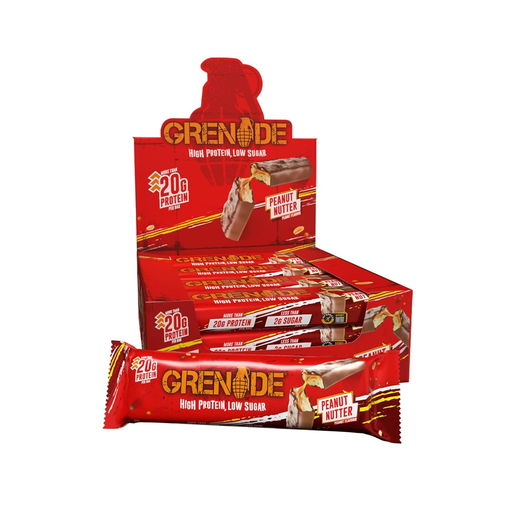
Why it stands out: The Grenade Carb Killa "Peanut Nutter" is distinguished by its multi-layered texture. It contains real peanut pieces, a peanut-flavoured nougat layer, and a caramel layer, all enrobed in milk chocolate. Despite its complex structure, the sugar content remains low.
Benefits:
Who is it for? Ideal for individuals who prefer a protein bar with a texture reminiscent of a classic chocolate bar and an intense peanut flavour. It's a great choice for a high-protein snack that can satisfy sweet cravings.
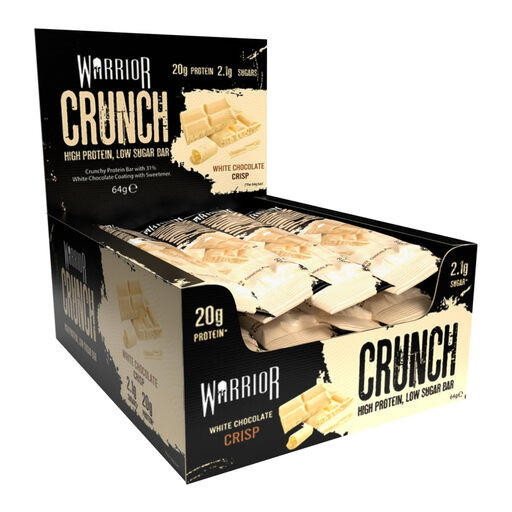
Why it stands out: The Warrior CRUNCH bar is specifically designed as a low-carb bar. With only 1.9 g of sugar and 1.9 g of impact carbs (net carbs may vary depending on calculation) per bar, it fits well into a ketogenic or low-carb diet. The combination of a crispy texture, a caramel layer, and a white chocolate coating makes it a dessert-like option.
Benefits:
Who is it for? This bar is aimed at fitness enthusiasts and individuals following a strict low-carb or keto diet. It's an excellent choice for anyone looking for a crispy, sweet snack that fits seamlessly into their diet plan.
This selection represents just a small fraction of the available range. Tastes and dietary needs are individual. If you want to discover more flavours, other brands, or different types of bars, you can find a wider variety in our broader category.
? Discover more products in the Bar Snacks & Drinks category
A protein bar can be used flexibly. Many athletes consume one within 30 to 60 minutes after a workout to support muscle recovery. However, it also works well as a nutritious snack to tide you over between meals or as a protein-rich addition to a quick breakfast.
Protein bars can be helpful as part of a calorie-controlled diet. Protein has a highly satiating effect, which can help control hunger. A low-sugar bar can be a better alternative to conventional sweets. However, it is not a magic bullet for weight loss; the overall daily calorie balance is what counts.
This warning refers to the content of sugar alcohols (polyols) such as maltitol, sorbitol, or xylitol, which are often used as sugar substitutes in sugar-free protein bars. The body cannot fully digest and absorb these substances. In cases of excessive consumption, they can lead to gastrointestinal issues like bloating or a laxative effect. Sensitivity varies from person to person.