Anyone planning ahead for snacks
You want to set aside individual bars for work or training and know how much protein is in the portion you’ll actually eat.


If you’re stocking up and want a clearly stated protein amount for each individual serving, protein bar multipacks containing 12 or 15 bars could be a good fit. If oats and fibre matter more to you in a snack, consider a protein oat bar instead – and check whether your preferred flavour is available in a multipack before you buy. In either case, compare the nutritional values per bar, as well as the ingredients and allergens for each variety.
You want to set aside individual bars for work or training and know how much protein is in the portion you’ll actually eat.
You need several individual portions for home or the office. Whether a variety box or a pack containing just one flavour is right for you depends on who’ll be eating the bars.
As well as protein, you compare ingredients, fibre, sweeteners and allergens. What matters to you is what’s in each bar – not just how it’s described on the front of the pack.
A good fit if: You want to stock up on individually wrapped bars with a stated protein value for lunchboxes, the office or training. Barebells offers a 12-bar mixed box with 15–20 g of protein per bar; FULFIL sells boxes of 15.
Bear in mind: Ingredients and nutritional values can vary by flavour. Recipes described by the manufacturers may contain milk protein, collagen or sweeteners.
A good fit if: You’re looking for an oat-based bar with protein and fibre rather than a chocolate-style protein bar. ESN states that its GOAT Bar contains 14 g of protein and 5.4 g of fibre per bar.
Bear in mind: Check the pack format you want before buying. The GOAT Bar, as described by ESN, contains egg white and honey, among other ingredients, so it isn’t vegan.
| Criteria | What to check | Who it matters to |
|---|---|---|
| Protein per bar | Compare the protein in grams and the serving weight for each bar; check every variety in a mixed box. | If you’re planning to have a bar as a regular snack, you’ll want to know how much protein it provides per serving. Around 29% of consumers put this first. |
| Number of bars and flavours | Count the bars in the pack and decide whether a mixed box or a single flavour better suits how you plan to use them. | If you’re packing several lunchboxes or sharing, you’ll need portions and flavours that people will actually eat. This kind of pack planning is the main concern for around 21% of consumers. |
| Ingredients and allergens | Check the protein sources, highlighted allergens and precautionary allergen statements for each variety on the current pack. | If you follow a vegan diet or have relevant allergies, the recipe for each individual bar will determine your choice. Around 29% of consumers put this first. |
| Other nutritional values | Check the energy, sugar, fat and fibre per bar; look at the ingredients list to see which sweeteners are used. | You’ll want to assess the bar as a complete snack rather than choose it on protein alone. This comparison takes priority for around 21% of consumers. |
Protein and energy relate to the same portion: Barebells states that a Barebells Salty Peanut bar contains 20 g of protein and 203 kcal per 55 g bar.
Compare like for like – per bar or per 100 g – and take the serving weight into account.
A bar with no added sugar may still contain sweeteners. The Verbraucherzentrale (German consumer advice centre) notes that sugar alcohols can have a laxative effect when consumed in larger quantities.
Read the ingredients list alongside the nutritional information. If you want to take sugar alcohols into account, check the labelling for each variety before buying a large box.
According to Barebells, its vegan Caramel Choco Chip bar contains wheat and soya protein; the product page also lists possible traces of other allergens. Other recipes may contain milk protein or egg white.
If you have a relevant allergy, check the current labelling for each variety. With a mixed box, every variety in it must meet your requirements.
More bars are only practical if the number, flavours and best-before date suit how you plan to use them. A protein bar isn’t necessarily something you need in your diet just because it’s labelled as one.
First check the ingredients and serving size of the variety you want, then choose the pack format.
Barebells sells protein bars in packs of 12 and as a mixed box. For its Favourite Bar Box, the manufacturer lists 12 bars, each containing 15–20 g of protein depending on the flavour.
FULFIL offers boxes of 15 protein bars in a single flavour. For its Chocolate & Brownie bar, the manufacturer states that each bar contains 14 g of protein.
ESN describes the GOAT Bar as a protein oat bar. According to the manufacturer, each bar contains 14 g of protein, around 20 g of carbohydrates and 5.4 g of fibre.
These packs contain several protein bars as individual portions, for stocking up on snacks or packing lunchboxes. Before choosing, compare the serving weight and labelling for each variety; this selection doesn’t include an oat-based bar.
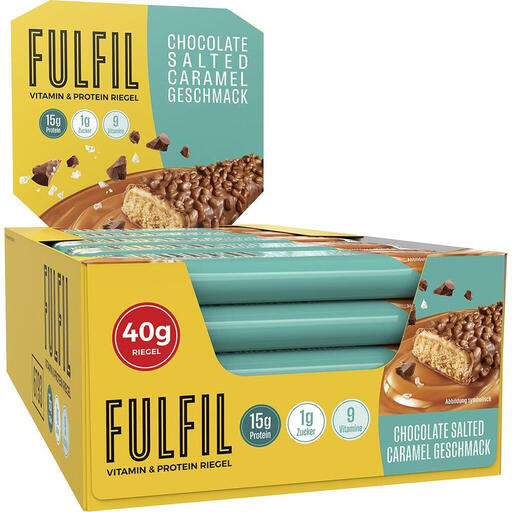 No image available
A pack of 15 bars, each weighing 40 g, for individually planned snacks.
For this flavour, compare the protein and energy per bar; if you have allergies, check the ingredients and precautionary allergen statements, as well as the sweetener information.
 No image available
A pack of 12 bars, each weighing 55 g, for stocking up on a single flavour.
Check the nutritional values per bar and the current labelling, particularly if milk, soya or other allergens are relevant to your choice.
 No image available
A 12-pack of 55 g bars labelled as vegan, for anyone who prioritises a plant-based recipe.
Check the protein content on the current pack particularly carefully: the product description and nutritional table state different values. The vegan label also doesn’t replace the need to check for peanuts, wheat, soya and possible traces.
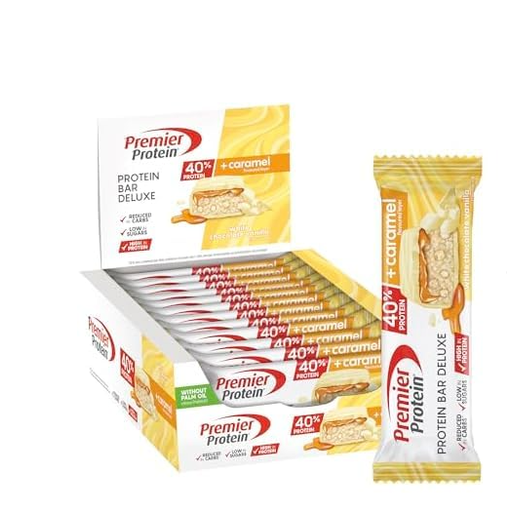 No image available
A protein bar multipack for anyone who wants to plan White Chocolate Vanilla as an individual snack portion.
The product title lists 12 bars at 50 g each; check the number of bars and serving weight on the pack, along with the protein and energy per bar actually included. If you have allergies, pay particular attention to the ingredients and precautionary allergen statements.
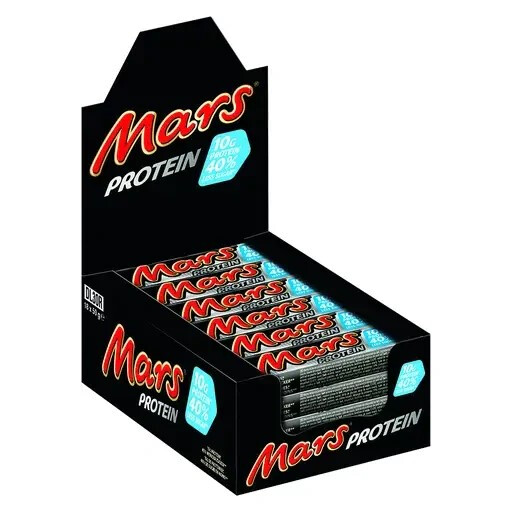 No image available
A pack of 18 bars, each weighing 50 g, if you’re looking for a larger number of individual snack portions.
Alongside protein, check the energy per 50 g bar when comparing products; nutritional values per 100 g refer to a different quantity. Also check the current allergen labelling.
Compare the protein and energy per individual bar, then check the number of bars, serving weight and varieties included. Ingredients and nutritional values can vary between bars in a mixed box. The Verbraucherzentrale (German consumer advice centre) notes that extra protein marketed on a product isn’t automatically necessary; what matters is how the snack fits into the rest of your diet.
No. The claim alone doesn’t tell you how much sugar the bar contains or how much energy it provides. Read the ingredients list alongside the nutritional information; the Verbraucherzentrale also notes that sugar alcohols can have a laxative effect when consumed in larger quantities.
Check the ingredients, highlighted allergens and precautionary allergen statements for every variety in the pack, using the current packaging. A bar labelled vegan may still contain wheat or soya, for example; with a mixed box, every individual variety must meet your requirements.
No. A protein claim doesn’t replace checking the serving size, other nutritional values and ingredients. Compare the protein per bar with the portion you plan to eat, and take any relevant allergens and sweeteners into account.
Follow the storage instructions and best-before date on the relevant pack. FULFIL recommends storing its Chocolate & Brownie bar in a cool, dry place; if you have a mixed box, follow the instructions for each variety.