
Lieferung heute & morgen

Qualitätsgarantie

Willkommens-Angebote freischalten: KOSTENLOSE Lieferung | Bis zu 80 % RABATT | Kostenlose 30-Tage-JoyPlus-Testphase
App herunterladen
The selection of protein bars in supermarkets and online can be overwhelming. Many products boast high protein content, but a closer look reveals they're often just candy bars with added protein and a lot of sugar. This guide is designed to help you separate the wheat from the chaff. As your Joybuy Product Recommendation Officer, I've compiled objective criteria and product information to help you find the right fitness bar for your goals—whether for muscle building, a convenient snack, or a more mindful alternative.
Before choosing a protein bar, it's helpful to understand a few key aspects. The following points will serve as a guide to help you make an informed choice.
As the name suggests, the key feature of a protein bar is the protein. A bar should ideally contain between 15 and 25 grams of protein to serve as an effective protein bar for muscle growth and recovery. Also, pay attention to the protein source:
A common issue with many bars is their high sugar content. A good sugar-free protein bar (or one with very little sugar) is often the better choice. Many manufacturers use sugar alcohols like maltitol or erythritol instead. These have fewer calories but can have a laxative effect if consumed in excess. A high fibre content (more than 5 grams per bar) can promote satiety and support digestion.
Always take a look at the ingredients list. The shorter and more understandable it is, the better. Individuals with intolerances should specifically look for labels like gluten-free protein bars. Watch out for allergens such as nuts, soy, or milk, which must be clearly declared.
Based on the criteria above, we've curated a selection of products that stand out for their composition and nutritional profile.
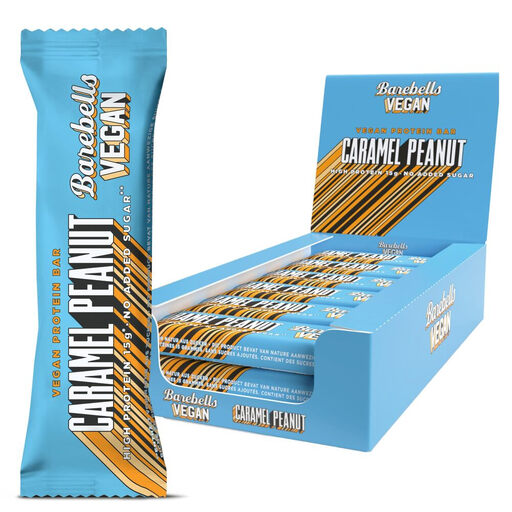
Why it stands out: The Barebells Vegan Protein Bar combines plant-based proteins with a delicious flavour experience. The combination of peanuts, caramel, and a chocolate coating makes it a popular choice for anyone looking for a vegan snack that doesn't taste like a compromise.
Benefits:
Who it's for: This bar is ideal for vegans, vegetarians, and anyone looking to reduce their consumption of animal products without giving up a protein-rich snack. It works well as a mid-day snack or after a light workout.
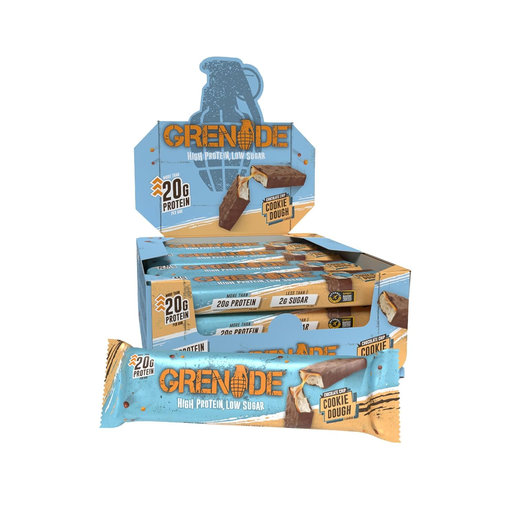
Why it stands out: The Grenade Carb Killa is known for its multi-layered texture and high protein content while being low in sugar. The "Choc Chip Cookie Dough" flavour mimics the taste of cookie dough, appealing especially to those with a sweet tooth who are looking for a high-protein alternative.
Benefits:
Who it's for: This protein bar is aimed at fitness enthusiasts and athletes with high protein needs who want to support recovery after a workout. It's also a great choice for anyone looking to satisfy sweet cravings with a more nutrient-dense option.
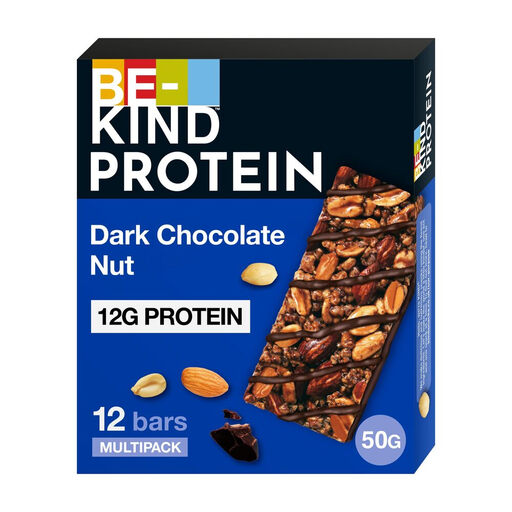
Why it stands out: The BE-KIND Protein bar features whole nuts as its main ingredient, which sets it apart from many other bars. The combination of peanuts, almonds, and dark chocolate provides a natural taste and a crunchy texture.
Benefits:
Who it's for: This bar is perfect for health-conscious individuals who value natural ingredients. It's a great choice for a filling snack at the office or on the go and is suitable for people looking for a gluten-free protein bar.
The products featured here are just a small sample from the diverse world of protein bars. Everyone has different taste preferences and nutritional requirements. If you're looking for other flavours or specific formulations, you're sure to find the right product in our assortment.
Discover Our Full Range of Protein Bar Boxes
A protein bar is versatile. Many athletes consume one within 30 to 60 minutes after a workout to support muscle recovery. However, it also works well as a high-protein snack to prevent hunger pangs or as a convenient on-the-go option when a full meal isn't available.
Protein bars can be a smart addition to a calorie-controlled diet. Protein has a highly satiating effect, which can help control overall calorie intake. A bar can replace a sugary treat or serve as a controlled portion. However, the overall daily energy balance is always the deciding factor. Look for bars that are low in sugar and high in fibre.
The main difference lies in the nutritional profile. A protein bar is formulated to have a significantly higher protein content (typically 15-25 g) and often contains less sugar and simple carbohydrates than a conventional chocolate bar. While a chocolate bar is primarily an indulgence that provides a quick energy boost, a fitness bar aims to deliver functional nutrients for athletic or health-related goals.