
Lieferung heute & morgen

Qualitätsgarantie

Willkommens-Angebote freischalten: KOSTENLOSE Lieferung | Bis zu 80 % RABATT | Kostenlose 30-Tage-JoyPlus-Testphase
App herunterladen
By Joybuy Product Recommendation Officer, July 28, 2026
The sports nutrition market is overwhelming and filled with products that promise quick results. Anyone looking to buy protein powder to support muscle growth or supplement their diet is often faced with a wall of marketing jargon and questionable advertising claims. This frequently leads to poor purchases that strain not only your wallet but also your motivation.
This guide will help you identify the crucial quality features and avoid common pitfalls. We focus on objective facts so you can make an informed decision.
Before we dive into the selection criteria, it's important to be aware of two common marketing traps that can lead to unsuitable purchases:
To find a suitable product, you should focus on three core parameters. These will help you objectively evaluate the quality and suitability of a protein powder.
The type of protein determines how quickly it is absorbed by the body and for which purposes it is best suited.
The most objective metric for evaluating a powder is its protein content per 100g of dry mass. A high-quality protein powder for muscle building should have a value of at least 75g of protein per 100g. Products with significantly lower values are often padded with fillers.
Take a close look at the list of ingredients. Note the position of sugar (e.g., sucrose, glucose syrup, dextrose) in the list. If it appears near the top, the content is high. Alternatives like sucralose, stevia, or acesulfame-K are zero-calorie sweeteners used in many modern formulations. This is also an important criterion when choosing sugar-free protein bars.
Based on the criteria above, we have compiled a selection of products suitable for different user profiles and goals.
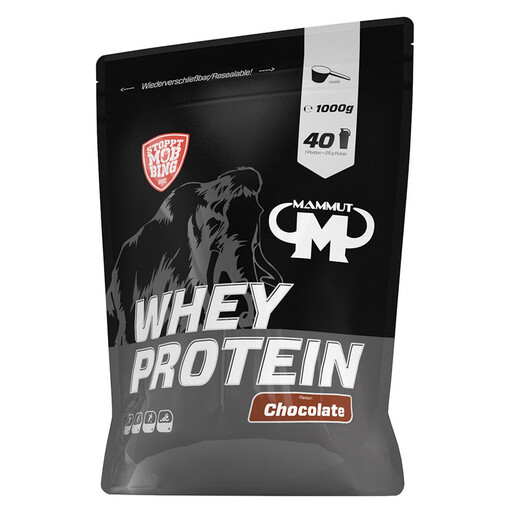
Why This Fits Their Persona: A solid whey protein concentrate with a good taste and easy preparation. It's ideal for starting with supplementation without requiring a high initial investment.
Offers transparent protein content (approx. 89% whey protein concentrate) and uses recognized sweeteners instead of sugar to avoid unnecessary calories.
Good value for money and excellent solubility for a clump-free protein shake.
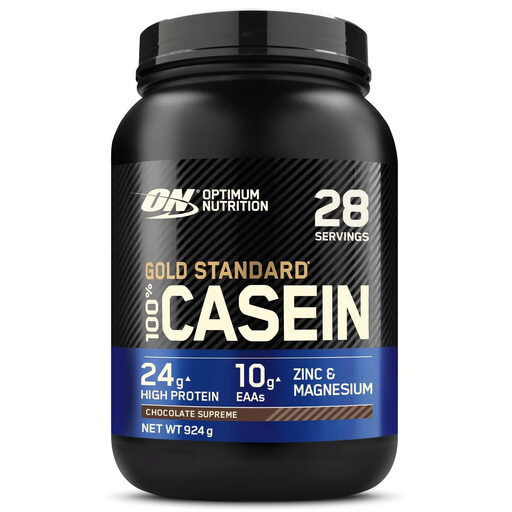
Why This Fits Their Persona: Slow-digesting micellar casein to nourish muscles overnight or between meals. It specifically supports recovery from intense and regular training.
Focuses on a pure, slow-release protein source (88% micellar casein) without unnecessary fillers and is very low in sugar, with only 1.1g of sugar per serving.
Delivers 24g of protein per serving and also contains zinc and magnesium to support the immune system and protein synthesis.
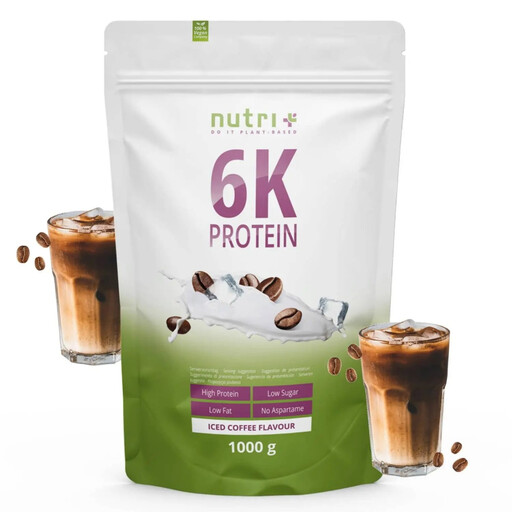
Why This Fits Their Persona: A multi-component blend of six plant-based sources (soy, wheat, rice, pea, sunflower, almond) ensures a complete amino acid profile, which is often a challenge with single-source vegan proteins.
Explicitly designed as a vegan product with no animal-derived ingredients and avoids sugar in favor of sucralose to keep the calorie count low.
High biological value due to the combination of various plant-based proteins. Delivers 23g of protein per serving.
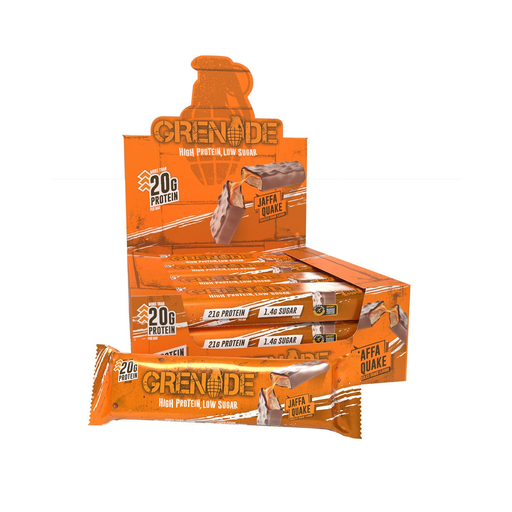
Why This Fits Their Persona: A convenient bar that serves as a protein-rich snack on the go, without compromising on taste or texture. Ideal for quick hunger pangs at the office or after a workout.
Specifically developed as a low-sugar bar to combat cravings without the downsides of traditional sweets. Contains only a small amount of sugar per bar.
Offers a multi-layered, appealing texture and high protein content while being very low in sugar. High in fiber.
We have compiled a complete, up-to-date list of products that fully meet these strict selection criteria and all relevant regulations.
The recommended daily dose depends on your body weight, physical activity, and goals. For active individuals, a protein intake of 1.6 to 2.2 grams per kilogram of body weight is often recommended. A protein shake with 20-30g of protein after a workout can help meet this need. However, supplements should complement a balanced diet, not replace it. Always follow the manufacturer's recommended serving instructions.
Proteins have a high satiety effect, meaning they keep you feeling full longer than carbohydrates or fats. A high-protein diet can therefore help reduce overall calorie intake and prevent cravings. Additionally, the digestion of protein requires more energy (thermic effect of food). However, protein powder alone does not lead to weight loss; the key is a calorie deficit, achieved through a combination of diet and exercise.
Poor solubility can indicate lower powder quality or improper preparation. Use a shaker with a sieve or a mixing ball to prevent clumping. Always add the liquid (water or milk) to the shaker first, followed by the powder. Shaking vigorously for about 20-30 seconds should result in a creamy texture in most cases. If the problem persists, switching to a protein isolate, which is generally finer, might be a solution.