
Lieferung heute & morgen

Qualitätsgarantie

Willkommens-Angebote freischalten: KOSTENLOSE Lieferung | Bis zu 80 % RABATT | Kostenlose 30-Tage-JoyPlus-Testphase
App herunterladen
The market for protein powder is overwhelming. Countless brands make promises of rapid muscle growth or effortless weight loss. But not every protein powder delivers on its promises. Many products are loaded with unnecessary fillers, hidden sugars, or low-quality protein sources that strain your wallet without delivering the desired benefits.
As your Joybuy Product Recommendation Officer, I'm here to help you navigate the marketing jungle. In this guide, I'll show you the most common pitfalls when buying protein powder and which crucial quality markers you should look for to find the right product for your goals.
Before we dive into the details, let's identify the typical stumbling blocks that can lead to a purchase you'll regret.
To make an informed decision, you should focus on three objective criteria. These will help you evaluate the quality of a protein powder, regardless of marketing claims.
The type of protein determines how quickly it's absorbed by the body and what it's best suited for.
The truth about a product is always on the back. Pay attention to the following:
To make your choice easier, we've matched some products from our range to different user profiles.
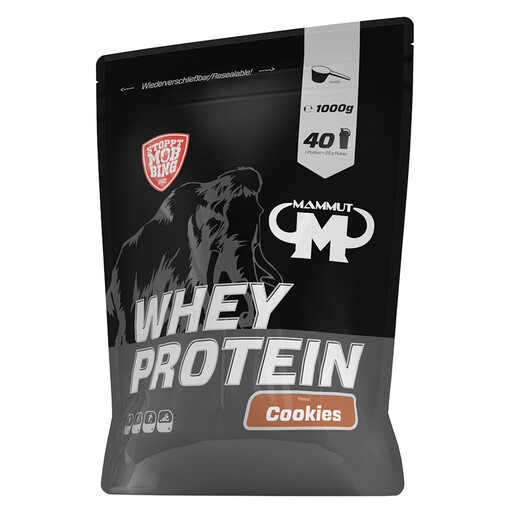
Why This Fits Their Persona: Offers solid value for money for regular post-workout use without breaking the bank. Ideal for building a routine and meeting the increased protein demands of an active lifestyle.
Focuses on the essentials: a pure whey protein concentrate with transparent nutritional information, free from unnecessary fillers or excessive sugar.
High protein content per serving (approx. 27g when prepared with milk) and excellent solubility for a clump-free shake.
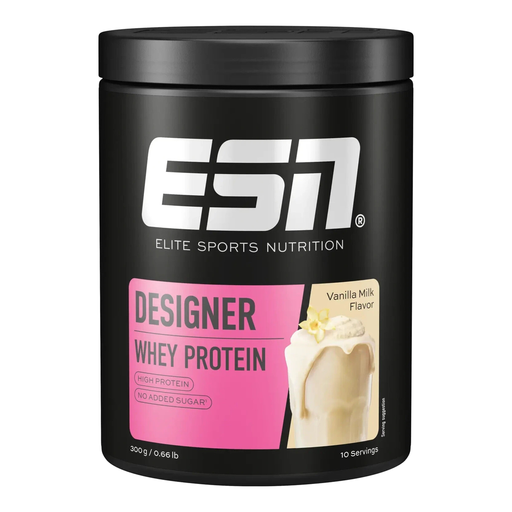
Why This Fits Their Persona: Developed for athletes who prioritise rapid nutrient delivery and a pure product. The blend of concentrate and isolate provides optimal support for recovery after intense sessions.
Relies on a high-quality whey protein blend with low carbohydrate and fat content. The composition of the ESN Designer Whey is clearly declared and free from hidden sugars.
A combination of fast-absorbing whey isolate and concentrate. Made in Germany.
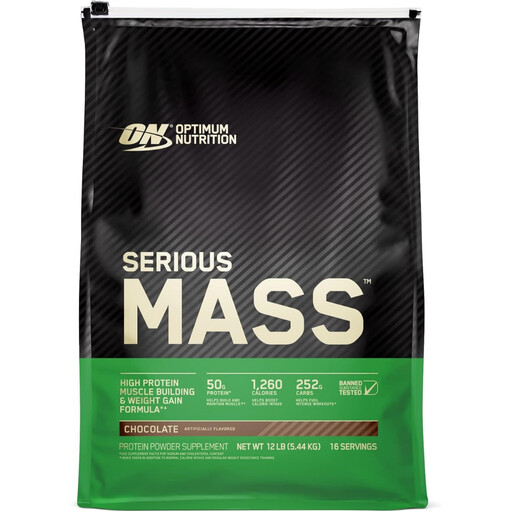
Why This Fits Their Persona: Specifically for individuals who struggle to gain weight. It delivers a high density of calories, carbohydrates, and protein to help achieve the calorie surplus necessary for mass gain.
This is not a standard protein powder. It's a transparent weight gainer that clearly communicates its purpose—providing calories—and isn't disguised as a pure protein powder.
Over 1,250 kcal and 50g of protein per serving (according to the manufacturer), fortified with creatine, vitamins, and minerals to support intense training.
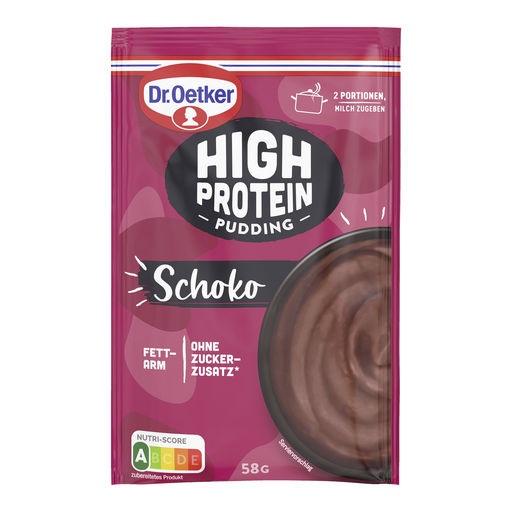
Why This Fits Their Persona: An alternative to the classic protein shake. Ideal for satisfying afternoon sweet cravings or as a dessert that also boosts protein intake without sabotaging your diet.
Not a hidden snack, but a product clearly declared as a protein pudding. It has no added sugar (sweetened with sweeteners) and is low in fat, making it a conscious choice.
Quick to prepare, high in fibre, and delivers 10g of protein per prepared serving.
We've compiled a complete, up-to-date list of products that fully meet these strict selection criteria and our quality standards.
The optimal frequency depends on your individual goals, the rest of your diet, and your training intensity. A general recommendation for athletes is 1-2 servings per day. A protein shake right after your workout can support recovery. On non-training days, it can serve as a protein-rich snack. It's important to view protein powder as a supplement to a balanced diet of whole foods, not as a replacement for it.
Yes, protein powder for weight loss can be a useful aid. Protein has a high satiety effect, which can help reduce feelings of hunger and lower overall calorie intake. A shake that is low in carbohydrates and sugar can replace a high-calorie meal while promoting muscle preservation during a diet.
Clumps in your shake are annoying. Here are a few tips for better solubility: