
Lieferung heute & morgen

Qualitätsgarantie

Willkommens-Angebote freischalten: KOSTENLOSE Lieferung | Bis zu 80 % RABATT | Kostenlose 30-Tage-JoyPlus-Testphase
App herunterladen
As your Joybuy Product Recommendation Officer, I monitor the food and snack market to bring you clear, objective information. Prunes, also known as dried plums, are a popular choice in many households—whether as a fibre-rich, healthy snack or as an ingredient in cooking and baking. However, the market offers a vast selection, ranging from all-natural fruits to seasoned Asian specialities.
This guide is designed to help you understand the different types of prunes and find the product that best suits your needs in terms of taste, ingredients, and convenience.
To make an informed decision, the following three criteria can be helpful.
The origin of the plums has a significant impact on their taste and texture. European varieties, often from France or Germany, are typically juicy with a natural, mild sweetness. Californian prunes are also widespread and known for their size and rich flavour. Asian prunes, on the other hand, are often marinated and seasoned according to traditional recipes, giving them a complex, sweet-and-sour flavour. Pay attention to the product description to learn about the origin and processing method.
Most prunes available on the market are already pitted. Buying pitted prunes offers maximum convenience, making them a hassle-free snack for on-the-go or for children. Although rare, some varieties with pits are available, which some connoisseurs appreciate for a supposedly more intense flavour. For everyday use, however, pitted fruits are the more practical choice.
A look at the ingredients list is crucial. If you're looking for a healthy snack that's as natural as possible, choose products that consist only of prunes and perhaps a preservative like potassium sorbate. Many Asian prunes and other seasoned varieties contain added sugar, salt, or flavourings to create their characteristic taste profile. These are better suited as a special treat rather than an everyday health snack.
Based on these criteria, we have compiled a selection of different prunes that cater to various tastes and preferences.
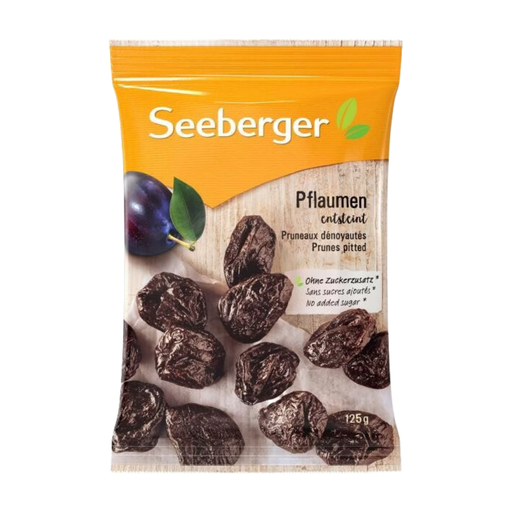
Why It Stands Out: Seeberger's prunes represent a classic, natural fruit experience. They are produced without added sugar, allowing them to retain their authentic, fruity-sweet taste. The fruits are extra large and already pitted, which makes them particularly convenient.
Key Features:
Who It's For: This product is ideal for health-conscious consumers looking for a pure and unadulterated healthy snack or a natural sweetener for cereal, yoghurt, and baked goods.
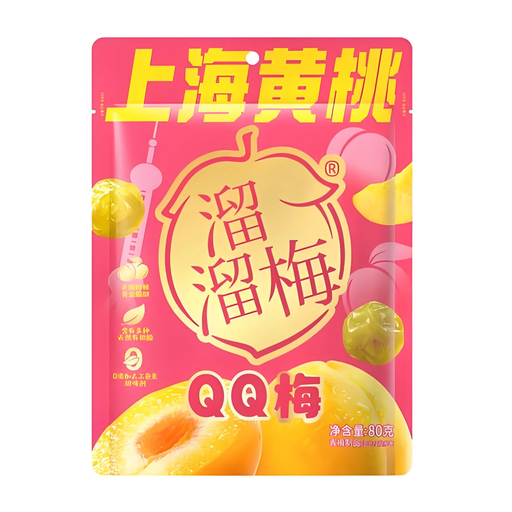
Why It Stands Out: These Asian prunes from the Liuliumei brand offer a unique taste experience. They combine green plums with the juice of yellow Shanghai peaches. The texture, described as "QQ," is soft and chewy, a quality highly prized in Asian snack culture.
Key Features:
Who It's For: Perfect for adventurous snack lovers who want to try new flavours and appreciate the sweet-and-sour notes of Asian cuisine.

Why It Stands Out: These dried plums are made from Californian prunes, known for their plump, thick flesh. The product is specifically designed for a sweet-and-sour taste experience with a sweet aftertaste and contains various sweeteners in addition to sugar.
Key Features:
Who It's For: Suitable for those who prefer a sweet-and-sour snack with a soft texture and appreciate the convenience of individually wrapped portions. Note: Contains phenylalanine and is therefore not suitable for individuals with phenylketonuria.
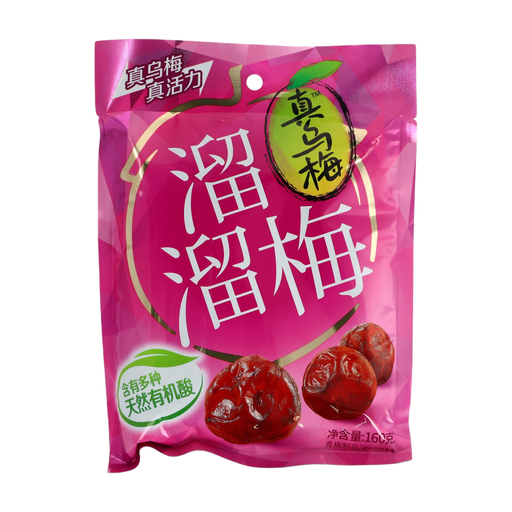
Why It Stands Out: This product from Liu Liu Prune represents a traditionally preserved prune with a rich, sweet-and-sour aroma, which is rounded out by the addition of liquorice. Like other products from the brand, these prunes are also individually wrapped.
Key Features:
Who It's For: For fans of traditional Asian dried fruits who are looking for an intense, multi-layered taste experience and appreciate the convenience of individual packaging.
Didn't find the right product in this selection, or simply want to buy more dried fruits? In our Nutritious and Delicious Desserts category, you'll find a wider range of snacks and sweet treats for every taste.
1. What is the difference between prunes and dried plums? In common usage, there is no difference. The terms prunes and dried plums are used interchangeably to describe dried plums that have had their water content removed through a drying process.
2. How should I store prunes? Prunes should be stored in a cool, dry place, away from direct sunlight. After opening the package, it is advisable to reseal it tightly or transfer the contents to an airtight container to maintain freshness and prevent them from drying out. Always follow the storage instructions on the product packaging.
3. Do all prunes contain preservatives? No, not all of them. Some all-natural products are made without any. However, preservatives like potassium sorbate or sulphur dioxide (sulphites) are often used to extend shelf life and maintain colour. Individuals with a sensitivity to sulphites should check the ingredients list particularly carefully. This information is required by law and declared on the packaging.