
Lieferung heute & morgen

Qualitätsgarantie

Willkommens-Angebote freischalten: KOSTENLOSE Lieferung | Bis zu 80 % RABATT | Kostenlose 30-Tage-JoyPlus-Testphase
App herunterladen
By the Joybuy Product Recommendation Officer
The search for a convenient, high-fibre snack leads many to prunes. Whether as an office snack, a natural ingredient in muesli, or a targeted dietary supplement, the market offers a wide variety. They come pitted, with added sugar, in soft varieties, or as prebiotic foods. This diversity can make choosing the right one a challenge.
This guide provides objective information and a clear overview of the different types of dried plums available. Our goal is to help you find a product that perfectly matches your needs for taste, ingredients, and convenience.
To buy the right prunes for you, it helps to understand a few key product features. The following points can make your decision easier.
The ingredients list reveals the nature of the product. Some dried plums consist solely of the fruit itself, with no additives. These products offer a pure, natural fruit flavour.
Other varieties are enriched with additional ingredients to alter their taste, texture, or functional properties. These include:
The texture of prunes varies depending on the production method. Many modern products, like the well-known Seeberger Prunes, are processed to remain exceptionally soft and juicy. These are often ready to eat right out of the bag and are great as a direct snack.
More traditional production methods, often common in Asia, result in a firmer, sometimes chewier texture. These products are frequently designed as preserved fruits and offer a more intense, concentrated flavour. The choice depends on whether you prefer a soft, juicy fruit or a more confectionery-like snack. Nearly all commercially available varieties are pitted plums, which makes them much more convenient to eat.
Packaging plays a key role in everyday convenience.
Based on objective product characteristics, we have compiled a selection of different prunes that cater to various needs.
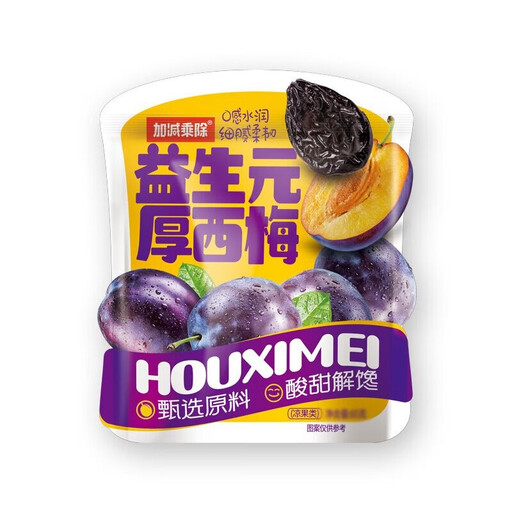
Why It Stands Out: This product is distinguished by its special formula. It contains oligofructose, a prebiotic, making it more than just a simple snack. The plums are pitted and, according to the manufacturer, have a thick, soft flesh.
Benefits:
Who It's For: Consumers looking for a functional snack who value a targeted addition to their diet. Ideal for professionals who need a convenient single portion for their day.

Why It Stands Out: Seeberger is a well-established German brand for dried fruits and nuts. This product represents purity: the ingredients list contains only plums. No sugar or preservatives are added.
Benefits:
Who It's For: Those who prefer a product that is as natural as possible, with no additives. A great choice for health-conscious consumers and families.
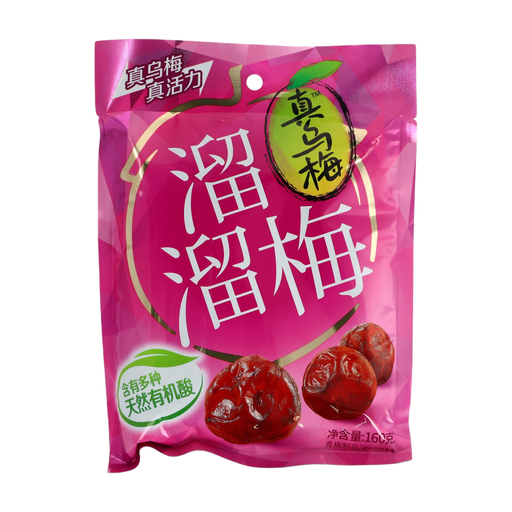
Why It Stands Out: These dried plums represent the traditional style of Asian snacks. They are individually wrapped and offer a complex, sweet-and-sour flavour profile, rounded out by ingredients like sugar, salt, and liquorice.
Benefits:
Who It's For: Fans of Asian snacks and anyone looking for a prune with an intense, confectionery-like character. Less for purists and more for indulgent snackers.
The world of sweet snacks is vast and diverse. If you're looking to discover other dried fruits, innovative desserts, or international sweets in addition to prunes, you might find just what you're looking for in our wider selection.
Explore our full range of sweet snacks and desserts. Browse our new desserts category now and find your next favourite treat.
In English, the terms prunes and dried plums are used largely interchangeably. Both refer to plums that have been dried. "Prune" is simply the more common and traditional name for a dried plum. You may see both terms on product labels.
After opening the package, prunes should be stored in an airtight container in a cool, dry place. This protects them from moisture and drying out, which helps preserve their texture and flavour. Always follow the storage instructions on the product packaging.