
Lieferung heute & morgen

Qualitätsgarantie

Willkommens-Angebote freischalten: KOSTENLOSE Lieferung | Bis zu 80 % RABATT | Kostenlose 30-Tage-JoyPlus-Testphase
App herunterladen
Prunes are more than just an ingredient from grandma's pantry. Whether as a fiber-rich and healthy snack for the office, a natural sweetener in baking, or a flavorful component in savory dishes—their uses are incredibly versatile. The market offers a wide range, from classic dried prunes to innovative Asian snacks with surprising flavors.
This guide is designed to give you a clear overview of the different types of prunes available. We'll introduce various products and explain their specific characteristics to help you make an informed decision that suits your needs.
Choosing the right product depends heavily on your intended use and personal preferences. Three criteria can help guide your decision.
Consider how you primarily want to use the dried plums. For a quick bite on the move or to add to a lunchbox, individually wrapped prune snack varieties are ideal. They are hygienic, convenient, and often pre-portioned. However, if you're buying dried fruit to use in cooking, baking, or your morning cereal, larger bulk packs are usually the more economical and practical choice.
A look at the ingredients list is insightful. Some products consist solely of prunes, treated only with potassium sorbate for preservation. Others are enhanced with sugar, fruit juices, or additional flavorings to create a specific taste profile. Also, check whether the fruits are already pitted. Offering pitted prunes is a convenience feature that makes them much easier to eat and use in recipes.
The taste of prunes can vary significantly depending on their origin and variety. Classic dried prunes, often from California or Europe, are characterized by a deep, sweet, and slightly malty flavor. In contrast, Chinese plums and other Asian varieties often offer a more complex, sweet-and-sour taste experience and are sometimes combined with exotic fruits like mango.
Here is a selection of products that cover different flavor profiles and uses.
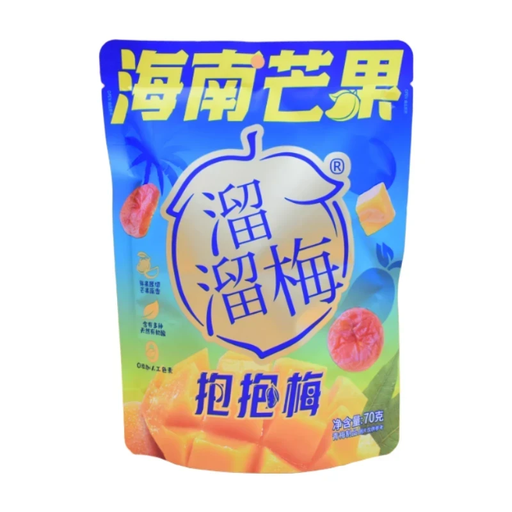
Why It Stands Out This product combines green plums with the flavor of Hainan mangoes. This innovative blend stands out from traditional prunes, offering a tropical, sweet-and-sour taste experience.
Benefits
Who It's For This product is aimed at curious consumers and lovers of Asian snacks who are looking for a flavored and conveniently packaged alternative to conventional dried fruits.

Why It Stands Out These dried plums are made from fruit grown in California, known for its thick, soft flesh. They are already pitted, making them especially easy to eat.
Benefits
Who It's For Ideal for users who appreciate the classic, full-bodied taste of Californian prunes and are looking for a ready-to-eat, conveniently packaged snack option for everyday life. Note: Contains phenylalanine.
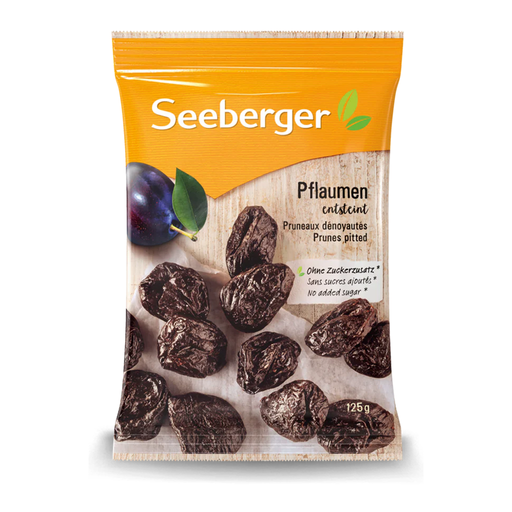
Why It Stands Out This product is a pantry classic. The 500g bulk pack contains pure, pitted dried prunes with no added sugar, making them a versatile staple ingredient.
Benefits
Who It's For This product is suitable for families and health-conscious consumers looking for a natural kitchen ingredient or wanting to stock up on a healthy snack.
If you're looking for other flavors, more snack variations, or different package sizes, you might find what you need in our broader selection.
Browse our Fruity Sweets category to discover more dried fruits and snacks.
Yes, the terms prunes and dried plums are used interchangeably. They both refer to plums that have had most of their water content removed through a drying process. "Prune" is the more traditional term.
Dried plums should be stored in a cool, dry, and dark place to maximize their quality and shelf life. After opening the package, it is advisable to reseal it tightly or transfer the contents to an airtight container to protect them from moisture.
Not necessarily, but many commercially available products contain preservatives like potassium sorbate (E202) or sulfur dioxide (SULPHUR DIOXIDE) to extend shelf life and maintain color. If you want to avoid these, you should specifically look for products without these additives and check the ingredients list on the packaging.