
Lieferung heute & morgen

Qualitätsgarantie

Willkommens-Angebote freischalten: KOSTENLOSE Lieferung | Bis zu 80 % RABATT | Kostenlose 30-Tage-JoyPlus-Testphase
App herunterladen
A well-maintained garden is the result of regular work, where the right tools play a crucial role. Pruning trees, hedges, and shrubs, in particular, demands precision and efficiency. With a vast array of models on the market—from simple manual pruning shears to powerful cordless garden shears—the selection process can quickly become overwhelming.
This guide is here to help. We will introduce different types of cutting tools and explain which features are relevant for specific gardening tasks. Our goal is to provide you with an informed basis for your decision, so you can find the perfect tool for your needs.
Three key criteria can help narrow down your selection: the cutting mechanism, the power source, and the required reach.
For cutting fresh, living wood, bypass garden shears are generally the right choice. With this mechanism, two sharpened blades glide past each other, much like a pair of scissors. This creates a clean, smooth cut that is gentle on the plant and promotes quick healing. This design is ideal for shaping cuts or trimming roses and young shoots.
Manual garden shears are lightweight, easy to handle, and sufficient for smaller jobs. However, when dealing with thicker branches or larger gardens, the work can quickly become tiring. This is where cordless garden shears or electric loppers offer a significant labour-saving advantage. A motor powers the cutting motion, allowing you to sever even larger-diameter branches without significant effort.
For tasks at height, such as thinning tree canopies or trimming tall hedges, tools with extended handles are necessary. A pole pruner allows for safe cutting from the ground, eliminating the need for a ladder. A telescopic hedge trimmer works on a similar principle, enabling you to precisely shape the tops and hard-to-reach areas of hedges.
Based on functionality and application, we have compiled a selection of tools that cover a range of gardening needs.
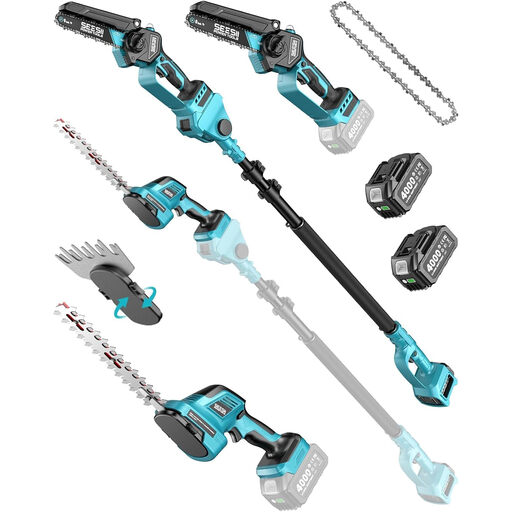
Why It Stands Out: This set is distinguished by its exceptional versatility. It combines multiple garden tools into one system, making it a comprehensive solution for various tasks—from tree pruning to hedge care. The tool-free quick-change mechanism allows for effortless swapping of attachments.
Advantages:
Who It's For: Users looking for a versatile tool for various cutting tasks in the garden who value extended reach to tackle high branches and hedges without a ladder.

Why It Stands Out: These electric loppers are designed for effortless and efficient branch cutting. Their cordless design and low weight allow for maximum freedom of movement during garden work.
Advantages:
Who It's For: Home gardeners who need to regularly cut thicker branches on trees and shrubs and prefer a low-effort alternative to manual tree shears.
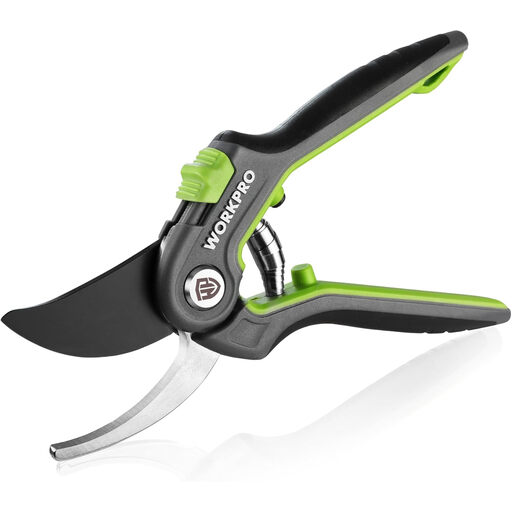
Why It Stands Out: These manual bypass garden shears are a classic tool designed for precision and durability. The SK5 steel blade ensures exceptionally clean cuts, making them ideal for delicate plants.
Advantages:
Who It's For: Gardening enthusiasts who need a reliable and precise tool for daily tasks like cutting flowers, perennials, and young shoots, and who appreciate the control of manual shears.
The products featured here cover common use cases. However, if you are looking for a tool for highly specific tasks or simply want to compare more models, you may find a suitable alternative in our broader selection.
Explore our full range of Edgers.
Bypass garden shears have two blades that glide past each other. They produce a clean cut and are ideal for living wood. Anvil shears have one blade that closes onto a flat metal surface (the anvil). They cut with more pressure and are better suited for hard or dead wood, but they can crush fresh stems.
Cordless garden shears are particularly beneficial if you have a large garden, frequently need to cut thick branches, or have limited hand strength. They significantly reduce the effort required and speed up the work, leading to less fatigue.
Proper maintenance extends the lifespan and preserves the cutting performance of your shears. Clean the blades of sap and debris after each use. Dry the shears thoroughly and occasionally apply a drop of oil to the blades and pivot joint to prevent rust and keep the mechanism moving smoothly. Store the tool in a dry place.