
Lieferung heute & morgen

Qualitätsgarantie

Willkommens-Angebote freischalten: KOSTENLOSE Lieferung | Bis zu 80 % RABATT | Kostenlose 30-Tage-JoyPlus-Testphase
App herunterladen
As a Joybuy Product Recommendation Officer, I see every day how dog owners face the challenge of choosing the right products for their four-legged friends. A particularly urgent issue is house-training. A new puppy in the home or an older dog with incontinence—both require a fast and hygienic solution. But the market for puppy pads is full of promises that often go unkept. This guide will help you separate the wheat from the chaff and make an informed decision.
Before you spend money on products that create more problems than they solve, you should be aware of the typical weaknesses that often only become apparent with use.
To avoid the problems mentioned above, you should pay attention to three technical features. These define the quality and functionality of a dog pee pad.
A reliable training pad consists of multiple layers. Look for a construction with at least four layers:
This structure is crucial both for training to house-train puppies and as incontinence pads for dogs in their senior years.
For a fresh indoor climate, especially in an apartment, puppy pads with activated charcoal are an excellent choice. Unlike scented versions, activated charcoal works through adsorption: the porous structure of the charcoal physically binds odour molecules, thereby neutralising them effectively. This doesn't just mask the ammonia smell of urine, but eliminates it. This is a significant advantage for a clean and odour-free indoor dog toilet.
The standard size of approx. 58 x 58 cm is sufficient for most puppies and small to medium-sized dog breeds. However, more important than the sheer size is the handling. Pads that slip or get crumpled are a common nuisance. A puppy pad holder solves this problem. Such a plastic frame clamps the pad firmly in place, keeps it taut on the floor, and prevents your dog from dragging it away or tearing it up. This ensures maximum hygiene and supports a structured training process.
Based on the criteria above, we have identified several products that are suitable for different needs and households.
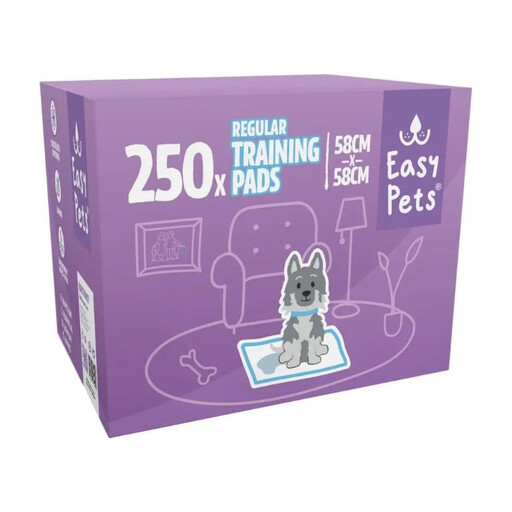
Why This Fits Their Persona: Ideal for the initial phase of puppy training, where a high consumption of pads is normal. The bulk pack offers excellent value for money without compromising on core functionality.
The four-layer structure with a leak-proof backing reliably prevents soak-through—a common problem with cheap alternatives.
According to the manufacturer, it contains a special attractant (pheromones and lavender) that can encourage acceptance by the puppy and speed up training.
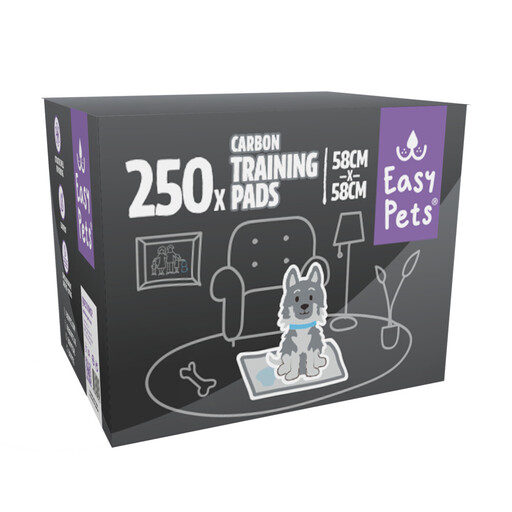
Why This Fits Their Persona: Perfect for apartment living or for owners for whom an odour-free environment is a top priority. Also excellently suited for older, incontinent dogs.
The integrated activated charcoal layer actively neutralises odours instead of just masking them with perfume. This prevents the development of unpleasant mixed smells.
Combines a highly absorbent core with effective odour control for maximum cleanliness and freshness indoors.
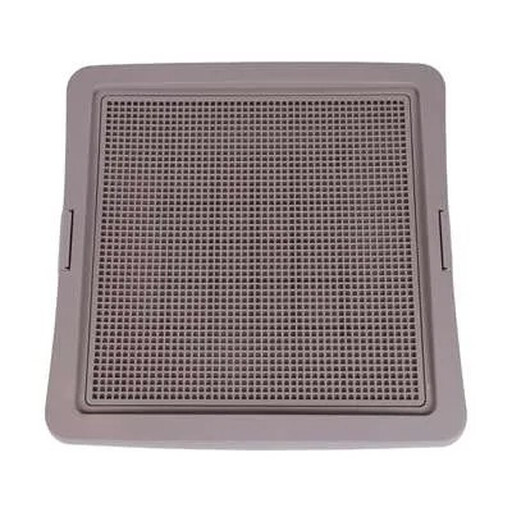
Why This Fits Their Persona: Indispensable for owners of playful or "destructive" puppies. It creates a clearly defined and clean potty area, which facilitates training and ensures tidiness.
Solves the problem of pads slipping, being torn, or dragged around. The frame securely fixes the pad in place, preventing mess and ineffective training.
The smooth plastic is easy to clean and reusable. It ensures the pad remains taut, allowing its absorbency to be used to its full potential.
We have compiled a complete, up-to-date list of products that fully meet these strict selection criteria and German safety regulations.
1. How often should you change a puppy pad? For optimal hygiene and to reinforce the learning effect, the pad should be replaced after each use. A dog instinctively seeks a clean spot. An already used pad may deter them from using it again. Even if it looks unused, it is advisable to change the pad at least once a day to prevent odour build-up.
2. My dog ignores the pee pad, what can I do? Patience is the key to success. Place the pad in a fixed, quiet location that is easily accessible to the dog. Lead them there after they wake up, eat, or play. As soon as they do their business on the pad, praise them enthusiastically with your voice or a treat. Never punish them for an accident elsewhere—this creates fear and harms the training. Training pads for dogs with integrated attractants can provide additional support to the process.
3. Are puppy pads only suitable for puppies? No, their range of application is much broader. They are an excellent solution as incontinence pads for dogs in their senior years or for pets recovering from surgery. Furthermore, they are extremely practical for travel in a transport crate, on long car rides, or for dog owners who live in an apartment without direct access to a green space.