
Lieferung heute & morgen

Qualitätsgarantie

Willkommens-Angebote freischalten: KOSTENLOSE Lieferung | Bis zu 80 % RABATT | Kostenlose 30-Tage-JoyPlus-Testphase
App herunterladen
The search for the ideal place to relax at home often leads to one key consideration: buying the right armchair. A recliner is more than just a seat; it's a personal retreat for reading, watching TV, or simply unwinding. However, given the variety of models, features, and materials, making a choice can be complex.
This article serves as a practical guide. We present objective criteria to help you understand the features of different recliners and make an informed decision that meets your needs.
To find the right model for your living room, it's helpful to be familiar with a few basic features. The following points will provide guidance for your decision.
The core feature of a recliner is its adjustability. The main distinction is between manual and electric systems.
A chair should fit both the room and the user.
Here is a selection of models that cater to different functional and design requirements.
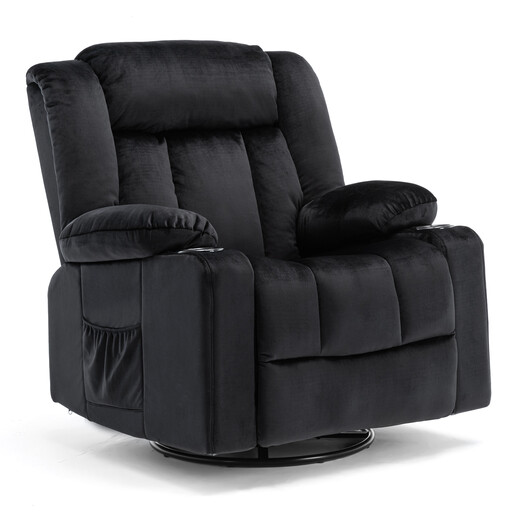
Why it stands out: This model combines several practical features in a compact design. The swivel chair can rotate 361 degrees, offering maximum flexibility in the room. The manual adjustment of the backrest and footrest is straightforward. Additional features like two cup holders and side pockets make it a thoughtfully designed living room chair.
Pros:
Who it's for: Users looking for a multifunctional chair for the living room that serves as both a TV chair and a practical seat with storage options. Its compact dimensions also make it suitable for smaller rooms.
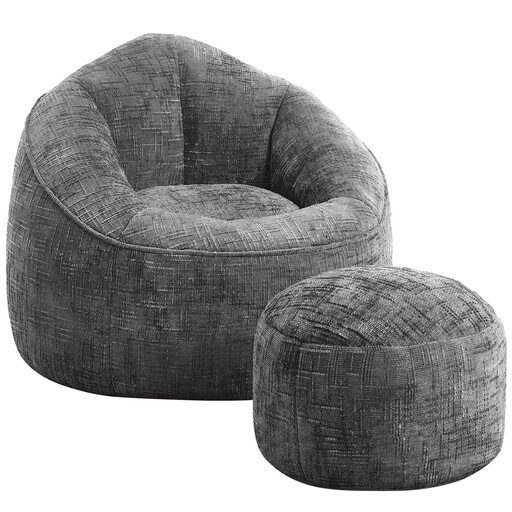
Why it stands out: The GTIMEX chair features a modern, low-profile design and comes with a separate ottoman. This combination of a chair with an ottoman offers flexible seating and lounging options. According to the manufacturer, the shredded memory foam filling conforms to the body and retains its shape even with regular use. The soft chenille cover enhances its cosy character.
Pros:
Who it's for: Individuals who prefer a flexible and modern reading chair or lounge chair for the living room, bedroom, or office. The lightweight and unconventional design appeals particularly to a target audience that values adaptable furniture.
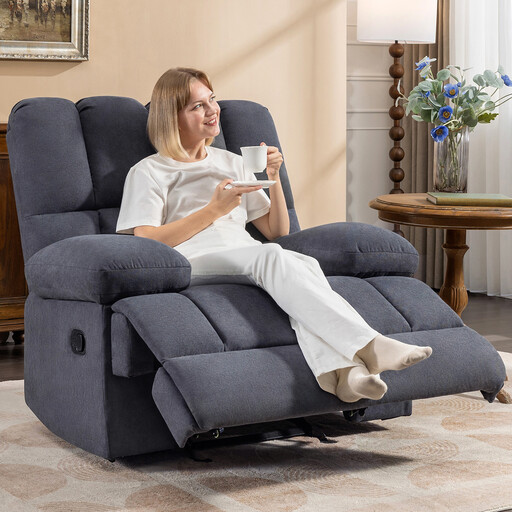
Why it stands out: This XXL recliner is specifically designed for users who need a generous seating area and a high weight capacity. With a stated capacity of up to 350 lbs (approx. 158 kg) and extra-wide padding, it offers plenty of space. In addition to the manual reclining function, the model features a gentle rocking motion for added relaxation. The ergonomic design is said to support the entire body from head to toe.
Pros:
Who it's for: Taller and heavier individuals, or anyone looking for an exceptionally spacious and sturdy recliner with a high comfort factor. The rocking function makes it a great choice for relaxing hours in the living room.
The selection of seating furniture is vast and includes many other styles and functions. If you haven't found the right fit among the featured models, there are numerous alternatives to discover.
Browse our wider collection to compare more designs. Discover more plush upholstery here.
1. What is the difference between a recliner and a TV chair? The terms are often used interchangeably. Technically, a recliner is the general term for a chair with an adjustable backrest and footrest. A TV chair is a specific type of recliner often equipped with additional features like cup holders or storage compartments to enhance comfort during media consumption.
2. How do I care for the fabric cover of my chair? Care depends on the material. For fabric covers like chenille, it is generally recommended to blot liquids immediately with an absorbent cloth and gently treat stains from the outside in. For regular cleaning, vacuuming with an upholstery attachment is usually sufficient. Always follow the specific care instructions provided by the manufacturer.
3. Does a manual recliner require a lot of force to operate? Modern manual mechanisms are designed to require minimal effort. The footrest is usually released by an easy-to-pull lever or ring. The reclining of the backrest is controlled by your own body weight and typically requires only a gentle shift in weight.