
Lieferung heute & morgen

Qualitätsgarantie

Willkommens-Angebote freischalten: KOSTENLOSE Lieferung | Bis zu 80 % RABATT | Kostenlose 30-Tage-JoyPlus-Testphase
App herunterladen
For those looking to reduce their salt intake, the kitchen often presents a challenge: How can you continue to season dishes with rich flavour without sacrificing the deep umami taste that traditional soy sauce provides? A reduced-sodium soy sauce is the obvious solution. However, the market is vast, and the differences in taste and composition are significant.
This guide introduces a selection of reduced-sodium soy sauces and explains their specific characteristics. Our goal is to provide you with an informed basis for your decision, helping you find the perfect product for your culinary needs—from everyday cooking to specialised dishes.
To make an informed choice, a few objective criteria are helpful. The following points will help you better compare products and find a low-sodium soy sauce that meets your requirements.
The terms "reduced-sodium" or "less salt" are relative. Manufacturers typically base this claim on their own standard product. To determine the actual salt content, it's essential to look at the nutritional facts table. Compare the "Salt" value per 100 ml across different products. This will give you an objective benchmark for how a low-sodium soy sauce fits into your dietary plan.
High-quality soy sauces are traditionally and naturally brewed. This months-long fermentation process of soybeans and wheat is crucial for developing a complex and deep flavour profile, known as umami. A naturally brewed soy sauce for cooking retains a rich taste even with reduced salt content. In contrast, chemically produced seasoning sauces can often taste flatter and may use additives to compensate for the lack of flavour.
The ingredients list reveals the character of the soy sauce. Some reduced-sodium versions contain additional natural ingredients like mushroom extracts or citrus juice to refine the flavour or optimise them for specific dishes. Consider whether you need an all-purpose seasoning for daily use or a specialised umami sauce for dishes like seafood.
Here is a detailed look at three products that stand out for their specific properties and applications.
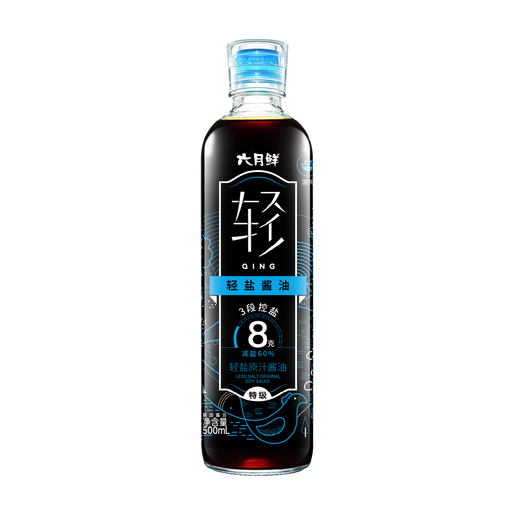
Why It Stands Out This soy sauce from LiuYueXian is based on a six-month, natural fermentation process. According to the manufacturer, it contains 60% less salt compared to the "Shinho Xiaokang Soy Sauce". With a content of 18% defatted soybeans, it offers an intense yet balanced base for a wide variety of dishes.
Pros
Who Is It For? For home cooks and families looking for a versatile and significantly reduced-sodium soy sauce for daily use, without compromising on flavour.
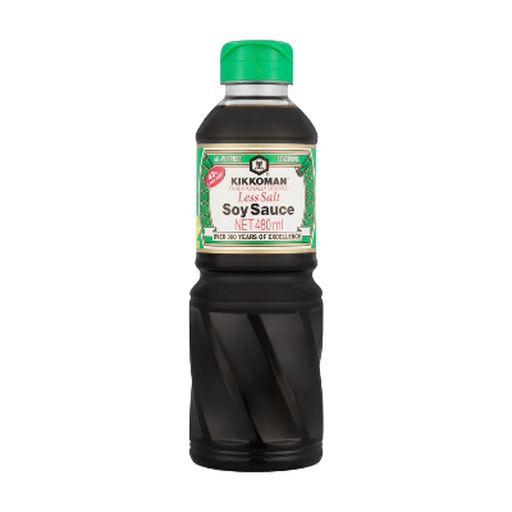
Why It Stands OutKikkoman's reduced-sodium version is made using the same traditional brewing process as the original. As a result, it retains the characteristic rich aroma and umami flavour for which the brand is known. The salt content is reduced after brewing through a special process.
Pros
Who Is It For? For users who appreciate the trusted taste of Kikkoman and are looking for a version with less salt for their go-to dishes.
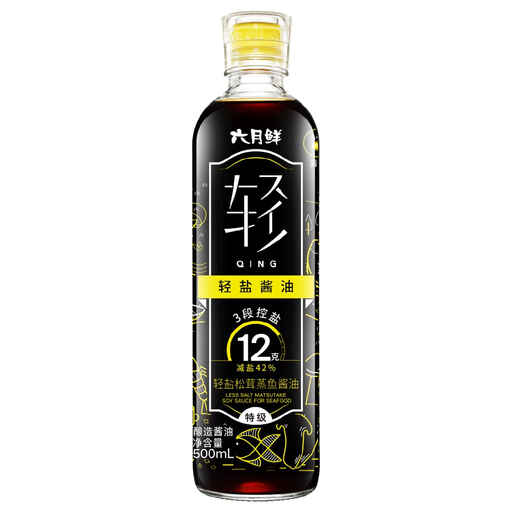
Why It Stands Out This specialised soy sauce is enriched with matsutake mushroom extract (≥10mg/100ml) and lemon juice. This combination is designed to enhance the flavour of fish and seafood while neutralising any unwanted odours. According to the manufacturer, it contains 42% less salt compared to the "Shinho Xiaokang Soy Sauce".
Pros
Who Is It For? For enthusiasts of fish and seafood dishes who are looking for a sophisticated seasoning sauce that specifically enhances and complements the natural flavour of the ingredients.
The selection presented here covers various applications. However, if you are looking for other seasoning alternatives or specific types of salt, our range offers more possibilities.
Discover our full range of Table Salt and find the perfect ingredient for your kitchen.
1. How much less salt does a reduced-sodium soy sauce actually contain? The reduced salt content varies by brand and product. The reduction is often stated as a percentage compared to the brand's standard product. For example, LiuYueXian states a reduction of up to 60% compared to a reference product. For precise figures, it is always advisable to consult the nutritional facts table on the label and compare the salt content per 100 ml.
2. Does less salt affect the taste of the soy sauce? Salt is an important flavour enhancer. However, with high-quality, naturally brewed soy sauces, a deep and complex umami aroma develops during the months-long fermentation. This rich flavour profile helps to compensate for the lower salt content, ensuring the sauce still tastes full-bodied. Some products also use additional natural ingredients, like mushroom extracts, to further intensify the flavour.
3. Is reduced-sodium soy sauce a 'healthy soy sauce'? The term 'healthy soy sauce' is subjective. A reduced-sodium soy sauce demonstrably contains less sodium than its conventional counterpart. For individuals looking to consciously reduce their salt intake as part of a balanced diet, it can be a suitable choice. The decision of whether a product is 'healthy' for one's own diet depends on individual dietary goals and the overall eating plan. The nutritional information on the product label provides the most reliable source of information.