
Lieferung heute & morgen

Qualitätsgarantie

Willkommens-Angebote freischalten: KOSTENLOSE Lieferung | Bis zu 80 % RABATT | Kostenlose 30-Tage-JoyPlus-Testphase
App herunterladen
Tightness, redness, and dry, rough patches—when your skin signals it needs help, many people reach for a repair cream. But the market is saturated with products that often promise more than they deliver. An unsuitable choice can even make the problem worse.
As your Joybuy Product Recommendation Officer, I'm here to help you navigate the marketing jungle. In this guide, I'll show you what to look for to make an informed decision and avoid regrettable purchases.
Before we get to the solutions, it's important to know the typical pitfalls that often lead to disappointment and unnecessary expense.
To find an effective regenerating face cream that does more than a simple cream for dry skin, you should check three key aspects.
A healthy skin barrier is the key to healthy skin. It protects against moisture loss and external irritants. A good repair cream should contain ingredients that specifically support this barrier.
Effective care for sensitive skin requires a well-thought-out formulation. It's not just about which active ingredients are included, but also how they are combined. A good repair cream balances three components:
The texture—whether a light gel-cream or a rich balm—should suit your skin type and needs to avoid burdening the pores.
Always take a critical look at the INCI list on the packaging. The ingredients are listed in descending order of their concentration. If the advertised key ingredients are at the very end of the list, their concentration is likely too low to have a significant effect. Look for products where the important active ingredients appear in the top or middle third of the list.
Here are some recommendations tailored to different profiles that meet the criteria mentioned above.
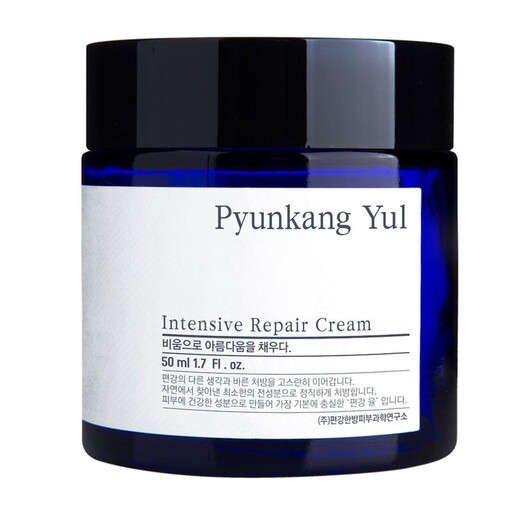
Why This Fits Their Persona: Ideal for those seeking a straightforward yet effective solution to strengthen their skin barrier. The formula focuses on essential, soothing ingredients without unnecessary irritants.
The cream is not overly heavy or greasy. It delivers intense moisture without weighing down the skin, thus avoiding the trap of a pore-clogging texture.
Contains Ceramide NP, shea butter, and macadamia seed oil to support the skin barrier. The lightweight texture absorbs well.
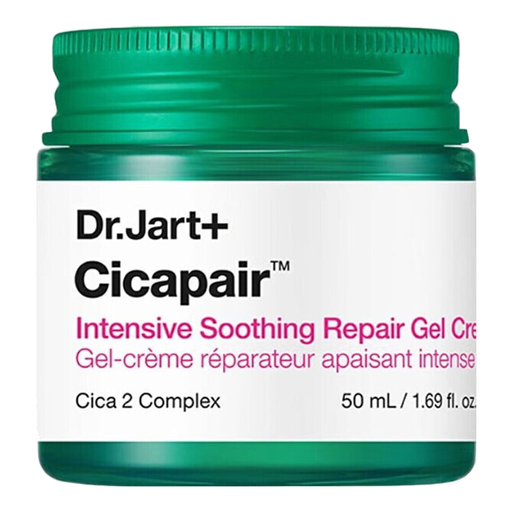
Why This Fits Their Persona: Perfect for individuals whose skin reacts to stress with redness and irritation. The formula is specifically designed for soothing skincare.
This product bypasses the "miracle ingredient" ploy, as its main active ingredient, Centella Asiatica (Tiger Grass), and its derivatives are featured prominently on the INCI list, indicating an effective concentration.
The gel-cream texture soothes without feeling heavy. Its green-to-beige technology provides immediate visible correction for redness.
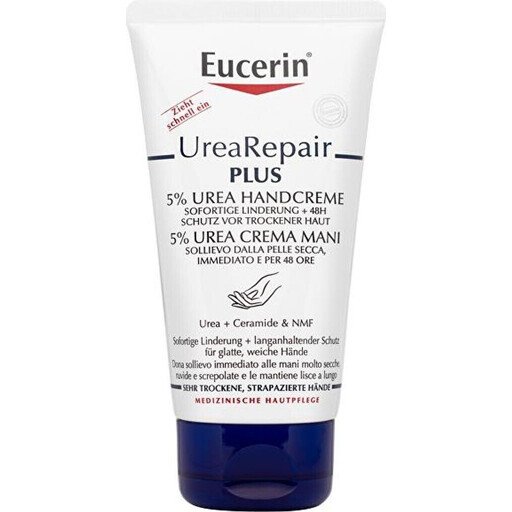
Why This Fits Their Persona: Although labelled as a hand cream, its formula is a prime example of intensive repair care. It's ideal for anyone looking to target extremely dry, cracked, or rough patches of skin on the body (e.g., elbows, feet).
The concentration of the main active ingredient is clearly declared as 5% Urea. The user knows exactly what they are getting for targeted, intensive hydration.
The combination of Urea, Ceramides, and Natural Moisturising Factors (NMFs) offers immediate relief and long-lasting protection against dryness.
We have compiled a complete, up-to-date list of products that fully meet these strict selection criteria and comply with current safety regulations.
1. How long does it take for a repair cream to strengthen the skin barrier? Skin improvement is a gradual process. With consistent use (typically twice a day), initial improvements in hydration and a reduction in tightness can often be felt within two to four weeks. This roughly corresponds to the skin's natural renewal cycle.
2. Can I use a repair cream on oily or acne-prone skin? Yes, it's possible and sometimes even necessary, as oily skin can also have a damaged barrier. The key is to choose the right texture. Look for lightweight formulations like gel-creams or products explicitly labelled as "non-comedogenic" (non-pore-clogging).
3. What is the difference between a repair cream and a regular moisturiser? A conventional moisturiser primarily aims to preserve the skin's water content. A repair cream goes a step further: it also contains targeted active ingredients like ceramides, peptides, or urea to actively support the skin barrier's structure and promote its regeneration. It is specifically designed for the needs of stressed, sensitive, or damaged skin.