
Lieferung heute & morgen

Qualitätsgarantie

Willkommens-Angebote freischalten: KOSTENLOSE Lieferung | Bis zu 80 % RABATT | Kostenlose 30-Tage-JoyPlus-Testphase
App herunterladen
The search for an effective Retinol Cream can quickly become complex. The market is filled with products promising visible improvements to your skin, but the differences in formulation, concentration, and active ingredient types are significant. As a Joybuy Product Recommendation Officer, my mission is to provide you with objective, practical information so you can make an informed decision and avoid common purchasing pitfalls.
Many users invest in a wrinkle cream only to be disappointed by skin irritation or a lack of results. This is often due to three common misconceptions, which we will clarify here.
To find an anti-ageing cream that suits your skin's needs, you should check three core parameters before making a purchase.
The effectiveness and tolerability of a retinol face cream largely depend on the form of vitamin A used.
To start, it is recommended to begin with a low concentration (e.g., 0.05% - 0.1% pure retinol) and slowly increase the frequency of application.
A good retinol night cream should do more than just fight wrinkles. Look for ingredients that support the skin during its renewal process and provide skin firming and moisture.
Retinol makes the skin more sensitive to light. Therefore, most retinol products, especially creams and a retinol serum, are recommended for evening use. Even more important is the consistent use of a broad-spectrum sunscreen with a high SPF (at least 30, preferably 50) the next morning and every day thereafter. Without this protection, you not only risk sun damage but also undermine the positive effects of retinol.
Based on the criteria mentioned, we have identified some products that are suitable for different needs and experience levels.
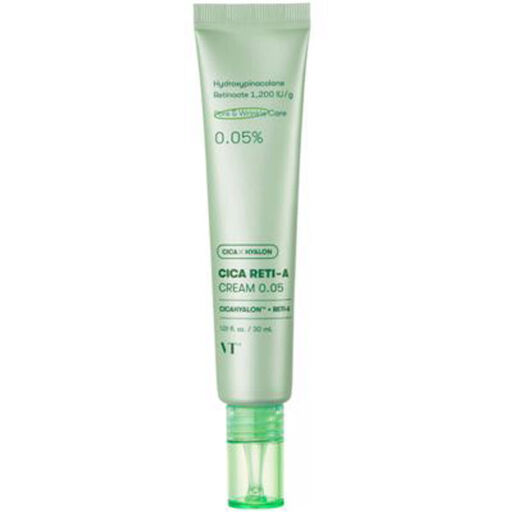
Why This Fits Their Persona: Ideal for individuals using retinoids for the first time or who have very reactive skin. The formulation is designed to slowly acclimate the skin to the active ingredient while simultaneously providing a soothing effect.
Avoids the "high-concentration" trap by using a mild dose of 0.05% retinol combined with the gentler HPR. The focus is on tolerability and gradual acclimatisation.
Contains the CICAHYALON complex with Centella Asiatica and triple hyaluronic acid to intensely hydrate and soothe the skin.
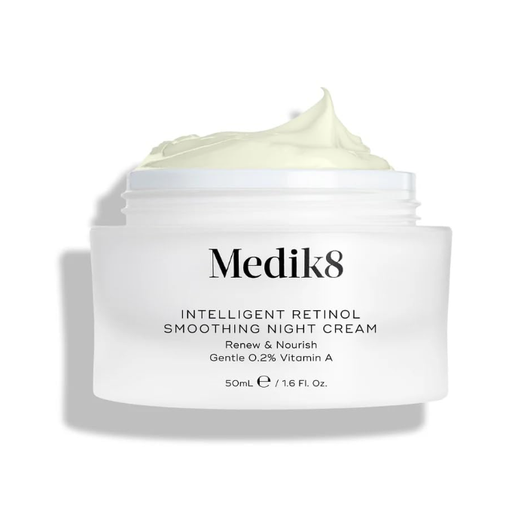
Why This Fits Their Persona: Suitable for users whose skin is already accustomed to retinol and who are looking for an effective night treatment to improve skin texture and fine lines without sacrificing nourishment.
Addresses the "neglecting the formulation" trap with an intelligent time-release technology. The retinol is delivered gradually, which maximises efficacy and minimises irritation potential.
Contains 0.2% time-release retinol as well as Vitamin E and Dragon Fruit extract to provide additional protection against free radicals.
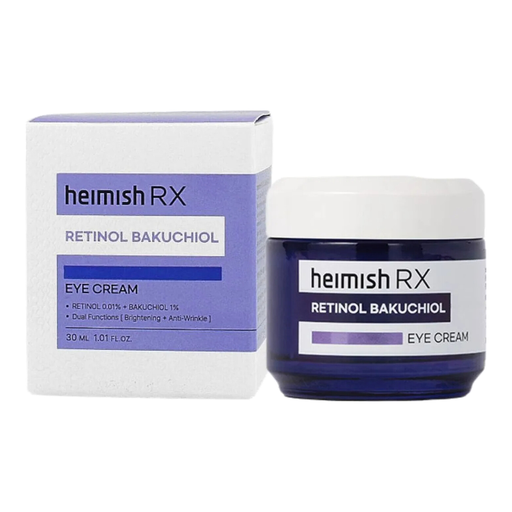
Why This Fits Their Persona: Perfect for users looking for a special retinol eye cream to specifically target fine lines and loss of elasticity in the delicate eye area.
Solves the "confusing retinoid types" trap by specifically combining a very low dose of retinol (0.01%) with the plant-based alternative bakuchiol (1%), which is ideal for the sensitive eye area.
The formula also contains 5% niacinamide to brighten dark circles and a cooling metal applicator that can help promote microcirculation.
We have compiled a complete, real-time updated list of products that fully meet these strict selection criteria and all relevant safety regulations.
For beginners, it is recommended to start by applying the retinol cream only two to three times a week in the evening to cleansed skin. Observe how your skin reacts. If there is no significant irritation after two to three weeks, you can slowly increase the application to every other night and eventually to every night, provided your skin tolerates it well.
It is generally advisable not to use retinol and Vitamin C immediately after one another in the same routine to minimise the risk of skin irritation. A proven method is to use Vitamin C in your morning routine (followed by sunscreen) and retinol in your evening routine. This allows you to benefit from both active ingredients without overwhelming your skin.
The main difference lies in the texture and formulation. A retinol serum typically has a lighter, more fluid consistency and a higher concentration of active ingredients designed to penetrate deeper into the skin. A retinol cream is richer and often contains more nourishing and moisturising ingredients like lipids and oils. A cream also forms a protective layer on the skin. For dry or mature skin, a cream may be more comfortable, whereas oilier skin types often prefer a serum.