
Lieferung heute & morgen

Qualitätsgarantie

Willkommens-Angebote freischalten: KOSTENLOSE Lieferung | Bis zu 80 % RABATT | Kostenlose 30-Tage-JoyPlus-Testphase
App herunterladen
A good reusable water bottle is an everyday companion. Yet, the search for the right model can quickly become overwhelming. Many promises turn out to be marketing hype, and the true weaknesses often only appear after a few weeks of use. Before you make a decision, you should know the most common pitfalls that lead to leaky bags, bad taste, or hygiene problems.
As a Joybuy Product Recommendation Officer, I see what truly matters every day. Here are the three most common problems that buyers overlook:
To avoid these problems, you should focus on three objective criteria instead of trusting advertising claims.
The BPA-free water bottle label is now a basic standard, not a special quality feature. The real distinction lies in the base material used:
The reliability of a bottle largely depends on its lid. The quality of the silicone seal is crucial here. It must fit precisely into the lid and should not shift easily.
Not every bottle is suitable for every purpose. Always check the manufacturer's specifications on the following points before buying:
Based on these objective criteria, we have identified a few models that are particularly well-suited for specific use cases.
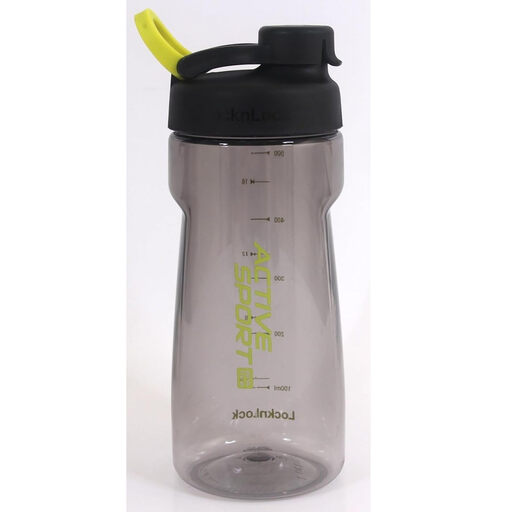
Why This Fits Their Persona: With a 730 ml capacity, a lightweight Tritan body, and a one-handed closure, this bottle is tailored to the needs of athletes. It provides enough hydration for longer training sessions without adding unnecessary weight.
The lid features an additional locking clip. This secures the flip-top mechanism and prevents accidental opening in a gym bag—a clear advantage over simple click-lock lids.
Tritan Material: Robust, lightweight, and taste-neutral. Safety Lock: Reliably prevents leaks during transport.
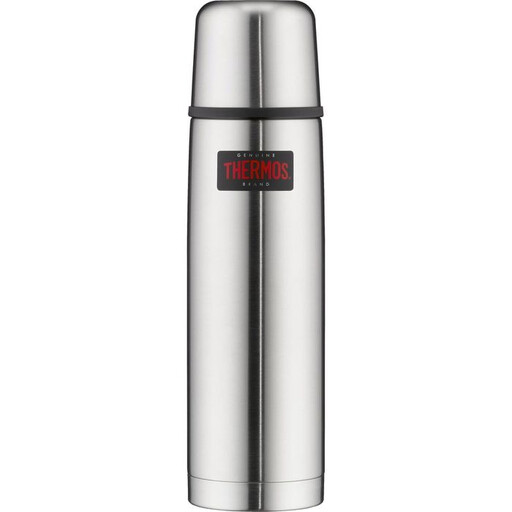
Why This Fits Their Persona: Anyone who wants to enjoy hot tea in the winter or ice-cold water in the summer needs high-performance insulation. This double-walled stainless steel model is designed for exactly that, offering superior insulation for all-day use.
Unlike many lifestyle bottles, this model features a disassemblable auto-seal closure that allows for thorough cleaning. The absence of an internal coating ensures that the taste of your beverages remains pure and unadulterated.
High Insulation Performance: Keeps contents hot for up to 18 hours and cold for 24 hours, according to the manufacturer. Robust Stainless Steel: Impact- and shatter-resistant for a long lifespan.
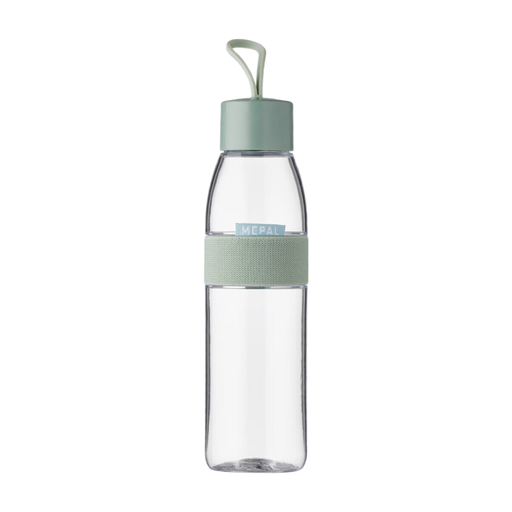
Why This Fits Their Persona: For anyone who doesn't want to go without their sparkling water on the move. This bottle is explicitly approved by the manufacturer for use with carbonated beverages and features a screw-top lid designed for this purpose.
It bypasses the "leak-proof" trap for sparkling drinks by relying on a simple but robust screw-top lid that can withstand the pressure. The manufacturer provides a clear warning not to fill the bottle to the brim to manage the pressure safely.
Suitable for Carbonation: Explicitly designed for transporting carbonated drinks. Dishwasher-Safe: Easy to clean (without the retaining strap).
We've compiled a complete, up-to-date list of products that fully meet these strict selection criteria and German safety regulations.
For hygienic cleaning, you should rinse the bottle with warm water and mild dish soap after each use. It's important to clean all parts—bottle body, lid, and seals—separately. A bottle brush helps to reach the bottom. Let all parts air dry completely before reassembling the bottle to prevent mould growth.
No. Always check the manufacturer's specifications. Plastic bottles made from materials like Tritan are often only designed for cold or lukewarm drinks up to a certain temperature (e.g., 60°C / 140°F) and are not built for the pressure of carbonated beverages. For hot liquids, an insulated bottle made of stainless steel is the safe choice. For sparkling water, you need a model that is explicitly labelled as a bottle for carbonated drinks.
"BPA-free" means that the chemical Bisphenol A was not used in the manufacturing of the plastic. This is now a standard for most high-quality water bottles. However, other plasticisers may still be present. Materials like Tritan or high-quality stainless steel (18/8) are naturally free of such substances and are considered particularly safe and taste-neutral options.