Choosing the right variety of rice is a fundamental decision that significantly impacts the outcome of a dish. The physical and chemical properties of the rice grain—particularly its length and starch content—determine its texture, aroma, and cooking behaviour. For home cooks, families, and professional kitchens that use rice regularly, understanding these parameters is crucial for achieving consistent and authentic culinary results. This guide analyses the technical criteria for selecting rice and presents a curated selection of products for specific applications.
Buyer's Guide: Objective Criteria for Selecting Rice
The decision of which rice to buy should be based on measurable characteristics. The following criteria provide a structured framework for your selection.
1. Grain Length and Starch Composition
The texture of cooked rice is primarily determined by the ratio of two types of starch: amylose and amylopectin.
- Long-grain rice (e.g., Basmati, Jasmine): These grains are at least 6 mm long. They have a high amylose content, which causes them to remain fluffy, grainy, and separate after cooking. Long-grain rice is therefore ideal for dishes where distinct, individual grains are desired, such as curries, pilafs, or as a side dish.
- Medium-grain rice (e.g., Risotto rice, Sushi rice): With a length of 5.2 to 6 mm, this rice has a lower amylose and higher amylopectin content. This gives it a moister, creamier, and slightly sticky consistency. It is the technical requirement for dishes like risotto or sushi rice, where the grains need to cling together.
- Short-grain rice (e.g., Rice for pudding, Paella rice): These grains are shorter than 5.2 mm and very starchy. They absorb a lot of liquid and become very soft and sticky when cooked, making them perfect for desserts or paella.
2. Aroma: Neutral vs. Aromatic
Some rice varieties have a distinct natural aroma, created by volatile compounds like 2-acetyl-1-pyrroline.
- Aromatic rice: Varieties like Basmati rice from the foothills of the Himalayas or Jasmine rice from Thailand fall into this category. Basmati has a nutty, earthy aroma, while Jasmine rice is more floral.
- Neutral rice: Many medium- and short-grain rice varieties are designed to be neutral in flavour, allowing them to absorb and carry the aromas of the other ingredients in a dish.
3. Package Size and Storage
For households and businesses with high rice consumption, bulk packaging is a cost-effective option. Common formats include 5kg rice, 10kg rice, or even larger bags up to 18 kg. A bulk rice purchase reduces the cost per kilogram and minimises packaging waste. For optimal shelf life, rice should always be stored in an airtight container in a cool, dry, and dark place to protect it from moisture and pests.
Our Product Recommendations
The following products have been selected based on their specifications and intended use.
For Congee and Quick Everyday Meals: Green Dragon Thai Fragrant Double Broken Rice 18kg
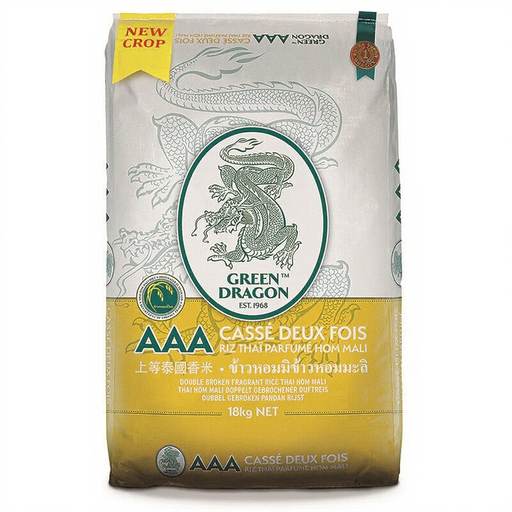
- Why we recommend this product: The "Double Broken" specification refers to rice grains that have been broken into smaller pieces. This increased surface area leads to a shorter cooking time and higher water absorption. The result is a soft, porridge-like consistency that is technically ideal for preparing Asian rice porridge (congee). The 18kg bulk bag offers excellent value for money for frequent users.
- Pros:
- Short cooking time due to broken grain size
- High absorbency for flavours
- High-yield 18kg package
- Authentic Thai Jasmine fragrance
- Best for: Families and small food businesses that regularly need congee, rice porridge, or a quick-cooking rice side for Asian dishes.
For Authentic Sushi: i-Sushi Medium Grain Rice 10kg
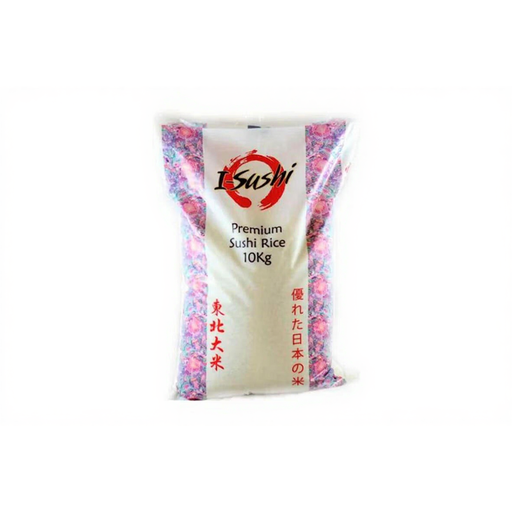
- Why we recommend this product: This medium-grain rice is specially selected for preparing sushi. Its starch composition provides the necessary stickiness after cooking, allowing maki rolls and nigiri to hold their shape without the individual grains losing their texture. The 10kg bag is an ideal size for ambitious home cooks and sushi bars.
- Pros:
- Optimal stickiness and texture for sushi
- Grains remain defined even after shaping
- Convenient 10kg rice bulk pack
- Subtle flavour that doesn't overpower the fish and other ingredients
- Best for: Users who prioritise the correct consistency for making Japanese sushi, onigiri, or other sticky rice dishes.
For Aromatic Curries and Biryanis: Tilda Pure Basmati Rice 5Kg
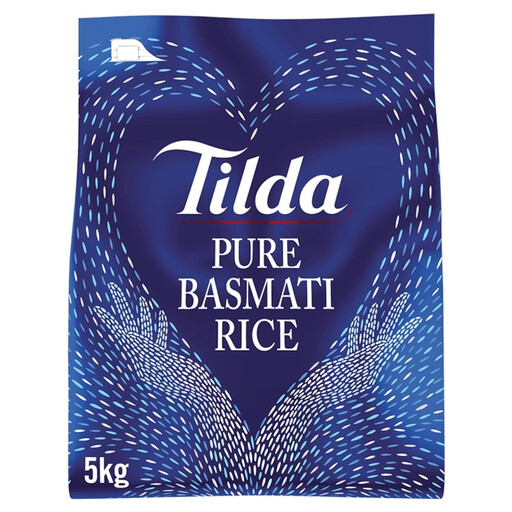
- Why we recommend this product: Tilda Basmati Rice is made from grains sourced from the foothills of the Himalayas, according to the manufacturer. This origin is renowned for producing exceptionally long and aromatic rice grains. When cooked, it yields a fluffy, fragrant, and non-sticky texture characteristic of high-quality Basmati rice. The 5kg bag strikes a good balance between bulk savings and freshness.
- Pros:
- Long, slender grains with a fluffy texture
- Distinct, nutty aroma
- Manageable 5kg rice package size
- Versatile for Indian and Middle Eastern dishes
- Best for: Cooks who prepare authentic Indian dishes like biryani or curries and prefer an aromatic, grainy rice as a base.
More Options for Basmati Lovers
If you are specifically looking for the unique properties of Basmati rice but are considering other varieties or package sizes, you can find a wider selection in our premium basmati rice category.
Frequently Asked Questions (FAQ)
1. What is the difference between Basmati and Jasmine rice? The main differences lie in their origin, grain length, and aroma. Basmati rice typically comes from India or Pakistan, has very long, slender grains, and a nutty aroma. It cooks up very fluffy and grainy. Jasmine rice originates from Thailand, has slightly shorter but still long grains, and a more floral aroma reminiscent of pandan. It is slightly softer and stickier than Basmati after cooking.
2. How do I properly store a bulk bag of rice? To maintain the quality of rice in bulk packaging (e.g., 10 kg or more), it's best to transfer it into one or more large, airtight containers made of food-grade plastic, glass, or metal after opening. Store these containers in a cool (below 20°C / 68°F), dry, and dark place, such as a pantry or cellar. This protects the rice from moisture, pest infestation, and loss of aroma.
3. Should rice be washed before cooking? Yes, in most cases, it is highly recommended. Rinsing rice in cold water removes excess starch from the grain's surface. This process prevents the rice from becoming too sticky or clumpy during cooking and results in a better, more defined texture for each grain. Rinse the rice until the water runs mostly clear.


