
Lieferung heute & morgen

Qualitätsgarantie

Willkommens-Angebote freischalten: KOSTENLOSE Lieferung | Bis zu 80 % RABATT | Kostenlose 30-Tage-JoyPlus-Testphase
App herunterladen
Choosing the right type of rice can make or break a dish. Whether you're preparing an aromatic biryani, perfectly formed sushi, or a fragrant side, each recipe has specific requirements for the grain. For restaurants, caterers, and discerning home chefs, navigating the vast array of rice varieties to find the perfect match and procure the right quantity can be a challenge.
This guide is designed to provide clear direction. We'll outline objective criteria for selection and present a curated list of rice varieties suited for specific culinary applications, available in 1 kg packs for home use or as bulk rice for professional needs.
Three key factors are crucial for making the right choice: grain type, variety, and package size.
The length of the rice grain significantly influences its texture after cooking. There are three main types:
Basmati rice and Jasmine rice, is the foundation for curries, stir-fries, salads, and side dishes.sushi rice or rice pudding.Within the long-grain category, aromatic rice varieties are especially popular. The two most well-known are Basmati and Jasmine.
The choice of package size depends on your individual consumption. While a 1 kg bag is sufficient for occasional use or for trying a new variety, bulk sizes offer clear advantages for certain user groups. A 20 kg ricebulk bag is often more economical and ensures a consistent supply for restaurants, commercial kitchens, and large families.
Here is a selection of rice varieties chosen for their specific properties, making them ideal for different culinary purposes.
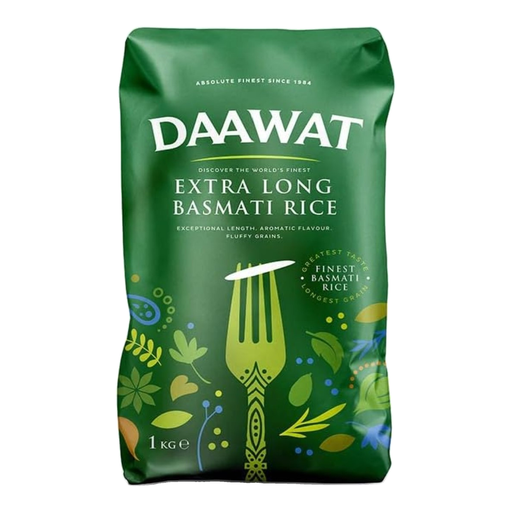
Why It Stands Out: This Basmati rice is distinguished by its exceptionally long grains. According to the manufacturer, the grains can reach a length of up to 24 mm after cooking. A natural ageing process gives the rice a delicate, nutty aroma and a light, non-sticky texture.
Benefits:
Who It's For: Discerning home chefs and families who value authentic Indian or Persian cuisine and are looking for a high-quality Basmati rice in a standard 1 kg household pack.
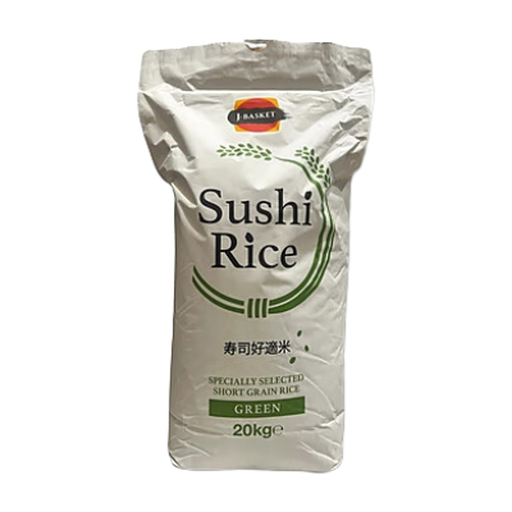
Why It Stands Out: J-BASKET sushi rice is a specially selected short-grain rice that delivers the ideal stickiness and texture required for sushi preparation. The 20 kg ricebulk bag is designed to meet the needs of professional kitchens, ensuring consistent quality for high-volume use.
Benefits:
Who It's For: Food service businesses such as sushi restaurants, caterers, and commercial kitchens that need a reliable supply of sushi rice in bulk to guarantee consistent product quality.
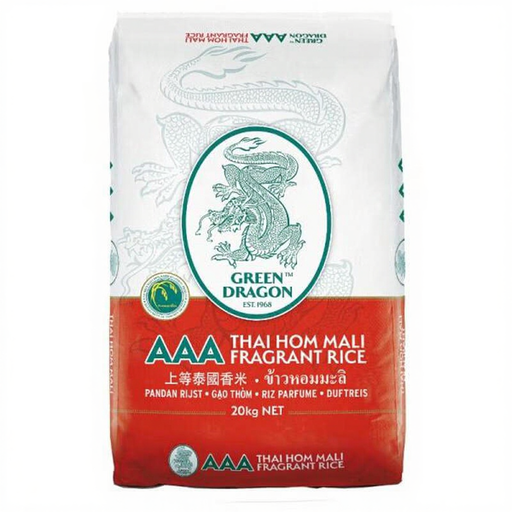
Why It Stands Out: This Thai fragrant rice (Hom Mali) is a premium long-grain rice known for its distinct floral aroma. It cooks up light and fluffy while maintaining a delicate, non-sticky texture. The 20 kg package offers excellent value for high-volume users.
Benefits:
Jasmine rice with its characteristic fragrance.20 kg rice bag is ideal for restaurants and large families.Who It's For: Asian restaurants, canteens, caterers, as well as large families and bulk buyers who need an authentic and aromatic Jasmine rice for regular use.
If you haven't found what you're looking for in our selection or wish to expand your range of pantry staples, you can find more products in our shop. For example, explore our selection of Asian noodle specialities.
Discover Our Selection of Green Noodles
Both are aromatic long-grain rice varieties, but they differ in aroma, origin, and texture. Basmati rice from India/Pakistan has very long, thin grains, a nutty aroma, and cooks up very fluffy. Jasmine rice from Thailand has slightly shorter grains, a floral aroma, and a softer, slightly sticky consistency.
A bulk bag of rice should be stored in a cool, dry, and dark place. After opening, it is advisable to transfer the rice into several airtight containers. This protects it from moisture, pests, and loss of aroma.
Yes, washing sushi rice is an essential step. This process removes excess starch from the surface of the grains. It prevents the rice from becoming mushy and ensures the right texture, allowing the grains to hold together well without being gluey. The rice should be rinsed with cold water until the water runs clear.