
Lieferung heute & morgen

Qualitätsgarantie

Willkommens-Angebote freischalten: KOSTENLOSE Lieferung | Bis zu 80 % RABATT | Kostenlose 30-Tage-JoyPlus-Testphase
App herunterladen
Deciding which rice to buy can be more complicated than expected, given the sheer abundance of options. Whether for an authentic curry, perfect sushi, or a nutrient-rich meal, the right type of rice is crucial for the dish's success. However, vague product descriptions and marketing promises often lead to disappointing results in the kitchen. This guide will help you understand the essential characteristics of rice and make an informed choice.
Before we dive into the details, let's look at two common problems that lead to poor purchasing decisions:
To find the right rice, you should consider three fundamental properties. These are the primary determinants of aroma, texture, and cooking behaviour.
The shape of the rice grain is a primary indicator of its cooking properties. There are three main types:
The texture of cooked rice is determined by the ratio of two types of starch: amylose and amylopectin.
The processing of the rice grain has a major impact on its nutritional value, flavour, and cooking time.
Here are some recommendations tailored to specific culinary profiles, designed to help you avoid the common pitfalls.
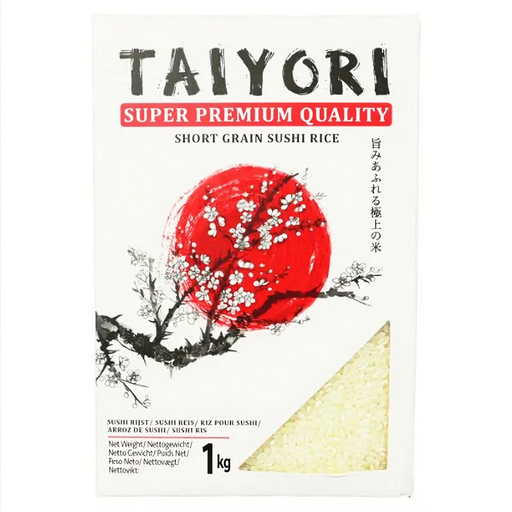
Why it's a great fit: Specially selected for preparing authentic sushi. This short-grain rice provides the necessary sticky yet mouldable texture that is essential for rolling maki and shaping nigiri.
This product is clearly labelled as Sushi Rice, not a vague "all-purpose rice." You get exactly the variety needed for your purpose, thus avoiding unsuitable results.
Achieves an ideal consistency that holds its shape well. Consists of pure sushi rice with no added allergens.
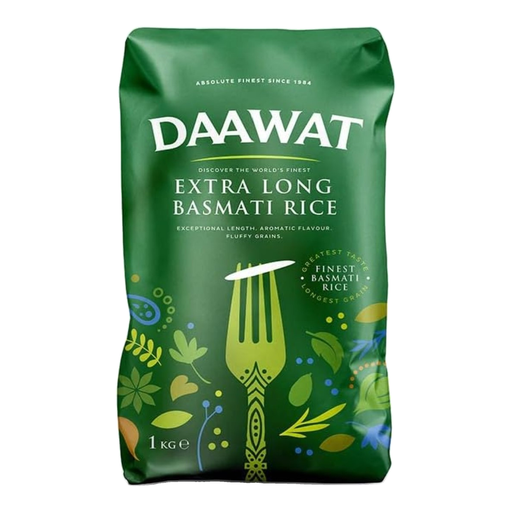
Why it's a great fit: This aromatic rice is ideal for anyone seeking fluffy, separate grains with a distinct aroma. It pairs perfectly with Indian dishes like Biryani and Pulao or as a side for saucy dishes.
The "Extra Long" designation is a specific, verifiable characteristic, not an empty marketing promise. You know exactly what texture to expect.
The grains elongate up to 24 mm when cooked. The rice is naturally aged to develop its nutty aroma and light, non-sticky texture.
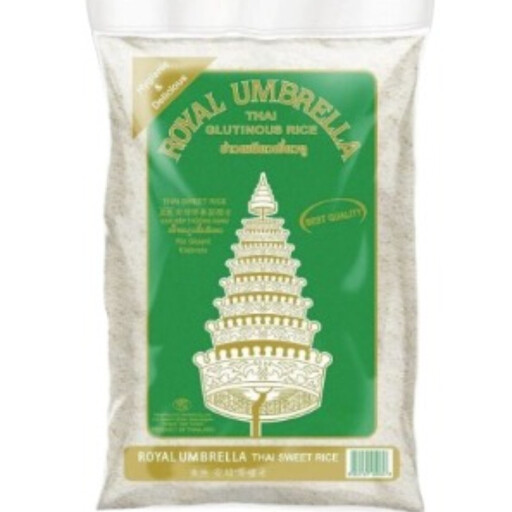
Why it's a great fit: For preparing Southeast Asian desserts like Mango Sticky Rice, glutinous rice is indispensable. This variety delivers the extremely sticky and chewy consistency required for such dishes.
The clear "Glutinous Rice" label ensures you get the rice with the highest amylopectin content, preventing an unsuitable rice from ruining your dessert.
Consists of 100% pure Thai glutinous rice, known for its distinctly sticky texture and subtle sweetness after cooking.
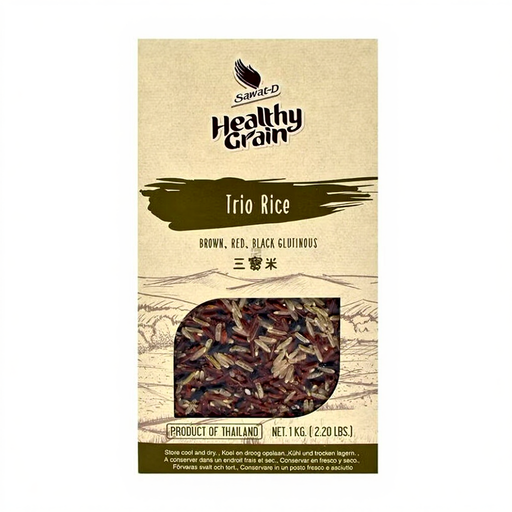
Why it's a great fit: This blend is ideal for anyone looking for a nutrient-dense alternative to white rice. It combines the benefits of brown wholegrain rice with the unique properties of red rice and black rice.
The composition is clearly declared (67% brown rice, 16.5% red cargo rice, 16.5% black glutinous rice). You get a transparent product instead of a non-specific "multi-grain rice."
Offers a higher nutrient density (e.g., 8.6g of protein and 3.0g of fat per 100g) and an interesting, firm texture. The blend provides flavour diversity.
We have compiled a complete, up-to-date list of products that fully meet these strict selection criteria and comply with current regulations.
Yes, in most cases, washing rice is recommended. It removes excess starch from the grain's surface, which leads to a cleaner, less sticky result (except for varieties where stickiness is desired). It also removes any potential impurities or dust from the processing stage. An exception is risotto rice, where the starch is needed for creaminess.
Rice should be stored in a cool, dry, and dark place. An airtight container is ideal to protect it from moisture, pests, and absorbing foreign odours from the kitchen. Wholegrain rice, in particular, should be used more quickly due to its higher fat content, as it can go rancid. Most Asian rice varieties in 1kg rice packs are vacuum-sealed to maximise freshness.
Yes, virtually any rice is suitable for a rice cooker. However, you will need to adjust the water-to-rice ratio and possibly the cooking program to suit the variety. Wholegrain rice typically requires more water and a longer cooking time than white rice. Many modern rice cookers have special settings for different rice types (e.g., "White Rice," "Brown Rice," "Sushi"), which simplifies the process. Always follow the instructions from your appliance manufacturer and the information on the rice packaging.