
Lieferung heute & morgen

Qualitätsgarantie

Willkommens-Angebote freischalten: KOSTENLOSE Lieferung | Bis zu 80 % RABATT | Kostenlose 30-Tage-JoyPlus-Testphase
App herunterladen
Choosing the right type of rice can make or break a dish. Whether for a fragrant curry, authentic sushi, or an aromatic biryani—not all rice is created equal. The variety of types, grain lengths, and aromas can be overwhelming. This guide is designed to help you make an informed decision and find the perfect rice for your next culinary project when you plan on ordering rice online.
To make the right choice, three criteria are particularly important: grain length, aroma, and intended use.
The length and shape of the rice grain largely determine its texture after cooking.
Some rice varieties are known for their special aroma, which adds an extra flavour dimension to a dish.
The choice of rice should always be based on the planned dish. For an Indian biryani, a fluffy Basmati rice is essential, while for Japanese sushi, only a special sushi rice with the right sticky properties will do. A Thai green curry pairs perfectly with the floral aroma of Jasmine rice.
Here is a selection of rice varieties suitable for specific culinary applications.
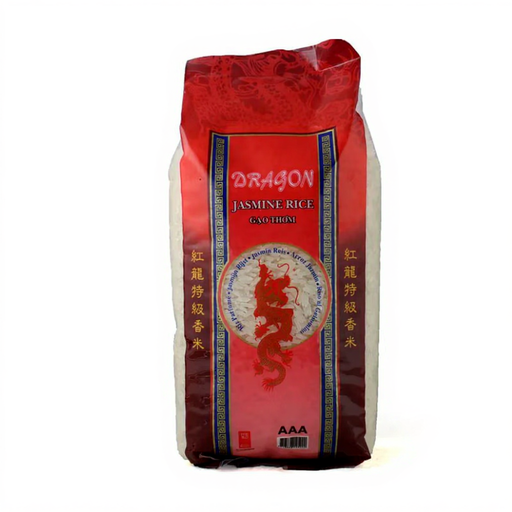
Why It Stands Out This Jasmine rice is vacuum-packed, which helps to preserve the freshness and characteristic floral aroma of the rice grains. It consists of 100% pure jasmine rice and provides an authentic base for Southeast Asian dishes.
Benefits
Who Is It For? For home cooks who want to prepare authentic Thai or Vietnamese dishes like curries, stir-fries, or rice as a side dish, and who value a distinct rice aroma.
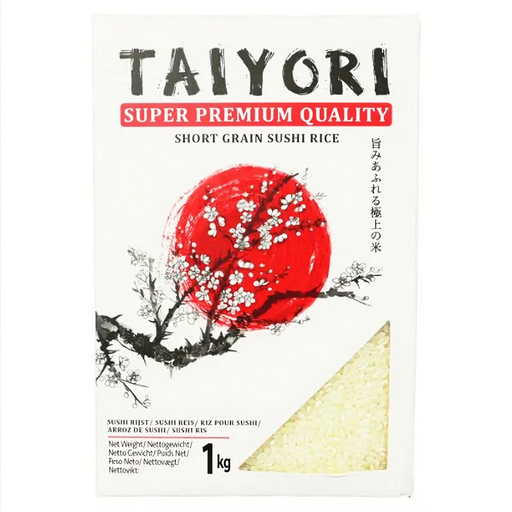
Why It Stands Out This sushi rice is a specially selected short-grain rice that delivers the sticky yet separate texture required for sushi. The grains adhere well to each other without becoming mushy, making it easier to shape nigiri and roll maki.
Benefits
Who Is It For? For anyone who wants to make authentic sushi, onigiri (rice balls), or donburi (rice bowls) at home and needs a rice that guarantees the right consistency.
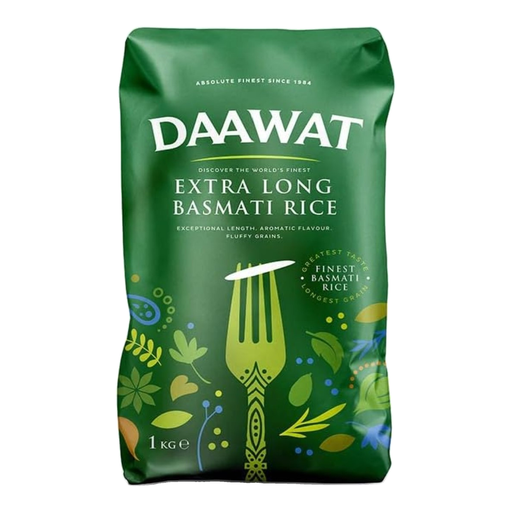
Why It Stands Out This Basmati rice is distinguished by its exceptionally long grains. According to the manufacturer, the grains can reach a length of up to 24 mm after cooking. The rice is naturally aged to develop its delicate, nutty aroma and a light, non-sticky texture.
Benefits
Who Is It For? For culinary enthusiasts preparing dishes like Indian biryani or Persian pulao, where long, separate, and fragrant rice grains are the centrepiece.
If the rice varieties presented here don't quite meet your needs, or if you require a different packaging size, you can find a wider selection in our category. There, you can compare different types and find the perfect rice for your recipe.
Discover our full range of 1 kg rice packs here.
Although both are long-grain and aromatic rice varieties, there are clear differences. Jasmine rice primarily comes from Thailand and has a floral, slightly sweet aroma and a softer, slightly sticky texture. Basmati rice is mainly grown at the foothills of the Himalayas, has a nuttier aroma, and cooks up very fluffy and dry.
The stickiness of sushi rice comes from its high starch content and proper preparation. The rice is first washed thoroughly to remove excess starch. After cooking, it is left to rest briefly and then seasoned with a mixture of rice vinegar, sugar, and salt. This seasoning mixture not only adds flavour but also contributes to the correct consistency.
No, an authentic risotto requires a special short- or medium-grain rice (e.g., Arborio, Carnaroli). These varieties have a high starch content, which they release during slow cooking to create the characteristic creamy consistency. A long-grain rice like Basmati would remain fluffy and separate and would not provide the desired texture for a risotto.