
Lieferung heute & morgen

Qualitätsgarantie

Willkommens-Angebote freischalten: KOSTENLOSE Lieferung | Bis zu 80 % RABATT | Kostenlose 30-Tage-JoyPlus-Testphase
App herunterladen
Rice vermicelli are a staple in many Asian cuisines, but the selection can be overwhelming. Whether for an authentic ph?, fresh summer rolls, or a light noodle salad, choosing the right type is crucial for the success of your dish. This guide is designed to help you find the perfect rice vermicelli for your culinary projects and dietary needs. We'll introduce you to different types and provide objective criteria to help you make an informed purchasing decision.
The right choice of noodle depends on several factors. The following three points offer guidance for selecting rice noodles that meet your specific requirements.
The thickness of the noodles greatly impacts their texture and suitability for specific dishes.
The choice between noodles made from polished rice and whole-grain rice is a matter of taste and nutritional preference.
A look at the packaging provides important information, especially for those with food intolerances.
Based on the criteria above, we've compiled a selection of products that cater to different needs.
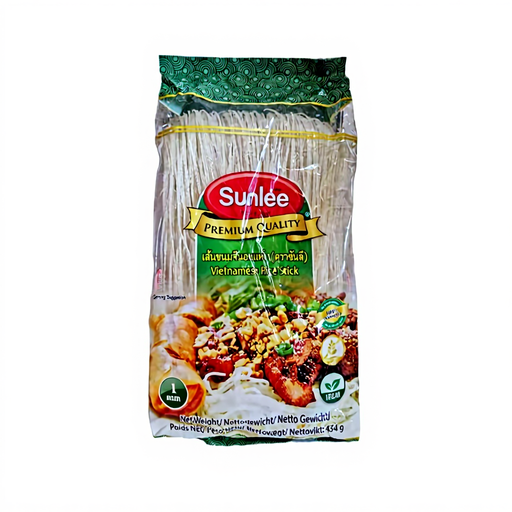
Why they stand out These rice vermicelli from Sunlee are a classic product for preparing traditional Vietnamese dishes. The designation "Bún t??i truy?n th?ng" indicates their suitability as authentic, fresh-style rice noodles. The ingredient list is minimalist and pure, with 100% rice.
Pros
Who it's for This product is a great choice for home cooks who appreciate the authentic taste of Vietnamese cuisine and are looking for a reliable base for dishes like Bún th?t n??ng or as noodles for summer rolls.
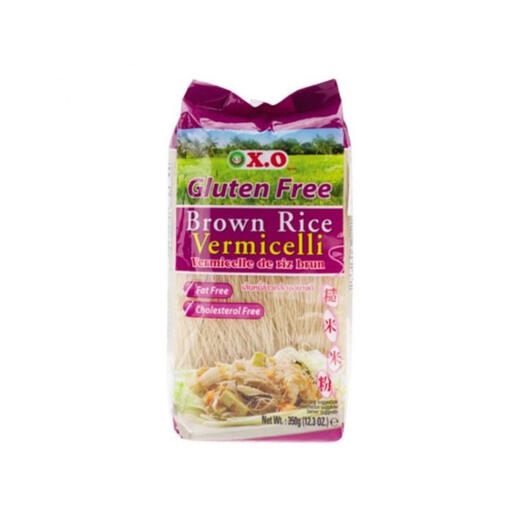
Why they stand out The X.O. Brown Rice Vermicelli are clearly positioned as a health-conscious alternative. They are made from 100% natural whole-grain brown rice and are explicitly labelled as gluten-free. The simple recipe of 88% whole-grain brown rice and 12% water highlights the focus on natural ingredients.
Pros
Who it's for Ideal for health-conscious consumers and individuals looking for a whole-food, gluten-free noodle alternative. Their mild flavour and firm texture make them suitable for stir-fries, soups, and cold salads.
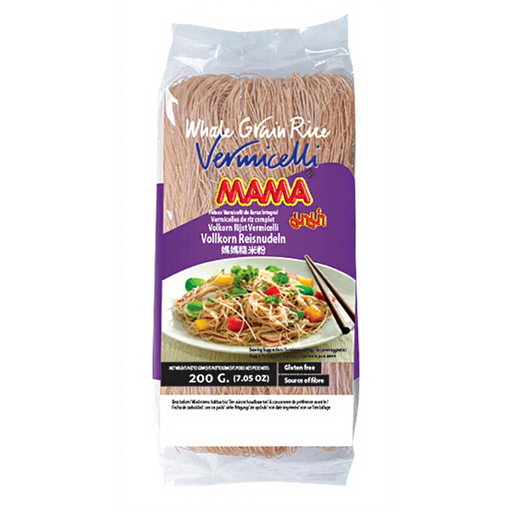
Why they stand out These whole-grain rice noodles from the MAMA brand stand out due to their specific composition. According to the manufacturer, they consist of over 60% whole-grain rice and 15% rice bran, which sets them apart from other whole-grain products. Rice bran is the nutrient-rich outer layer of the rice grain.
Pros
Who it's for This product is aimed at consumers specifically looking for a nutrient-dense, whole-grain option who appreciate the added value of ingredients like rice bran. The 200g package is convenient for smaller households or for trying them out.
If you're looking for other varieties, especially different types of brown rice noodles or specific noodle thicknesses, you might find the perfect product for your next dish in our wider selection.
Discover our full range of brown rice noodles here
1. Is all rice vermicelli gluten-free? Technically, yes, as rice is naturally gluten-free. However, cross-contamination with gluten-containing grains can occur during production and packaging. Therefore, individuals with celiac disease should always look for an official 'gluten-free' seal on the packaging to be safe.
2. How do you prepare rice vermicelli correctly? Unlike wheat pasta, rice vermicelli is usually soaked rather than boiled. The most common method is to place the dry noodles in a bowl and cover them with hot (not boiling) water. They are ready in about 3–7 minutes, depending on their thickness. Afterwards, rinse them in a sieve with cold water to stop the cooking process and prevent them from sticking together. Always follow the preparation instructions on the package.
3. What is the difference between rice vermicelli and rice stick noodles? The main difference is their shape. Rice vermicelli are thin, round noodles, similar in cross-section to spaghetti. Rice stick noodles (also called Banh Ph?) are flat and wide, similar to fettuccine. While vermicelli is often used for salads, summer rolls, and lighter soups (Bún), rice stick noodles are the classic choice for dishes like Ph? or Pad Thai.