
Lieferung heute & morgen

Qualitätsgarantie

Willkommens-Angebote freischalten: KOSTENLOSE Lieferung | Bis zu 80 % RABATT | Kostenlose 30-Tage-JoyPlus-Testphase
App herunterladen
With so much variety, the decision to buy a Riesling can seem overwhelming. The shelves are filled with options, ranging from dry Riesling from the Pfalz region to special VDP Riesling wines from Rheinhessen. At the same time, there is growing demand for thoughtful alternatives like high-quality non-alcoholic Riesling.
As your Joybuy Product Recommendation Officer, my job is to offer you clear guidance. This guide introduces a selection of Riesling wines that cater to different needs and occasions, and provides you with objective criteria to help you make your own choice.
To find the right German Riesling, a little basic knowledge about labels, origins, and styles can be very helpful.
Two designations are particularly useful for assessing a wine's quality and production methods:
Riesling is heavily influenced by its terroir—the interplay of soil, climate, and location. Two of the most famous German growing regions for Riesling are:
The most important question is: What do you plan to use the wine for?
Based on these criteria, we have put together a selection that represents different profiles and occasions.
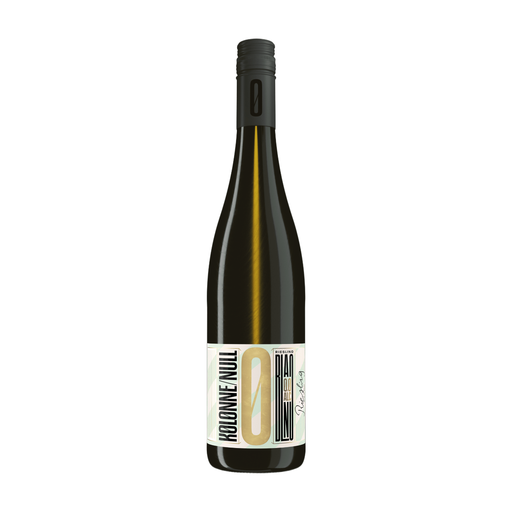
Why It Stands Out: The Kolonne Null wine is more than just grape juice. It is created in collaboration with award-winning wineries. The alcohol is gently removed from the finished wine via vacuum distillation, which preserves its characteristic aromas.
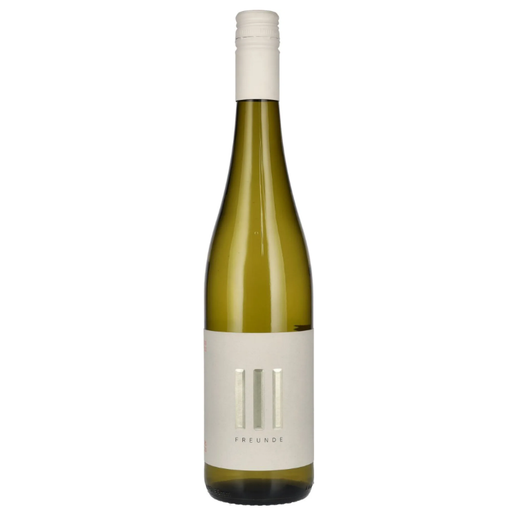
Why It Stands Out: The III Freunde Wein is a project by German celebrities Joko Winterscheidt and Matthias Schweigh?fer. Their goal was to create a high-quality yet uncomplicated wine that stands for sociability and enjoyment.
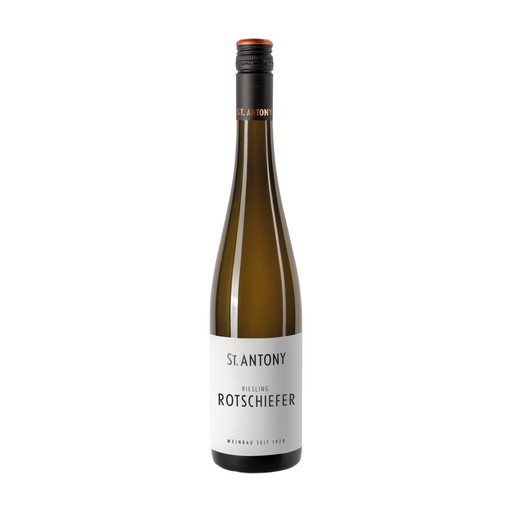
Why It Stands Out: This VDP Riesling comes exclusively from the famous "Roter Hang" (Red Slope) in Rheinhessen. The St. Antony winery is certified biodynamic (Demeter). The red slate soil gives the wine a pronounced minerality and finesse.
The world of Riesling is vast and diverse. If you want to explore other options, from sweet "Sp?tlese" to other dry, characterful wines, you are sure to find the right one in our broader selection.
Discover our entire selection of Riesling wine
The term "trocken" (dry) is legally defined. In Germany, a wine is considered dry if its residual sugar content does not exceed 9 grams per litre. In this case, the acidity level can be no more than 2 g/l lower than the residual sugar value. With Riesling, its typically high acidity ensures that even dry wines with a bit more residual sugar still taste fresh and not sweet.
By law, the "non-alcoholic" designation allows for a residual alcohol content of up to 0.5% vol. Many products in this category use this allowance. However, the Kolonne Null Riesling featured here is declared by the manufacturer as having 0.0% alcohol, making it a particularly safe choice for those strictly avoiding alcohol.
VDP stands for the "Verband Deutscher Pr?dikats- und Qualit?tsweingüter" (Association of German Pr?dikat and Quality Wine Estates). It is a private association of wineries that have committed themselves to stricter quality guidelines than those required by German wine law. A VDP Riesling guarantees high quality that is strongly tied to its origin (terroir). The classification ranges from VDP.Gutswein (estate wine) to VDP.Grosse Lage (grand cru), which represents the pinnacle of the quality pyramid.