
Lieferung heute & morgen

Qualitätsgarantie

Willkommens-Angebote freischalten: KOSTENLOSE Lieferung | Bis zu 80 % RABATT | Kostenlose 30-Tage-JoyPlus-Testphase
App herunterladen
The idea is tempting: a single device that not only vacuums and mops, but also empties, cleans, and dries itself. A robot vacuum and mop with a self-emptying station promises just that—the ultimate in autonomous floor care. But the market is flooded with marketing promises that often fall short in practice. Before you make an investment, it's crucial to separate the hype from the reality. This guide will help you identify the key features that matter and avoid common purchasing pitfalls.
Many devices look impressive on paper, but their weaknesses quickly become apparent in daily use. Pay close attention to these three points to avoid disappointment:
To make the right choice, don't be dazzled by raw performance specs alone. The following three parameters are central to the everyday performance of a robot vacuum and mop with an auto-empty dock.
The station is the heart of an autonomous system. Its capabilities determine how much work is actually taken off your hands. Check for the following functions:
A good robot vacuum for carpets and hard floors must be able to adapt to different surfaces. The brush system plays a key role here, especially for robot vacuums for pet hair.
The robot's ability to move intelligently and safely through your home is fundamental.
Based on the criteria above, we have identified several models that represent a smart choice for different needs and households.
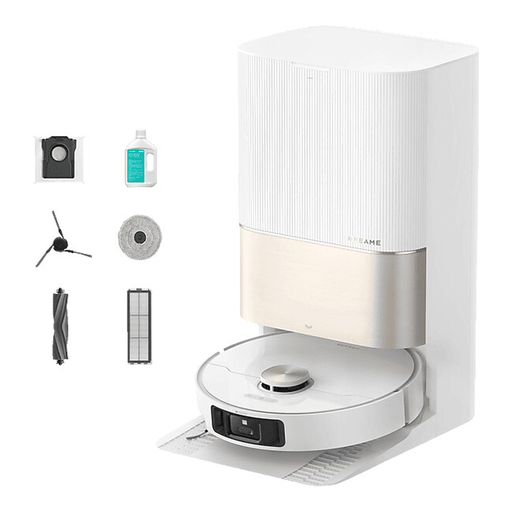
Why This Fits Their Persona: Ideal for users seeking maximum autonomy and a deep clean that reaches every corner. The system is designed to reduce manual effort to an absolute minimum.
The combination of an extendable mop (MopExtend) and an extendable side brush solves the problem of poor edge cleaning. According to the manufacturer, the station cleans the mops with 70°C hot water and then dries them, preventing odour build-up.
The OmniDirt technology detects the level of dirt and adjusts the cleaning intensity accordingly. The mops can not only be lifted but also completely detached if needed, offering optimal protection for high-pile carpets.
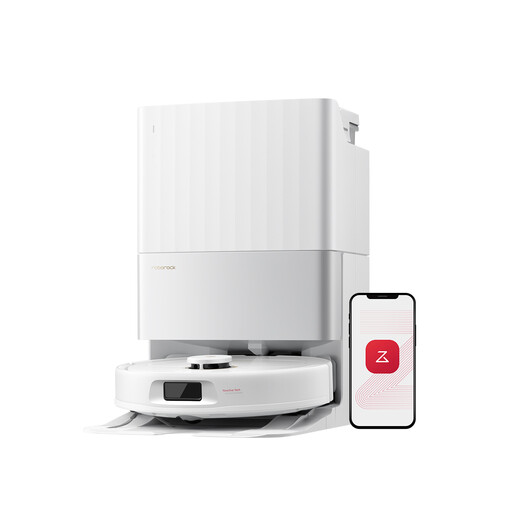
Why This Fits Their Persona: For pet owners, removing hair without constantly having to untangle the brush is a primary concern. This model combines high suction power with a system specifically designed to tackle this problem.
The "dual anti-tangle system" with two rubber brushes, according to the manufacturer, actively prevents hair from getting tangled. The intelligent obstacle avoidance helps it reliably navigate around toys or pet bowls.
The FlexiArm mops improve edge cleaning. The station also offers hot-air mop drying, which enhances hygiene compared to cold-water-only systems.
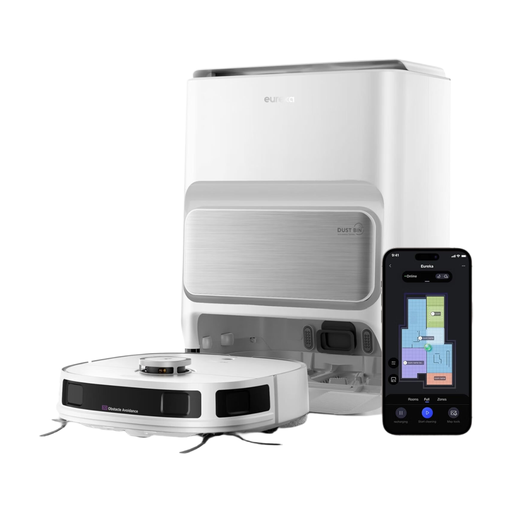
Why This Fits Their Persona: For users who want the convenience of a fully automatic station with dust emptying, mop washing, and drying, but don't want to pay the premium for absolute top-tier models.
This model offers an all-in-one station that, according to the manufacturer, includes self-emptying for up to 75 days, mop cleaning, and 55°C hot-air drying. This helps it avoid the pitfall of a high-maintenance "self-cleaning" station.
The AI-powered 3D obstacle avoidance and dual-LiDAR navigation ensure reliable navigation around obstacles. The ultrasonic carpet detection prevents carpets from getting wet during mopping.
We have compiled a complete, up-to-date list of products that fully meet these strict selection criteria and all relevant safety standards.
1. How often does the dust bag in an auto-empty station need to be changed? This largely depends on the size of your home, the number of pets, and how often you use it. With most modern stations featuring a 3 to 4-litre bag, you can expect a replacement interval of 60 to 90 days with average use. The companion app will usually notify you when it's time for a change.
2. Can a robot vacuum with a mopping function damage my carpets? Modern, high-quality devices feature ultrasonic carpet detection. As soon as the robot approaches a carpet, it automatically lifts its mop pads to keep the carpet dry. In the app, you can also set up no-go zones for carpets or specify that the robot should avoid carpets entirely when the mops are attached.
3. What is the average lifespan of a robot vacuum and mop? The lifespan depends on the quality of the device and its maintenance. The battery is often the component with the most limited lifespan, typically seeing a decrease in capacity after 2 to 4 years. However, on many brand-name models, the battery can be replaced. Wear-and-tear parts like brushes, filters, and mop pads should be changed regularly according to the manufacturer's instructions to ensure consistently good cleaning performance and a long service life for the device.