
Lieferung heute & morgen

Qualitätsgarantie

Willkommens-Angebote freischalten: KOSTENLOSE Lieferung | Bis zu 80 % RABATT | Kostenlose 30-Tage-JoyPlus-Testphase
App herunterladen
The idea of a consistently clean home without the daily effort is a key desire for many households. Modern robot vacuums with mopping functions and fully automatic cleaning stations bring this goal within reach. However, selecting the right model can be a challenge given the sheer variety of technology. The devices differ significantly in features like mop cleaning, suction power, and the ability to reach edges and corners.
As your Joybuy Product Recommendation Officer, I have analysed the latest developments and product data. This article provides you with an objective guide, explains crucial buying criteria, and presents a selection of models to help you make an informed decision.
A fully automatic robot vacuum is more than just a vacuum cleaner. The following three features are particularly important for comprehensive, low-maintenance floor care.
The cleaning station, often referred to as a mopping robot with a washing station, is the heart of the automation. While basic stations only empty the robot's dustbin (vacuum and mop robot with an auto-empty station), advanced models offer a much wider range of functions:
High suction power, measured in Pascals (Pa), is especially important for households with carpets and pets. It ensures that even deep-seated dirt and pet hair are reliably picked up. A robot vacuum for pet hair should also have a brush system that minimises hair tangles, for example, by using all-rubber brushes instead of bristles.
For mopping, rotating mops or vibrating mopping plates are common technologies. Some models can lift their mops on carpets to keep them dry.
Modern robot vacuums navigate using lasers (LDS), cameras, or a combination of both. AI-powered systems enable precise obstacle detection and mapping of living spaces. A crucial feature for complete cleanliness is the robot vacuum with edge cleaning. This is where innovative solutions like extendable side brushes or pivoting mops come into play, specifically targeting baseboards and corners that are otherwise difficult for round robots to access.
Based on the criteria mentioned, we present three models that stand out for their technical specifications and degree of automation.
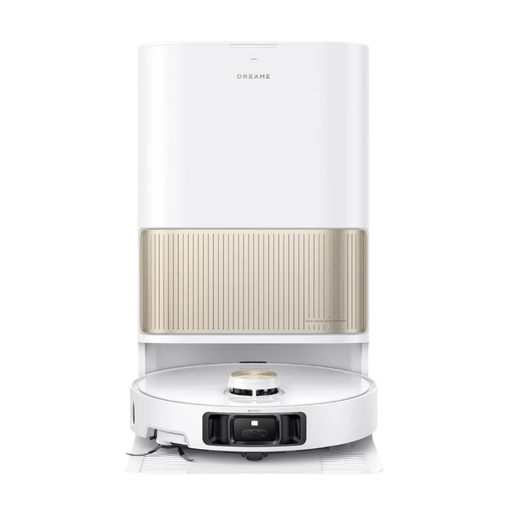
Why this model stands out: The DREAME L40S Pro Ultra combines very high suction power with an advanced cleaning station. Its ability to cross thresholds up to 40 mm makes it particularly interesting for homes with varying floor heights.
Benefits (based on manufacturer specifications):
Who is this model for? This model is an option for households with mixed flooring (hard floors and carpets) and higher thresholds, who desire high suction power and minimal maintenance.
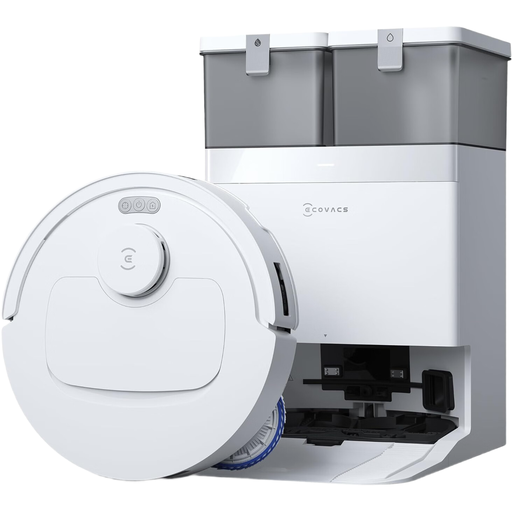
Why this model stands out: The ECOVACS DEEBOT T30C Omni places a special focus on hair removal and edge cleaning. The combination of high suction power and special anti-tangle technologies makes it an interesting choice for pet owners.
Benefits (based on manufacturer specifications):
Who is this model for? Ideal for pet owners and households where long hair is a challenge. Users who place a high value on clean edges will find a suitable technical solution here.
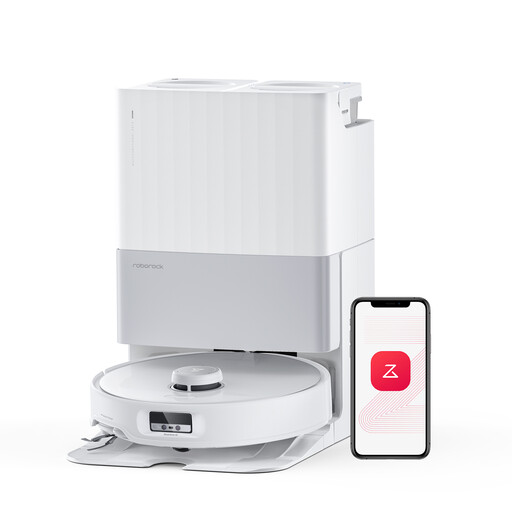
Why this model stands out: With its FlexiArm Design, the Roborock Qrevo Edge specifically addresses a typical weakness of robot vacuums: cleaning corners and edges. The extendable mop ensures complete wet cleaning. In direct comparison to models like the one from Dreame, the focus here is less on pure climbing ability and more on detailed cleaning at the edges.
Benefits (based on manufacturer specifications):
Who is this model for? This device is aimed at users for whom a flawless clean right into the last corner is a priority. Anyone looking for intuitive operation and an effective solution for edge cleaning should consider this model.
The models presented here represent the current state of the art in fully automated floor cleaning. If you wish to explore other designs, specific colour options, or different feature combinations, you can find a broader selection in our category.
? Discover more White Robot Cleaner models here.
Maintenance intervals depend heavily on the frequency of use and the level of dirt. Typically, the dust bag in the station needs to be replaced every 4 to 8 weeks. The fresh and dirty water tanks should be emptied or refilled after every one or two cleaning cycles, depending on the cleaning area. Occasional cleaning of the station itself is also recommended to maintain its functionality.
Yes, high suction power, measured in Pascals (Pa), is an important factor for effectively removing pet hair from carpets and hard floors. However, the design of the brush roll is at least as crucial. Models with bristle-less rubber rollers are often more suitable, as hair is less likely to get wrapped around them, which simplifies maintenance.
With hot-water mop washing, the cleaning station heats the water to a high temperature (e.g., 75°C) before cleaning the robot's mopping pads with it. The hot water helps to dissolve greasy residues and dried-on stains more effectively than cold water. This process contributes to a more hygienic cleaning of the mops and is usually supplemented by a subsequent hot-air drying cycle to prevent odours.