
Lieferung heute & morgen

Qualitätsgarantie

Willkommens-Angebote freischalten: KOSTENLOSE Lieferung | Bis zu 80 % RABATT | Kostenlose 30-Tage-JoyPlus-Testphase
App herunterladen
The idea is tempting: a robot that not only vacuums but also mops and then cleans itself. A robot vacuum with a mopping function and a self-cleaning station promises just that—the ultimate level of household autonomy. However, the market is flooded with marketing claims that often fail to deliver in practice. Many devices turn out to be expensive purchases with hidden flaws that negate the convenience you were hoping for.
As your Joybuy Product Recommendation Officer, I'll help you identify the crucial features and avoid common purchasing traps. We will focus on the technical facts that truly matter, enabling you to make an informed decision.
Before we explore the solutions, it's important to understand the most frequent problems that only become apparent after you've bought the device.
To avoid the problems mentioned above, you should focus on three core technical areas. These define the performance and true degree of automation of a modern device.
An advanced robot mop with a cleaning station is the heart of an autonomous system. Look for the following features that go beyond simply emptying dust:
Cleaning performance along edges and on specific messes like pet hair depends directly on the mechanical design.
Modern robot vacuums use a combination of LiDAR laser navigation and AI-powered camera recognition. This not only enables efficient and systematic cleaning but also allows for the reliable detection and avoidance of obstacles like shoes, cables, or toys. The result is a seamless cleaning process without constant manual intervention.
Based on the objective criteria above, we have identified several models that represent a suitable solution for different user profiles.
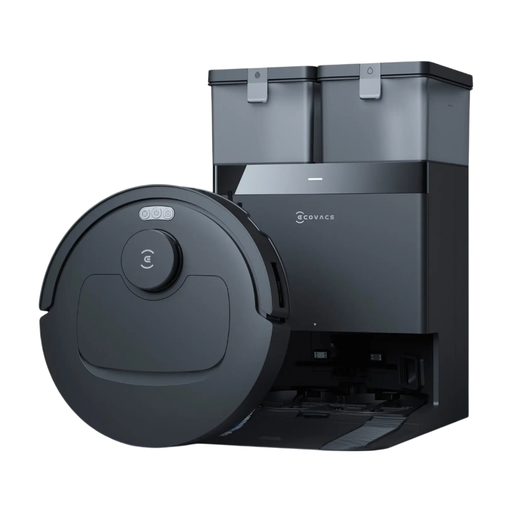
Why This Fits Their Persona: Ideal for busy families and pet owners who want a no-compromise, "set-it-and-forget-it" solution for large living spaces and who value maximum hygiene and cleaning performance.
The TruEdge 2.0 technology with its extendable mop solves the edge cleaning problem. The OMNI station with 75°C hot water mop washing and hot air drying prevents hygiene issues. The high suction power of 25,000 Pa and the anti-tangle brush are designed for pet hair.
The combination of extremely high suction power, advanced edge cleaning, and a fully automatic station with hot water technology offers the highest level of cleaning quality and convenience.
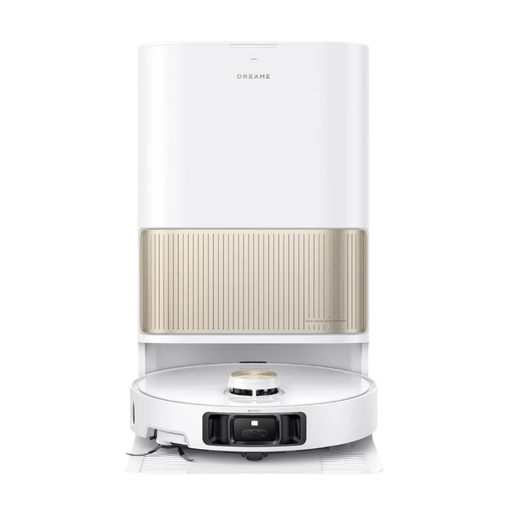
Why This Fits Their Persona: Suitable for users in homes with lots of furniture, multiple rooms, and different floor types who prioritise precise navigation and reliable obstacle avoidance.
The AI Pathfinder Navigation with laser and vision sensors ensures reliable cleaning without getting stuck. The station with 75°C mop washing and the HyperStream DuoBrush system effectively address hygiene and pet hair issues.
Its strength lies in its intelligent navigation, which works reliably even in complex environments. The high climbing ability of up to 40 mm makes it easy to cross thresholds and move onto carpets.
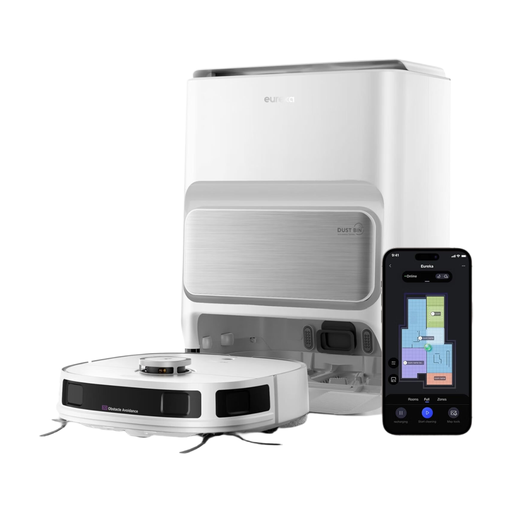
Why This Fits Their Persona: For users who want the core benefits of a fully automatic station (emptying, washing, drying) but don't need the absolute maximum suction power or the very latest edge-cleaning technology.
The all-in-one station with automatic mop cleaning and 55°C hot air drying solves the central hygiene problem. Self-emptying for up to 75 days offers a high convenience factor, and 3D obstacle avoidance prevents it from getting stuck.
Offers a comprehensive automation package with washing, drying, and emptying at an accessible price point. The solid 5000 Pa suction power is sufficient for most households with hard floors and low-pile carpets.
We have compiled a complete, real-time updated list of products that fully meet these strict selection criteria and safety regulations.
1. How often does the auto-empty station of a robot vacuum need to be emptied? The frequency depends on the size of your living area, the amount of dirt (e.g., from pets), and the specific model. Many modern stations use dust bags with a capacity of 3 to 4 litres, which is enough for 60 to 75 days of autonomous operation in an average household before the bag needs to be replaced.
2. Is hot water mop washing really necessary? It's not strictly necessary, but it offers significant hygienic advantages. Hot water (often between 55°C and 75°C) dissolves greasy and dried-on stains more effectively than cold water. It also demonstrably reduces the germ load on the mop pads, which helps prevent odours and maintain a hygienic cleaning system.
3. Do robot vacuums with mopping functions also work well on carpets? Yes, high-quality models are designed for this. They feature ultrasonic carpet detection. When the robot approaches a carpet, it automatically lifts its mop pads to avoid getting the carpet wet. At the same time, many devices increase their suction power in this mode to ensure a deep clean of the carpet fibres.