
Lieferung heute & morgen

Qualitätsgarantie

Willkommens-Angebote freischalten: KOSTENLOSE Lieferung | Bis zu 80 % RABATT | Kostenlose 30-Tage-JoyPlus-Testphase
App herunterladen
The search for an efficient, time-saving floor cleaning solution leads many to modern home assistants. A robot vacuum and mop with a cleaning station promises a high degree of autonomy. It not only vacuums and mops but also handles its own maintenance, such as emptying the dustbin and cleaning its mops. However, given the vast array of models and technologies on the market, making a choice can be complex.
This article serves as your guide. It highlights the key features of current robot vacuums and mops and presents a selection of models suited for different needs based on their specific functions.
To make an informed decision, it's helpful to understand a few technical aspects and their practical benefits. The following points are particularly relevant when choosing a fully automated robot vacuum and mop.
The station is the heart of the automation. While a basic robot vacuum with an auto-empty dock only empties the robot's dustbin, modern all-in-one systems offer significantly more:
A good robot must be able to adapt to different floor types. Pay attention to the following features:
Modern robots navigate using laser (LiDAR) or camera systems. Precise mapping is the foundation for efficient cleaning routes. Especially in homes with pets or children, advanced AI-powered obstacle avoidance is crucial for reliably detecting and navigating around cables, shoes, or other small objects.
Based on the criteria mentioned, we have compiled a selection of models that stand out for their technological features and degree of automation.

Why this model stands out: The DEEBOT X9 PRO Omni is distinguished by its square-shaped design and TruEdge 2.0 technology. The mop can dynamically adapt to edges for a more thorough clean in corners and along baseboards. The OZMO Roller is a continuously self-cleaning roller mop that ensures consistent cleaning performance.
Pros:
Who is it for? This model is an excellent choice for homes with many corners and edges where a complete, edge-to-edge clean is desired. Its high suction power and anti-tangle technology also make it appealing for pet owners.
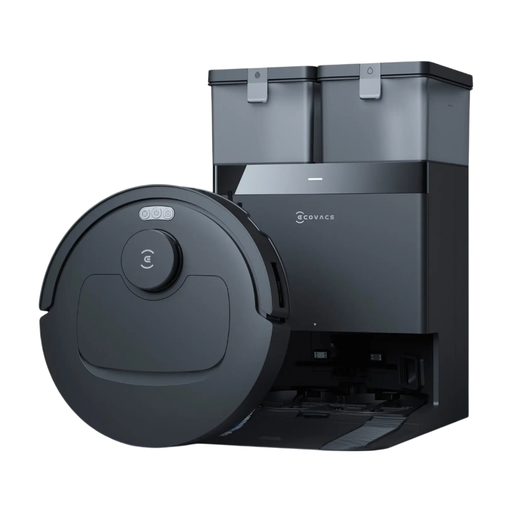
Why this model stands out: The Deebot T30C OMNI Gen2 sets a remarkable standard with a suction power of 25,000 Pa, making it especially suited for deep-cleaning carpets. The TruEdge 2.0 technology with an extendable mop also ensures improved edge cleaning.
Pros:
Who is it for? Ideal for demanding households with a mix of carpet and hard floors. The extremely high suction power makes it a top option for owners of pets that shed heavily, as well as for allergy sufferers who want maximum dust removal.
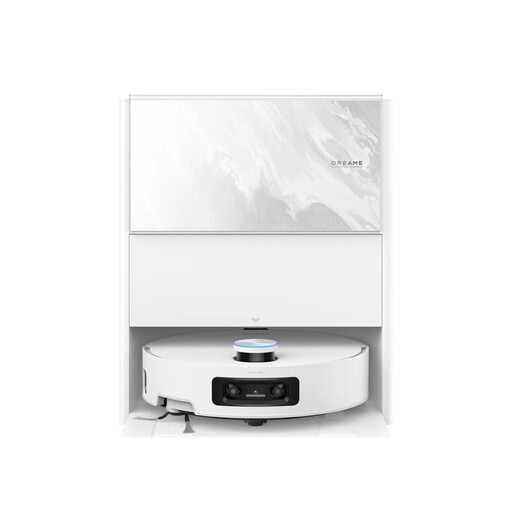
Why this model stands out: The Dreame Aqua10 Ultra Track Complete offers mop washing with 100°C hot water, enabling a high standard of hygiene. Its TrackSync mopping system continuously sprays 45°C warm water onto the cleaning path to effectively dissolve grease and stubborn stains. Another unique feature is its liftable chassis, which allows the robot to clear obstacles up to 6 cm high.
Pros:
Who is it for? This model is aimed at tech-savvy users who value maximum hygiene and smart automation. Its ability to clear high obstacles and clean under low furniture makes it particularly suitable for complex homes with varied furniture.
If these models don't quite meet your specific needs, you might find an alternative in our broader selection of cleaning solutions.
Discover more models in the Household Mops category
Hot water mop washing means the cleaning station heats water to a high temperature (e.g., 60°C, 75°C, or even 100°C) before cleaning the robot's mop pads. According to manufacturers, hot water can help dissolve oily and sticky messes more effectively than cold water and contributes to the hygiene of the mops.
Yes, modern models are designed for this. They feature carpet detection. When the robot detects a carpet, it automatically lifts its mop pads or plates to avoid getting the carpet wet. At the same time, it often increases suction power to remove deep-seated dirt from the fibres.
The maintenance is low, but not non-existent. Typically, you'll need to empty the dirty water tank and refill the clean water tank every few weeks. The dust bag in the station needs to be replaced approximately every 30 to 70 days, depending on your household size and the amount of dirt. The robot's app will usually notify you when maintenance is required.